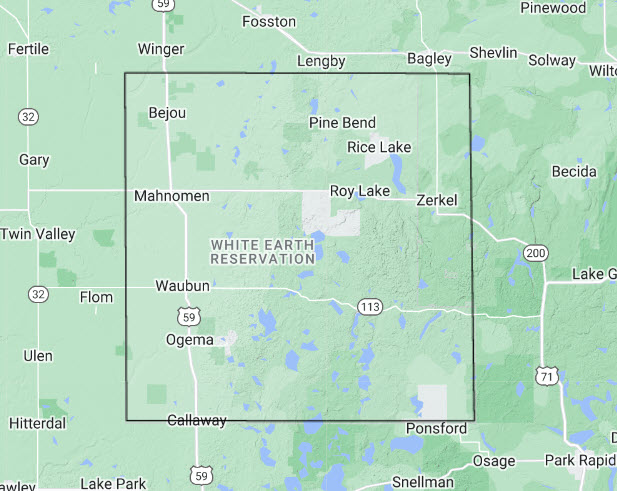
Nestled amidst the pristine lakes and ancient forests of northwestern Minnesota lies the White Earth Nation, a proud and sovereign Anishinaabe (Ojibwe) community. More than just a geographical location, White Earth represents a living testament to cultural preservation, enduring resilience, and a profound connection to the land.
This comprehensive guide invites you to delve into the multifaceted world of the White Earth Nation, exploring its deep historical roots, vibrant contemporary life, and unwavering commitment to a sustainable future for its people and the generations to come.
Understanding White Earth begins with acknowledging its place as a cornerstone of the Anishinaabe people, who have inhabited this region for centuries, cultivating a rich tapestry of traditions, language, and spiritual practices.
The Anishinaabe Legacy: A Rich History Rooted in Treaties and Resilience
The White Earth Reservation was established by the Treaty of 1867 between the United States government and the Mississippi Band of Anishinaabeg. This treaty promised a permanent homeland for several Ojibwe bands, intended to consolidate them onto a single reservation.
The name ‘White Earth’ itself, or Gaa-waabaabiganikaag in Ojibwemowin, refers to the unique white clay found in the area, which was traditionally used for sacred ceremonies and pipe making. It symbolizes the deep connection the people have to their ancestral lands.

However, the promise of a permanent homeland was soon undermined by federal policies. The General Allotment Act (Dawes Act) of 1887 fragmented tribal landholdings, allowing non-Native individuals to acquire vast portions of the reservation, severely diminishing the land base and impacting tribal sovereignty.
Despite these devastating historical challenges, including land loss, forced assimilation, and the suppression of cultural practices, the Anishinaabe people of White Earth demonstrated incredible strength and determination. Their efforts to reclaim land, language, and cultural identity continue to this day, showcasing a powerful story of survival and revival.
Geography and Landscape: The Jewel of Northern Minnesota
The White Earth Reservation spans across parts of Becker, Mahnomen, and Clearwater counties in Minnesota. Its landscape is characterized by a breathtaking array of natural features: dense forests, rolling prairies, and over 1,000 pristine lakes and wetlands.
This diverse ecosystem is not merely scenic; it is central to the Anishinaabe way of life. The land provides essential resources, traditional medicines, and is integral to spiritual practices. The changing seasons dictate traditional activities, from maple sugaring in spring to wild rice harvesting in late summer.
One of the most significant natural resources, both culturally and economically, is Manoomin, or wild rice. White Earth is home to some of the most productive natural wild rice beds in the world. Harvesting Manoomin is a sacred tradition, a communal event that reinforces cultural identity and provides sustenance.
The reservation’s commitment to environmental stewardship reflects this deep reverence for the land and its resources, ensuring their preservation for future generations.
Culture and Traditions: Preserving the Anishinaabe Way of Life
The heart of the White Earth Nation beats with the vibrant rhythms of Anishinaabe culture. Efforts to revitalize and preserve the Ojibwemowin language are paramount, with language immersion programs, classes, and cultural events aimed at teaching both youth and adults.

Traditional ceremonies, such as powwows, pipe ceremonies, and naming ceremonies, play a vital role in community life, fostering spiritual connection and cultural continuity. These gatherings are opportunities for celebration, storytelling, and the sharing of ancestral wisdom.
Art forms like beadwork, quillwork, basket weaving, and traditional music are not just crafts; they are expressions of identity, history, and spiritual belief. The White Earth Nation actively supports artists and cultural practitioners, ensuring these traditions thrive.
The role of elders as knowledge keepers is deeply respected, and intergenerational learning is a cornerstone of cultural transmission, ensuring that the rich heritage of the Anishinaabe people is passed down effectively.
Governance and Sovereignty: A Nation Within a Nation
As a federally recognized sovereign nation, White Earth operates its own distinct government, exercising self-determination over its internal affairs. The tribal government is structured with a Tribal Council, responsible for legislative and executive functions, representing the voice and will of its people.
This sovereignty allows White Earth to manage its own judicial system, law enforcement, education, healthcare, and economic development initiatives, tailoring services to meet the specific needs and cultural values of its community members.
The relationship between the White Earth Nation and federal and state governments is complex, often involving negotiations over treaty rights, land jurisdiction, and resource management. The Nation consistently advocates for its inherent rights and the well-being of its citizens.
Exercising sovereignty means building a future defined by the Anishinaabe people themselves, free from external impositions, and rooted in their own cultural principles of self-reliance and community welfare.
Economic Development: Building a Sustainable Future for All
White Earth Nation has made significant strides in economic development, creating diverse enterprises that generate revenue, employment, and opportunities for its members. These initiatives are designed to foster economic independence and community prosperity.
A cornerstone of the tribal economy is the hospitality sector, prominently featuring the Shooting Star Casino, Hotel and Event Center. This enterprise provides significant employment and revenue, which is then reinvested into essential tribal programs and services.
Beyond gaming, White Earth is actively engaged in sustainable agriculture, forestry, and natural resource management. Efforts include the sustainable harvesting of wild rice, timber operations, and promoting traditional farming practices.
The Nation is also a leader in renewable energy initiatives, exploring solar and wind power projects to reduce reliance on fossil fuels and promote environmental sustainability, aligning with ancestral values of caring for Mother Earth.
Support for small businesses and entrepreneurship within the community is another key focus, empowering tribal members to develop their own ventures and contribute to a diversified economy.
Education and Healthcare: Investing in Community Well-being
The White Earth Nation prioritizes the health and education of its people. Educational institutions, such as the White Earth Tribal and Community College (WETCC), offer culturally relevant curricula and higher education opportunities, blending academic rigor with Anishinaabe worldview.
WETCC plays a crucial role in preparing students for careers while also preserving and promoting Ojibwe language, history, and culture. Various K-12 initiatives also focus on culturally appropriate learning environments.
Healthcare services provided by the White Earth Health Department and Indian Health Service (IHS) facilities aim to address the unique health disparities faced by Native communities, offering comprehensive medical, dental, and behavioral health services.
Furthermore, the Nation integrates traditional healing practices alongside modern medicine, acknowledging the holistic approach to wellness deeply embedded in Anishinaabe culture. Public health programs focus on preventative care, nutrition, and addressing social determinants of health.
Environmental Stewardship: Protecting Sacred Lands and Waters
The White Earth Nation holds a profound responsibility to protect its natural environment. This commitment stems from the Anishinaabe worldview, which emphasizes interconnectedness and respect for all living things.
The tribal environmental department actively manages and conserves natural resources, focusing on water quality, forest health, wildlife preservation, and the protection of sacred wild rice beds from pollution and over-harvesting.
The Nation is at the forefront of advocating for environmental justice, addressing issues like climate change impacts on traditional food sources and advocating for responsible resource extraction in the region.
These stewardship efforts are not just about regulation; they are about upholding a spiritual duty to maintain balance and harmony with the natural world, ensuring that the land and its bounty remain for future generations.
Challenges and Triumphs: A Path Forward
Like many Indigenous nations, White Earth continues to grapple with the lasting impacts of historical trauma, including intergenerational poverty, health disparities, and the ongoing struggle for land recovery and jurisdictional clarity.
However, the story of White Earth is predominantly one of triumph and unwavering spirit. Through strong leadership, community engagement, and cultural revitalization, the Nation has achieved significant milestones in self-governance, economic development, and cultural preservation.
The resilience of the Anishinaabe people is evident in every aspect of White Earth life, from their vibrant cultural celebrations to their innovative economic ventures and their steadfast commitment to protecting their ancestral lands.
Visiting White Earth Nation: Experience and Respect
While the White Earth Nation is a sovereign entity, it welcomes visitors interested in learning about its culture and history. Respectful engagement is key to a meaningful experience.
Visitors can explore areas like the Shooting Star Casino, attend public powwows (with appropriate etiquette), and learn about the history and culture at various tribal facilities. Always remember that you are a guest on sovereign land.
- Always ask for permission before taking photos of individuals or during ceremonies.
- Be respectful of sacred sites and private property.
- Support tribal businesses and initiatives when possible.
- Educate yourself about Anishinaabe history and culture.
Conclusion: A Vibrant and Resilient Anishinaabe Future
The White Earth Nation stands as a powerful example of Indigenous sovereignty, cultural resilience, and progressive self-determination. From its deep historical roots and treaty origins to its modern economic and cultural resurgence, White Earth continues to thrive.
It is a community that honors its past, lives vibrantly in the present, and builds a sustainable future rooted in Anishinaabe values. Understanding and appreciating the White Earth Nation offers invaluable insights into Indigenous cultures and the ongoing journey of self-determination in North America.
We encourage you to explore further, learn more, and support the rich legacy and promising future of the White Earth Nation.


