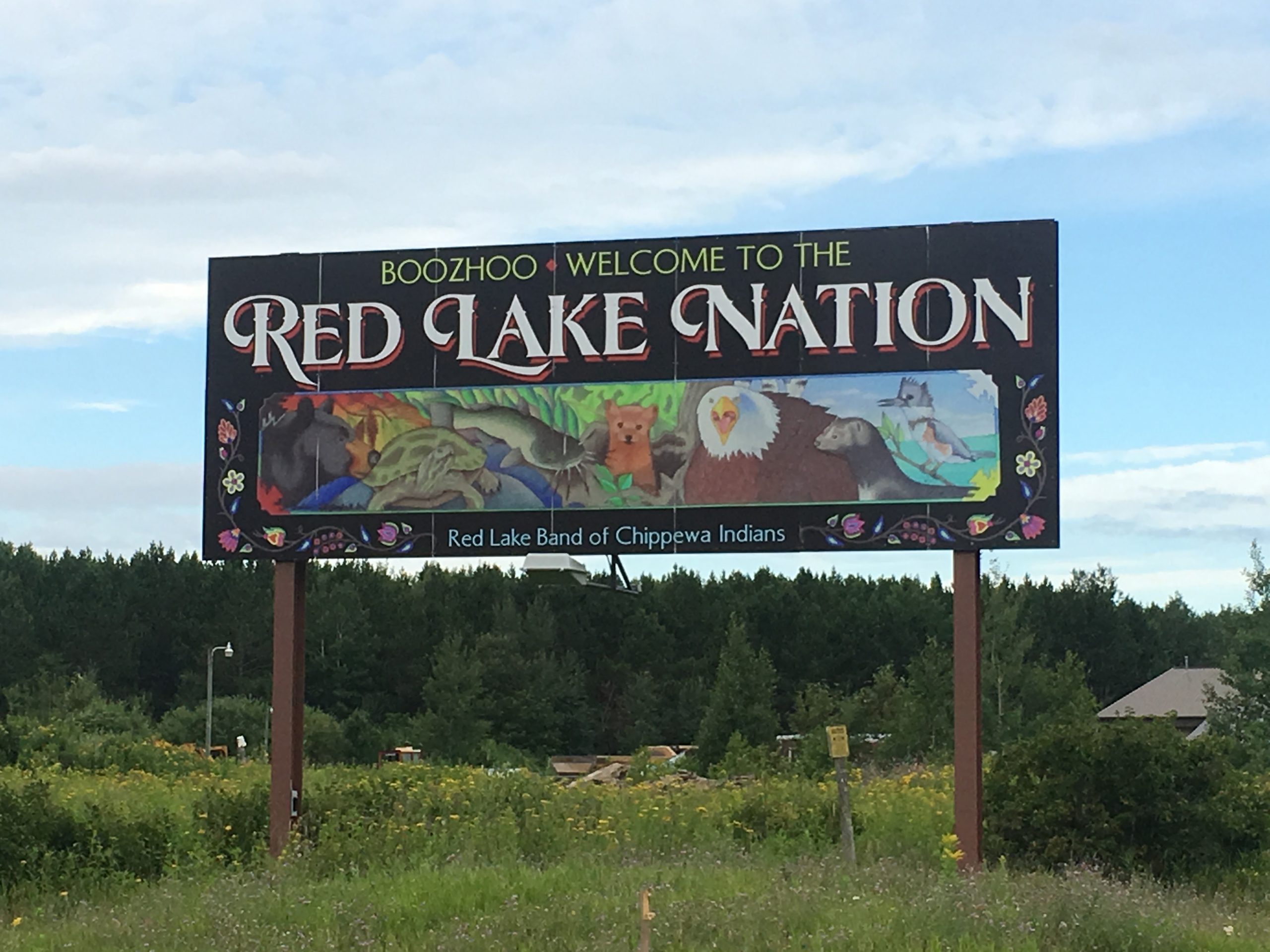
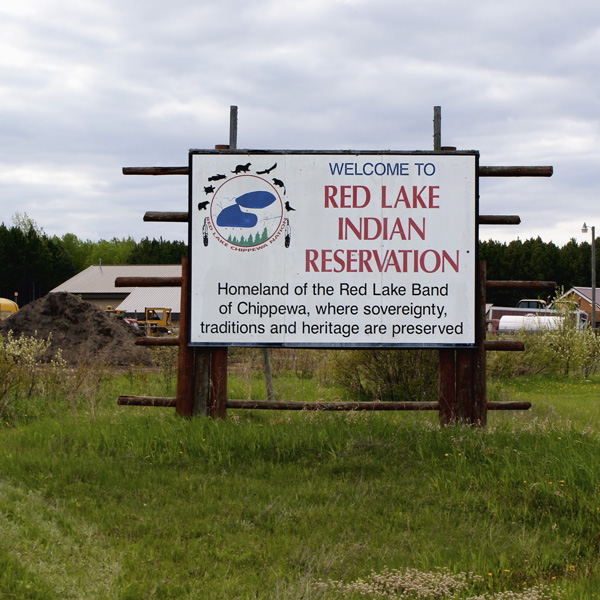
The Red Lake Nation Reservation, nestled in the pristine wilderness of northern Minnesota, stands as a powerful testament to Indigenous resilience, self-determination, and a vibrant cultural heritage. As one of the largest and most historically significant tribal nations in the United States, Red Lake offers a compelling narrative of sovereignty, community, and an enduring connection to the land and water.
Often referred to as the Red Lake Band of Chippewa Indians, the people of Red Lake are Anishinaabe (Ojibwe), with a proud lineage stretching back millennia. Their territory, encompassing Upper and Lower Red Lake, is not merely a geographic location but the heart of their identity, spirituality, and way of life.
This comprehensive guide aims to illuminate various facets of the Red Lake Nation, from its unique governance structure and profound history to its contemporary challenges and aspirations. We will delve into what makes this reservation distinct, addressing common questions and highlighting the unwavering spirit of its people.
The Genesis of a Nation: A Rich Historical Tapestry
The history of the Red Lake Nation is deeply intertwined with the vast North American continent itself. Long before European contact, the Anishinaabe people thrived in the Great Lakes region, utilizing their profound knowledge of the land for sustenance, medicine, and spiritual practices. Red Lake served as a central gathering place, abundant with wild rice, fish, and game.
The 19th century brought significant changes, marked by a series of treaties with the United States government. Unlike many other tribes, the Red Lake Nation never fully ceded its lands, maintaining a unique status regarding its reservation boundaries. This distinction is crucial to understanding its present-day sovereignty.
While other Ojibwe bands were consolidated onto smaller reservations, the Red Lake Anishinaabe steadfastly resisted complete land cessions. This historical fortitude laid the groundwork for their distinct sovereign status, an aspect that continues to define the nation today.
A Beacon of Sovereignty: Understanding Red Lake’s Unique Status
One of the most frequently asked questions about the Red Lake Nation is, "Is Red Lake a closed reservation?" The answer is yes, in a very specific and significant sense. Red Lake is unique among Minnesota’s 11 federally recognized tribes because it retained nearly all of its original land base and never opened its lands to individual allotment under the Dawes Act.
This means that all land within the Red Lake Reservation boundaries is held in common by the Red Lake Nation, rather than being privately owned by individual tribal members or non-members. This collective ownership reinforces tribal sovereignty and allows the Nation to maintain greater control over its resources and development.
This ‘closed’ status also implies that non-members generally cannot own land within the reservation, and there are specific rules and regulations governing entry and activities for non-tribal members. It is a powerful exercise of self-governance and a commitment to preserving their cultural and environmental heritage.
Geography and Natural Splendor: The Heart of Anishinaabemowin
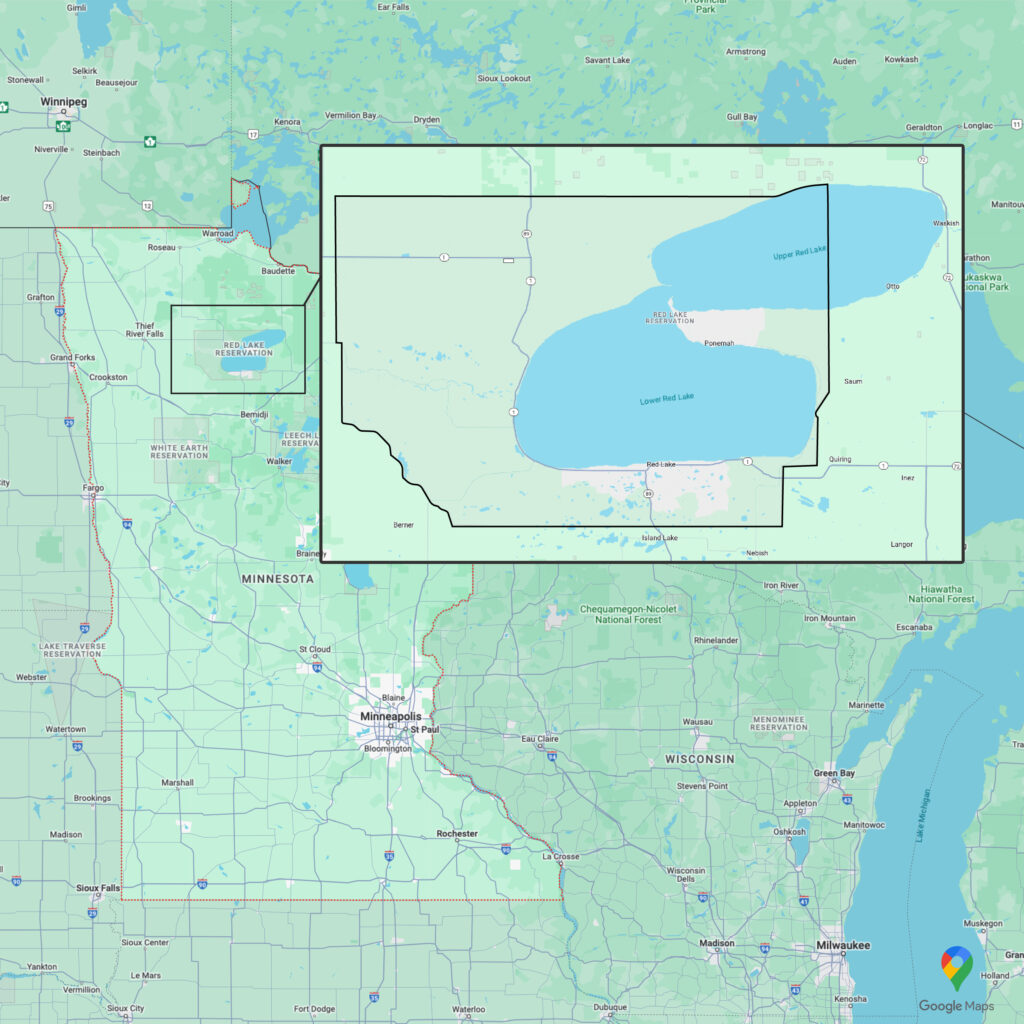
The Red Lake Nation Reservation spans approximately 837,000 acres, encompassing the entirety of Lower Red Lake and a significant portion of Upper Red Lake. These two interconnected bodies of water form the largest freshwater lake entirely within Minnesota, offering unparalleled natural beauty and vital ecological systems.
The surrounding landscape is a mosaic of dense forests, wetlands, and prairies, providing critical habitats for diverse wildlife, including moose, bear, wolves, and a myriad of bird species. This rich natural environment is not just a backdrop; it is integral to the Anishinaabe identity and their traditional practices of hunting, fishing, and gathering.
The management of these natural resources, particularly the vast fishery of Red Lake, is a testament to the Nation’s commitment to sustainable practices. Tribal members have exclusive fishing rights on the lake, which is carefully managed to ensure the long-term health of the walleye population, a critical economic and cultural resource.
Cultural Resilience: Preserving Anishinaabe Traditions
The Red Lake Nation is a vibrant hub of Anishinaabe culture. Efforts to preserve and revitalize the Ojibwe language (Anishinaabemowin) are paramount, with language immersion programs and cultural teachings integrated into community life and schools.
Traditional ceremonies, storytelling, drumming, and dance remain vital components of community gatherings, connecting younger generations to their ancestral roots. The arts, including beadwork, quillwork, and birch bark crafts, continue to thrive, reflecting the deep artistic heritage of the Anishinaabe people.
The spiritual connection to the land and water is profound. The drum, sacred pipes, and the teachings of the Seven Grandfathers guide daily life and community decisions, reinforcing values of respect, wisdom, courage, honesty, humility, love, and truth.
Governance and Community Structure
The Red Lake Nation operates under its own constitution and a democratically elected tribal government. The Tribal Council, led by a Chairman, Secretary, and Treasurer, along with district representatives, makes decisions on behalf of the Nation, overseeing various departments and initiatives.
This self-governance extends to law enforcement, judicial systems, and the provision of essential services to its members. The Red Lake Nation exercises jurisdiction over its territory and tribal members, a fundamental aspect of its sovereignty.
Economic Development and Future Aspirations
Like many tribal nations, Red Lake faces economic challenges but has made significant strides in fostering sustainable economic development. Key tribal enterprises include the Red Lake Gaming Enterprises (casinos), Red Lake Inc. (diversified businesses), and various ventures related to natural resource management, such as forestry and fisheries.
The walleye fishery on Red Lake is not only culturally significant but also a major economic driver, providing employment and income for many tribal families. The Nation also invests in infrastructure, housing, and job training programs to improve the quality of life for its members.
Future aspirations include expanding educational opportunities, enhancing healthcare services, and continuing to diversify their economy while maintaining environmental stewardship. The Red Lake Nation is committed to creating a prosperous and healthy future for its people, guided by traditional values.
Education and Healthcare: Investing in the Future
The Red Lake Nation places a strong emphasis on education. The reservation hosts several schools, including elementary, middle, and high schools, often incorporating Anishinaabe language and culture into the curriculum. Efforts are also underway to support tribal members pursuing higher education.
Healthcare services are provided through the Indian Health Service (IHS) and tribally run clinics, focusing on comprehensive care for the community. Addressing health disparities and promoting wellness through traditional and contemporary approaches remains a priority.
Visiting the Red Lake Nation: Respectful Engagement
While Red Lake is a ‘closed’ reservation, respectful visitors are generally welcome for specific purposes, such as visiting tribal enterprises, attending public events, or with proper permissions. It is crucial for visitors to understand and respect the Nation’s sovereignty, customs, and laws.
Engaging with the Red Lake Nation requires an appreciation for their unique history and cultural protocols. Always seek permission before photographing individuals or participating in ceremonies, and adhere to any posted guidelines or requests from tribal authorities.
Key Takeaways: The Enduring Spirit of Red Lake
The Red Lake Nation Reservation is far more than just a geographical area in Minnesota; it is a living, breathing testament to the enduring strength, resilience, and cultural richness of the Anishinaabe people. Its unique status as a ‘closed’ reservation underscores a powerful commitment to sovereignty and self-determination.
From its profound historical roots and vibrant cultural traditions to its forward-looking economic development and community initiatives, Red Lake continues to thrive. It stands as a powerful example of a nation that has navigated immense challenges while steadfastly preserving its identity and charting its own course for the future.
Understanding the Red Lake Nation means acknowledging a legacy of fortitude, celebrating a vibrant present, and recognizing a future built on the foundational principles of Anishinaabe values and unwavering sovereignty. It is a story of a people deeply connected to their land, their culture, and their collective destiny.


