
The Lower Brule Sioux Tribe Reservation, located in South Dakota, is a vibrant community with a rich history and culture. This comprehensive guide explores the various facets of the reservation, providing insights into its past, present, and future. From its historical roots and cultural traditions to its modern governance and economic development, we delve into what makes the Lower Brule Sioux Tribe Reservation a unique and important part of the American landscape.
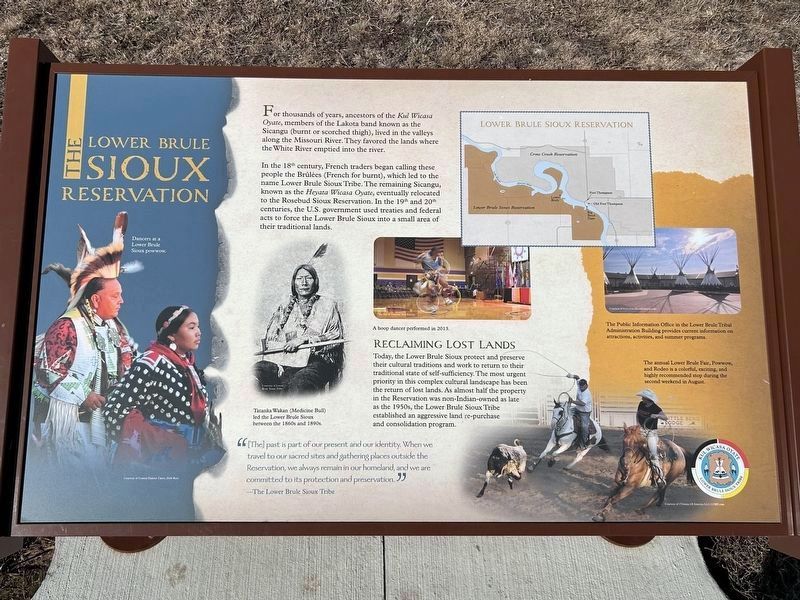
The Lower Brule Sioux Tribe, also known as the Kul Wicasa Oyate, are a federally recognized tribe of the Lakota people. Their reservation lies on the west bank of the Missouri River in central South Dakota. Understanding their history is crucial to appreciating their present-day culture and governance.
The history of the Lower Brule Sioux Tribe is deeply intertwined with the land they inhabit. Originally part of a larger Sioux nation, they eventually settled along the Missouri River. Their traditional way of life revolved around hunting, farming, and fishing.
The 19th century brought significant changes with the arrival of European settlers and the U.S. government’s policies of westward expansion. The Fort Laramie Treaty of 1851 and subsequent treaties aimed to define tribal lands and maintain peace, but these agreements were often violated, leading to conflict and displacement.
The construction of the Big Bend Dam on the Missouri River in the 1960s had a profound impact on the Lower Brule Sioux Tribe. The dam flooded significant portions of their reservation, displacing families and disrupting their traditional way of life. This event remains a significant point of contention and a reminder of the challenges faced by the tribe.
Despite the hardships, the Lower Brule Sioux Tribe has persevered, maintaining their cultural identity and working towards self-determination. Today, they are actively involved in preserving their language, traditions, and history for future generations.
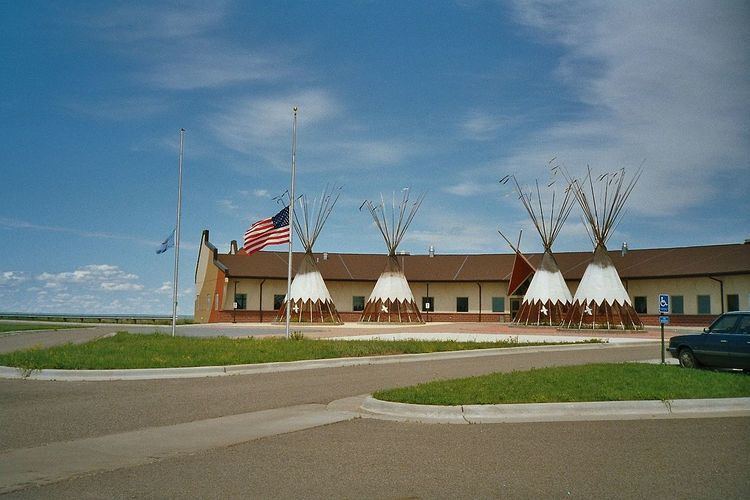
Culture is at the heart of the Lower Brule Sioux Tribe. Their traditions, beliefs, and values are passed down through generations, shaping their identity and community.
The Lakota language is a vital part of their cultural heritage. Efforts are underway to revitalize the language through educational programs and community initiatives. Storytelling, traditional songs, and ceremonies play a crucial role in preserving and transmitting cultural knowledge.
Traditional arts and crafts, such as beadwork, quillwork, and pottery, are still practiced today. These art forms not only showcase the tribe’s artistic talent but also serve as a means of cultural expression and economic opportunity.
Ceremonies and powwows are important social and spiritual events. These gatherings provide opportunities for community members to come together, celebrate their heritage, and honor their ancestors. The annual Lower Brule Sioux Tribe Fair and Powwow is a major event that attracts visitors from across the region.
The Lower Brule Sioux Tribe operates under a tribal government, exercising its sovereignty and managing its affairs. Understanding the structure and functions of this government is essential to understanding the tribe’s self-determination.
The tribal government consists of an elected tribal council, which is responsible for making laws, managing tribal resources, and representing the tribe in negotiations with the federal government and other entities. The tribal chairman serves as the chief executive officer of the tribe.
The tribe has established various departments and agencies to provide essential services to its members, including healthcare, education, housing, and social services. These programs are designed to improve the quality of life for tribal members and promote self-sufficiency.
The Lower Brule Sioux Tribe actively engages in intergovernmental relations, working with federal, state, and local governments to address issues of mutual concern. They advocate for their rights and interests, ensuring that their voice is heard in policy-making decisions.
Economic development is a key priority for the Lower Brule Sioux Tribe. They are actively pursuing opportunities to create jobs, generate revenue, and improve the economic well-being of their community.
Agriculture and ranching have historically been important economic activities on the reservation. The tribe owns and operates agricultural enterprises, providing employment and contributing to the local economy. They also promote sustainable agricultural practices to protect the environment.
The tribe has invested in tourism and recreation, capitalizing on the natural beauty of the Missouri River and surrounding areas. Hunting, fishing, boating, and other outdoor activities attract visitors to the reservation, generating revenue for the tribe and local businesses.
The tribe operates the Golden Buffalo Casino and Resort, which provides employment opportunities and generates revenue for tribal programs and services. The casino is a significant economic driver for the reservation and the surrounding region.
Renewable energy development is also a growing sector for the Lower Brule Sioux Tribe. Wind energy projects and other renewable energy initiatives offer the potential to create jobs, reduce reliance on fossil fuels, and promote environmental sustainability.
The Lower Brule Sioux Tribe faces various challenges, including poverty, unemployment, and limited access to resources. However, they are actively working to address these challenges and create a brighter future for their community.
Education is a key priority for the tribe. They operate tribal schools and support tribal members in pursuing higher education. Investing in education is seen as a way to empower individuals and build a stronger community.
Healthcare is another critical area of focus. The tribe operates a health clinic that provides medical, dental, and behavioral health services to tribal members. They are also working to address health disparities and promote wellness.
The tribe is committed to preserving its cultural heritage and language. They support cultural programs and initiatives that promote Lakota language fluency and cultural awareness. Passing on their traditions to future generations is seen as essential to maintaining their identity.
The Lower Brule Sioux Tribe is actively involved in environmental stewardship. They are working to protect their natural resources, promote sustainable practices, and address the impacts of climate change. Protecting the environment is seen as essential to the long-term well-being of the tribe.
The future of the Lower Brule Sioux Tribe Reservation is one of hope and opportunity. By building on their strengths, addressing their challenges, and working together, they are creating a vibrant and sustainable community for future generations.
The tribe is committed to economic diversification, seeking out new opportunities to create jobs and generate revenue. They are exploring partnerships with businesses and other organizations to develop new industries and expand their economic base.
The tribe is also focused on strengthening its government and institutions. They are working to improve tribal governance, enhance tribal services, and advocate for their rights and interests. A strong and effective tribal government is seen as essential to self-determination.
The Lower Brule Sioux Tribe is dedicated to building a strong and healthy community. They are investing in education, healthcare, and other social services to improve the quality of life for tribal members. A healthy and educated community is seen as the foundation for a prosperous future.
In conclusion, the Lower Brule Sioux Tribe Reservation is a resilient and vibrant community with a rich history and culture. Despite facing numerous challenges, the tribe has persevered, maintaining its identity and working towards self-determination. Through cultural preservation, economic development, and strong governance, the Lower Brule Sioux Tribe is building a brighter future for its members and contributing to the diversity and richness of the American landscape.
Key takeaways include the importance of understanding the tribe’s history, appreciating their cultural traditions, recognizing their self-governance, supporting their economic development efforts, and acknowledging their ongoing challenges and triumphs. By learning about and engaging with the Lower Brule Sioux Tribe, we can foster greater understanding and respect for Native American communities and their contributions to our society.
What is the population of the Lower Brule Sioux Tribe? The tribe has approximately 1,600 enrolled members.
What is the main source of income for the tribe? The Golden Buffalo Casino and Resort is a major source of income, along with agriculture and tourism.
What language do they speak? The Lakota language is the traditional language, and efforts are underway to revitalize it.
How can I learn more about the Lower Brule Sioux Tribe? You can visit their official website, attend tribal events, and support their cultural programs.
The Lower Brule Sioux Tribe exemplifies resilience, cultural preservation, and self-determination. Their story is a testament to the strength and enduring spirit of Native American communities.
What are some cultural events held on the reservation? The annual Lower Brule Sioux Tribe Fair and Powwow is a major cultural event. Various ceremonies and traditional gatherings are also held throughout the year.
What types of recreational activities are available on the reservation? Hunting, fishing, boating, and other outdoor activities are popular, taking advantage of the Missouri River and surrounding natural areas.
How does the tribe address environmental concerns? The tribe actively engages in environmental stewardship, working to protect their natural resources and promote sustainable practices.
What educational opportunities are available for tribal members? The tribe operates tribal schools and supports tribal members in pursuing higher education through scholarships and other programs.
What is the role of the tribal council? The tribal council is responsible for making laws, managing tribal resources, and representing the tribe in negotiations with external entities.
.jpeg?w=200&resize=200,135&ssl=1 "Jobs Available On Indian Reservations")


