
Nestled in the picturesque Rio Grande Valley of Northern New Mexico, Ohkay Owingeh Pueblo stands as a powerful testament to enduring history, vibrant culture, and profound resilience. As one of the nineteen sovereign Pueblo nations in New Mexico, Ohkay Owingeh holds a unique and vital place in the tapestry of indigenous American heritage.
Often recognized for its historical significance, Ohkay Owingeh is not merely a destination but a living, breathing community that has maintained its traditions and identity for centuries. This comprehensive guide invites you to delve into the heart of Ohkay Owingeh, exploring its past, present, and the rich cultural fabric that defines it.
What is Ohkay Owingeh known for? Ohkay Owingeh is perhaps best known for its deep historical roots, its pivotal role in early Spanish colonial history, and its remarkable cultural continuity. It is also celebrated for its traditional Tewa language, its distinctive pottery, and its vibrant ceremonial dances that connect generations.
The ancestral lands of Ohkay Owingeh have been continuously inhabited for over a millennium. Archaeological evidence suggests settlement in the area dating back to 1200 CE, making it one of the oldest continuously occupied communities in North America. The Pueblo’s location, strategically positioned at the confluence of the Rio Grande and the Chama River, provided fertile grounds for agriculture and a vital hub for trade.
A Pivotal Meeting of Worlds: The Arrival of the Spanish The year 1598 marked a transformative moment for Ohkay Owingeh. It was here that Juan de Oñate established San Gabriel de Yunque-Yunque, the first Spanish capital in New Mexico, directly across the river from the Pueblo. This encounter, while initiating a period of immense change and challenge, also underscored the Pueblo’s central importance in the region.
For decades, the Pueblo people, including those of Ohkay Owingeh, endured Spanish colonial rule, including demands for tribute, forced labor, and attempts to suppress their spiritual practices. However, their spirit of resistance never waned.
The Pueblo Revolt of 1680 and Ohkay Owingeh’s Role Ohkay Owingeh played a crucial role in the meticulously planned and executed Pueblo Revolt of 1680. This historic uprising, led by Popé, a spiritual leader from Ohkay Owingeh (then known as San Juan Pueblo), united various Pueblo nations to successfully expel the Spanish from New Mexico for twelve years. It remains one of the most successful indigenous revolts against European colonization in North American history, showcasing the strength and unity of the Pueblo people.
The return of the Spanish in 1692 brought renewed challenges, but the experience of the Revolt had forged a deeper sense of identity and resilience among the Pueblos. Ohkay Owingeh continued to adapt, preserving its core cultural practices despite external pressures.
Reclaiming Identity: From San Juan Pueblo to Ohkay Owingeh For centuries, the Pueblo was known by the Spanish colonial name, San Juan Pueblo. However, in 2005, the community officially reclaimed its ancestral Tewa name, Ohkay Owingeh, meaning ‘Place of the Strong People.’ This significant act was a powerful assertion of cultural identity, sovereignty, and a return to their indigenous roots, reflecting a broader movement among Native American nations to restore traditional names and heritage.
The name change was not merely symbolic; it was a profound declaration of self-determination and a way to honor their ancestors and reinforce their cultural narrative for future generations. It emphasized the strength and enduring spirit that has characterized the Ohkay Owingeh people throughout their long history.
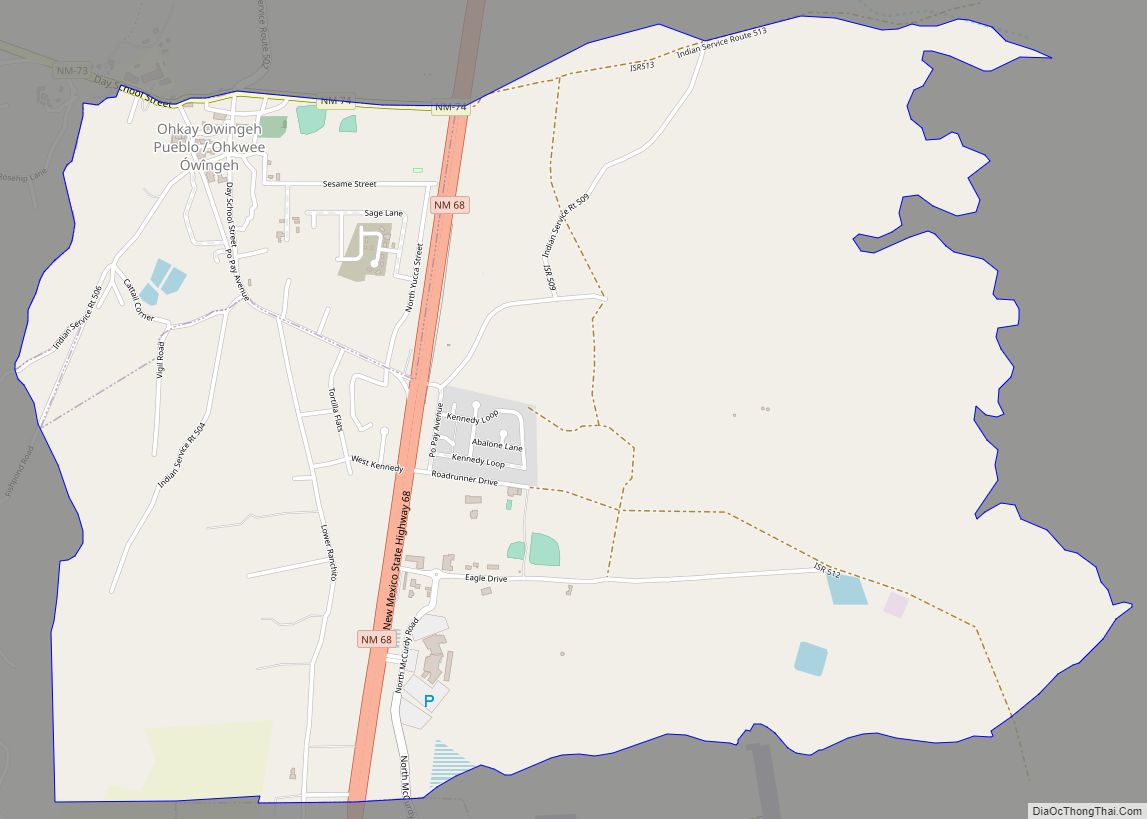
The landscape is characterized by high desert terrain, fertile river valleys, and a climate that experiences all four seasons. This geographical setting has deeply influenced the Pueblo’s agricultural practices, traditional architecture, and way of life.
The Heartbeat of the Pueblo: Culture and Traditions Ohkay Owingeh’s culture is rich and vibrant, deeply rooted in its Tewa language, spiritual beliefs, and communal practices. The Tewa language, part of the Tanoan language family, is actively spoken by many elders and is being revitalized among younger generations through language immersion programs.
Traditional dances and ceremonies are integral to Pueblo life. These events, often tied to seasonal cycles, agricultural harvests, and spiritual practices, are profound expressions of their worldview. While many ceremonies are private and not open to the public, some public dances offer visitors a respectful glimpse into their living traditions.
Art and Craftsmanship: A Legacy of Beauty and Skill Ohkay Owingeh is renowned for its distinctive pottery, characterized by its traditional redware and blackware, often featuring polished surfaces and intricate designs. Potters like Juanita Martinez and her descendants have carried on this art form for generations, blending ancestral techniques with contemporary expressions.
Beyond pottery, Ohkay Owingeh artists also excel in weaving, jewelry making, and painting, each art form telling a story of their land, history, and spiritual connection. Purchasing authentic Native American art directly from the Pueblo supports the artists and helps preserve these invaluable cultural traditions.

Governance and Community Life Ohkay Owingeh is a sovereign nation governed by a tribal council and a governor, elected annually. This traditional form of government works to uphold the welfare of its people, manage tribal resources, and preserve cultural heritage. The community is focused on economic development, educational opportunities, and providing essential services to its members.
Modern initiatives include establishing businesses, promoting tourism that respects cultural protocols, and investing in education and healthcare to ensure the well-being and prosperity of the Ohkay Owingeh people for generations to come.
Can you visit Ohkay Owingeh? Yes, visitors are generally welcome at Ohkay Owingeh Pueblo, but it is crucial to approach with respect and an understanding of cultural protocols. The Pueblo offers opportunities to experience its culture, primarily through its Ohkay Owingeh Arts & Crafts Cooperative and its annual events.
When visiting, remember that Ohkay Owingeh is a living community, not a museum. Always observe posted signs, respect private residences, and inquire about photography policies, as photography is often restricted, especially during sacred ceremonies. Engaging with local artists and artisans is a wonderful way to learn and support the community.
Annual Events and Public Gatherings Ohkay Owingeh hosts several annual events that may be open to the public, offering a chance to witness traditional dances and participate in cultural celebrations. The annual Feast Day, celebrated on June 24th in honor of St. John the Baptist, is a significant event featuring traditional dances and a vibrant atmosphere.
Other events, such as seasonal dances or arts and crafts markets, provide additional opportunities for respectful engagement. Always check the Pueblo’s official website or contact their cultural center for current event schedules and visitor guidelines before planning your visit.
Understanding Cultural Protocols: A Guide for Visitors
- Respect Privacy: Many areas within the Pueblo are private residences. Do not enter homes or private areas without an invitation.
- Photography: Always ask permission before taking photographs of people, buildings, or ceremonies. In many instances, photography is strictly prohibited, especially during dances.
- Dress Modestly: When attending public events or visiting sacred sites, dress respectfully.
- Silence: Maintain a quiet and respectful demeanor, particularly during dances and ceremonies.
- Do Not Litter: Help keep the Pueblo clean and beautiful.
- Support Local: Purchase art, crafts, and food directly from Pueblo members to support their economy.
The future of Ohkay Owingeh Pueblo is focused on balancing the preservation of its ancient traditions with the opportunities and challenges of the modern world. Efforts are ongoing to revitalize the Tewa language, engage youth in cultural practices, and develop sustainable economic ventures that benefit the community while honoring their heritage.
Cultural preservation initiatives include the Ohkay Owingeh Cultural Center, which serves as a repository of historical knowledge, a place for language instruction, and a venue for community gatherings. These efforts ensure that the ‘Place of the Strong People’ remains strong, vibrant, and culturally rich for generations to come.
Ohkay Owingeh Pueblo stands as a beacon of indigenous strength and continuity. From its ancient origins to its pivotal role in colonial history and its modern-day assertion of identity, the Pueblo embodies a profound legacy.
Visiting Ohkay Owingeh offers a unique opportunity to connect with a living culture, learn from its history, and appreciate the enduring spirit of its people. By approaching with respect and an open heart, visitors can gain a deeper understanding of the rich tapestry of Native American heritage in New Mexico.
The story of Ohkay Owingeh is a powerful reminder of resilience, cultural pride, and the importance of honoring ancestral lands and traditions. It is a place where history resonates, culture thrives, and the spirit of the strong people continues to inspire.


