
Nestled amidst the majestic mountains and sprawling mesas of Northern New Mexico lies the Jicarilla Apache Nation Reservation, a land steeped in ancient history and vibrant cultural traditions. More than just a geographical location, it is the heartland of a resilient people, a sovereign nation that has preserved its unique identity through centuries of change. This comprehensive guide invites you to delve into the profound legacy of the Jicarilla Apache, understanding their past, appreciating their present, and anticipating their future.
The Jicarilla Apache people, whose name is believed to derive from the Spanish word ‘jicarilla’ meaning ‘little basket’ – a nod to their renowned basketry – possess a history as rich and intricate as the patterns woven into their traditional crafts. Their story is one of adaptation, perseverance, and an unwavering connection to their ancestral lands.
A Glimpse into History: The Enduring Spirit of the Jicarilla Apache
The origins of the Jicarilla Apache trace back to the Athabaskan-speaking peoples who migrated south from what is now Alaska and Western Canada centuries ago. Unlike many of their Apache relatives who embraced a more nomadic, bison-hunting lifestyle, the Jicarilla often combined hunting and gathering with agricultural practices, cultivating corn, beans, and squash. This unique blend set them apart, earning them a reputation for resourcefulness and adaptability.
Early encounters with Spanish explorers in the 16th century marked a significant turning point. The Jicarilla skillfully navigated these new relationships, sometimes trading, sometimes resisting, always striving to maintain their autonomy. Their traditional territory spanned vast areas of what is now northern New Mexico, southern Colorado, and parts of Oklahoma and Texas, a testament to their expansive influence.
The 19th century brought increasing pressure from westward expansion in the United States. Despite numerous treaties and broken promises, the Jicarilla Apache fought fiercely to retain their lands and way of life. It was a period of immense hardship, marked by displacement and conflict, yet their spirit remained unbroken.
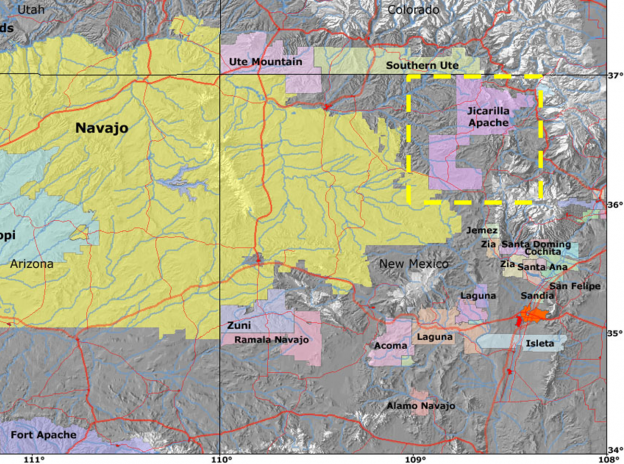
Finally, in 1887, President Grover Cleveland established the Jicarilla Apache Nation Reservation by Executive Order. This act formally recognized a portion of their ancestral lands, providing a permanent homeland and a foundation upon which to rebuild and thrive.
The Jicarilla Apache Nation Reservation is prominently situated in Northern New Mexico, primarily within Rio Arriba and Sandoval Counties. Its tribal headquarters and largest community, Dulce, New Mexico, serves as the vibrant administrative and cultural center of the nation. The reservation spans approximately 877,000 acres, a sprawling landscape of diverse ecosystems.
This high-altitude region boasts an elevation ranging from 6,500 to 9,000 feet above sea level, contributing to its dramatic scenery and distinct climate. Visitors will find themselves surrounded by pinyon-juniper woodlands, ponderosa pine forests, and picturesque mountain ranges, creating an ideal environment for outdoor enthusiasts and those seeking natural beauty.
Cultural Heritage: What is the Jicarilla Apache Nation Known For?
The Jicarilla Apache Nation is renowned for its rich cultural heritage, deeply rooted spiritual beliefs, and strong community bonds. They are celebrated for their intricate basketry, a tradition passed down through generations, showcasing exquisite craftsmanship and artistic expression. Beyond crafts, their culture is expressed through language, ceremonies, and a profound respect for the natural world.
The Jicarilla Apache people maintain a vibrant ceremonial life, with significant annual events that reinforce their cultural identity. The Gojiiya, or annual ‘Little Heaven’ Feast Day, held in September, is a major celebration featuring traditional dances, rodeos, and cultural performances, drawing both tribal members and respectful visitors.
The Jicarilla Apache Language: Preserving a Unique Voice
The Jicarilla Apache language, part of the extensive Athabaskan language family, is a vital component of the nation’s identity. While English is widely spoken, efforts are continuously made to preserve and revitalize the traditional language, ensuring it thrives for future generations. Programs in schools and community initiatives focus on teaching the language to youth, connecting them to their ancestral roots and oral traditions.
Governance and Self-Determination: A Modern Tribal Nation
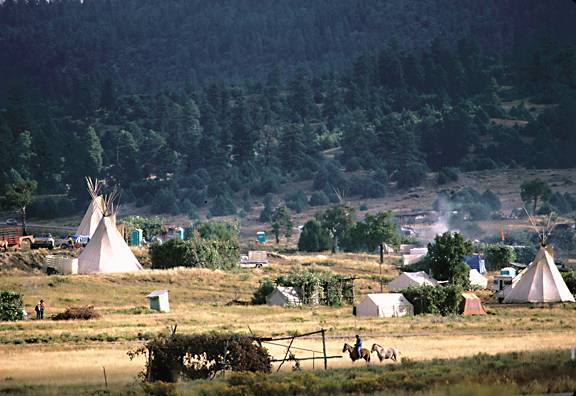
The Jicarilla Apache Nation operates as a sovereign government, exercising its inherent right to self-determination. The tribal government is led by an elected President, Vice-President, and Tribal Council, who oversee all aspects of reservation life, from economic development to health, education, and social services. This robust governance structure ensures that decisions are made by and for the Jicarilla people.
Economic Pillars: Sustaining a Sovereign Nation
The Jicarilla Apache Nation has achieved significant economic success, primarily through the responsible development of its natural resources. The reservation sits atop substantial oil and natural gas reserves, which have been strategically managed to create a strong economic foundation for the nation. This resource wealth has enabled the tribe to invest in infrastructure, social programs, and diverse economic ventures.
Beyond energy, the tribe has diversified its economy to ensure long-term sustainability. This includes ventures in tourism, gaming, and hospitality. The Apache Nugget Casino & Travel Center and the Apache Nugget Casino Hotel are key examples, providing employment opportunities and revenue that directly benefit the Jicarilla community.
Outdoor Adventures: What to Do on the Reservation
For visitors, the Jicarilla Apache Nation Reservation offers a wealth of outdoor recreational opportunities. Its pristine lakes and forests are a paradise for anglers and hunters.
- Fishing: Renowned for its excellent fishing, particularly at lakes such as Stone Lake and Dulce Lake, where rainbow trout, brown trout, and Kokanee salmon are abundant.
- Hunting: The Jicarilla Apache Game and Fish Department manages world-class hunting opportunities for big game like elk, deer, and bear, requiring special tribal permits.
- Camping and Hiking: Numerous areas offer scenic camping and hiking trails, allowing visitors to immerse themselves in the tranquility of the natural environment.
Respectful Tourism: Guidelines for Visitors
The Jicarilla Apache Nation welcomes visitors who come with respect and an open mind. It is crucial to remember that you are entering a sovereign nation with its own laws and cultural protocols.
- Always obtain necessary permits for fishing, hunting, and camping from the Jicarilla Apache Game and Fish Department.
- Respect private property and sacred sites.
- Photography may be restricted in certain areas or during ceremonies; always ask permission.
- Support local businesses and artists.
- Familiarize yourself with tribal regulations before your visit.
What is the population of the Jicarilla Apache Nation? The population of the Jicarilla Apache Nation is approximately 3,500 enrolled tribal members, with many residing on the reservation and in the surrounding communities.
How big is the Jicarilla Apache Reservation? The reservation encompasses approximately 877,000 acres, making it one of the larger tribal land bases in New Mexico.
What kind of climate can I expect? The climate is semi-arid with distinct seasons. Summers are warm with mild evenings, while winters are cold with significant snowfall. Due to its high elevation, temperatures can vary greatly between day and night.
Challenges and Triumphs: A History of Resilience
Like many Indigenous nations, the Jicarilla Apache have faced and continue to address significant challenges, including historical trauma, economic disparities, and the ongoing struggle to preserve cultural practices in a rapidly changing world. However, their history is predominantly one of triumph and resilience. Through strong leadership, cultural revitalization efforts, and strategic economic development, the Jicarilla Apache Nation continues to build a prosperous future for its people.
The nation’s commitment to education, healthcare, and infrastructure development is evident in the quality of life enjoyed by its members. They champion self-sufficiency and work diligently to ensure that their youth are equipped with the skills and knowledge to thrive in both traditional and modern contexts.
Cultural Preservation Efforts: Safeguarding the Future
The Jicarilla Apache Nation is deeply committed to cultural preservation. Programs are in place to ensure that the Jicarilla Apache language, traditional stories, ceremonies, and arts are passed down to younger generations. Elders play a crucial role in this transmission of knowledge, serving as living libraries of their people’s heritage. These efforts reinforce a strong sense of identity and pride among tribal members.
Conclusion: An Enduring Legacy of Strength and Culture
The Jicarilla Apache Nation Reservation stands as a powerful testament to the enduring spirit, profound cultural depth, and remarkable resilience of the Jicarilla Apache people. From their ancient origins to their modern-day sovereignty, they have navigated immense challenges with strength and determination, forging a vibrant community that honors its past while building a dynamic future.
Visiting the Jicarilla Apache Nation offers a unique opportunity to connect with a rich cultural tapestry, experience breathtaking natural beauty, and gain a deeper understanding of Indigenous life in North America. It is an experience that promises to be both informative and inspiring, leaving visitors with a profound appreciation for this remarkable nation.


