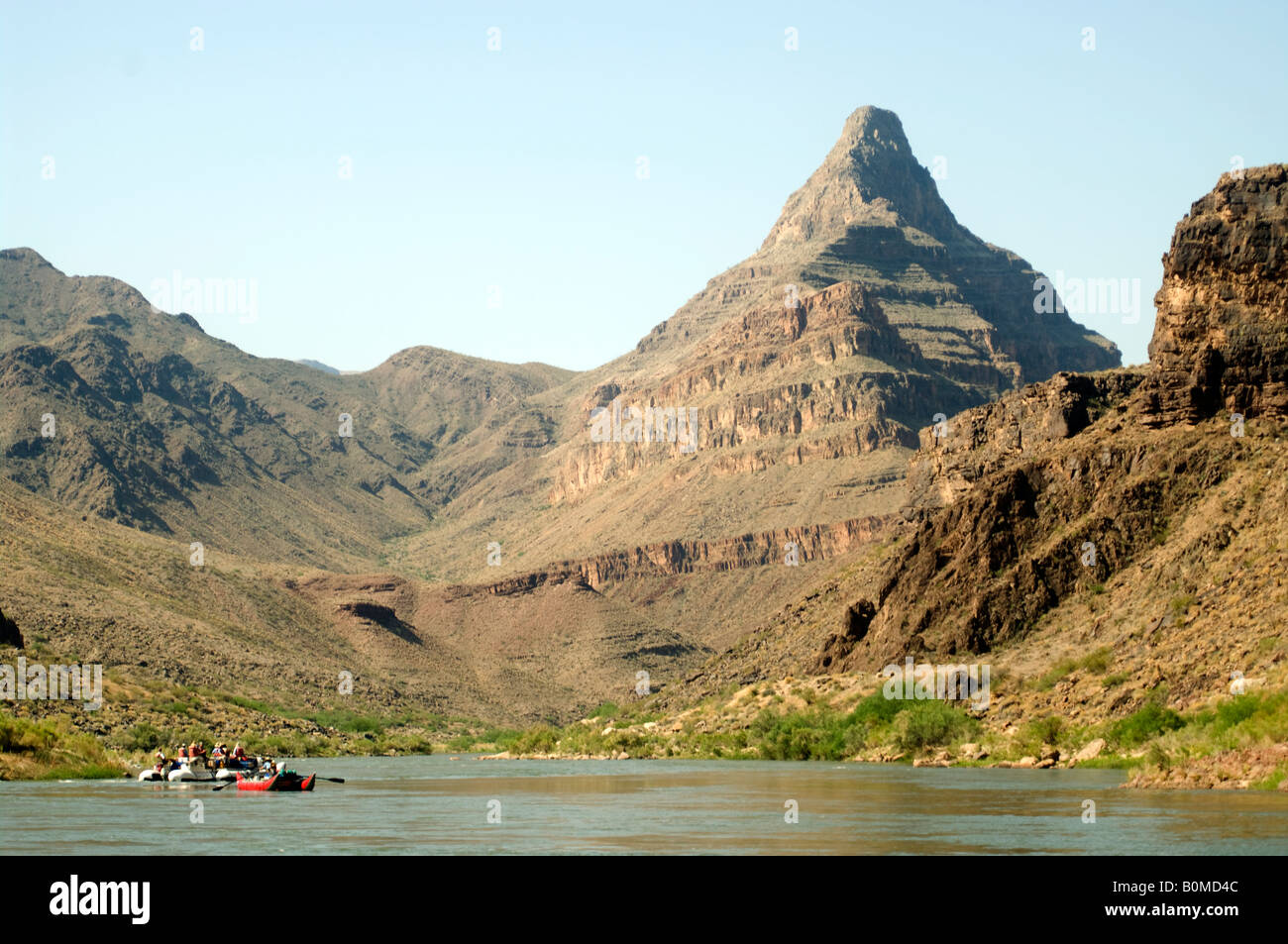
Nestled on the western edge of one of the world’s most iconic natural wonders, the Hualapai Indian Reservation offers a unique and breathtaking way to experience the Grand Canyon. Far from the more crowded South and North Rims, Grand Canyon West provides visitors with an intimate encounter with the canyon’s raw beauty, coupled with a deep dive into the rich cultural heritage of the Hualapai people.
This comprehensive guide will take you through everything you need to know about visiting the Hualapai Indian Reservation Grand Canyon, from its awe-inspiring attractions like the Skywalk to its vibrant cultural experiences and essential planning tips. Prepare to embark on an unforgettable journey.
The Hualapai Indian Reservation is located in northwestern Arizona, encompassing approximately one million acres along 108 miles of the Grand Canyon and Colorado River. Its main tourist hub, known as Grand Canyon West, is situated about a 2.5-hour drive east of Las Vegas, Nevada, and roughly 4 hours from Phoenix, Arizona. Unlike the Grand Canyon National Park, Grand Canyon West is owned and operated by the Hualapai Tribe, offering a distinct visitor experience.
The reservation’s capital is Peach Springs, Arizona, a small community on historic Route 66. From Peach Springs, visitors can access the more remote parts of the reservation, including the starting points for famous whitewater rafting trips on the Colorado River.
Discovering Grand Canyon West: The Main Attractions
Grand Canyon West is renowned for its specific viewpoints and attractions, all managed by the Hualapai Tribe. These sites offer panoramic vistas, unique adventures, and opportunities to learn about Hualapai traditions.
The Grand Canyon Skywalk: Walking on Air
Perhaps the most famous attraction at Grand Canyon West is the Grand Canyon Skywalk. This horseshoe-shaped, glass-bottomed bridge extends 70 feet out over the canyon rim, suspended 4,000 feet above the canyon floor. It offers an unparalleled, exhilarating perspective of the Grand Canyon, making you feel as though you’re literally walking on air.
Visitors are required to wear special shoe covers to protect the glass surface, and personal items like cameras and phones are not permitted on the Skywalk itself (professional photographers are available to capture your experience). This ensures the glass remains pristine and allows everyone to fully immerse themselves in the moment.
Eagle Point: Culture and Iconic Views
Named for a natural rock formation resembling an eagle with outstretched wings, Eagle Point is more than just a stunning viewpoint. It’s home to the Native American Cultural Village, where visitors can explore traditional Hualapai dwellings, witness cultural performances, and purchase authentic Hualapai crafts. It’s an essential stop for understanding the tribe’s history and way of life.
The views from Eagle Point are spectacular, offering a different perspective of the canyon’s vastness and the Colorado River winding far below. It’s also the primary access point for the Skywalk.
Guano Point: Panoramic Grandeur
For truly expansive, 360-degree views of the Grand Canyon, Guano Point is a must-visit. This rugged promontory provides some of the most dramatic vistas at Grand Canyon West, showcasing the canyon’s immense scale and intricate geology. A short, unpaved trail leads to the ‘Highpoint,’ offering even more breathtaking panoramas.
Guano Point also features the remnants of an old tramway system, a historical reminder of a guano mining operation from the 1950s. The ‘Guano Point Cafe’ offers a casual dining experience with incredible views, perfect for a lunch break.
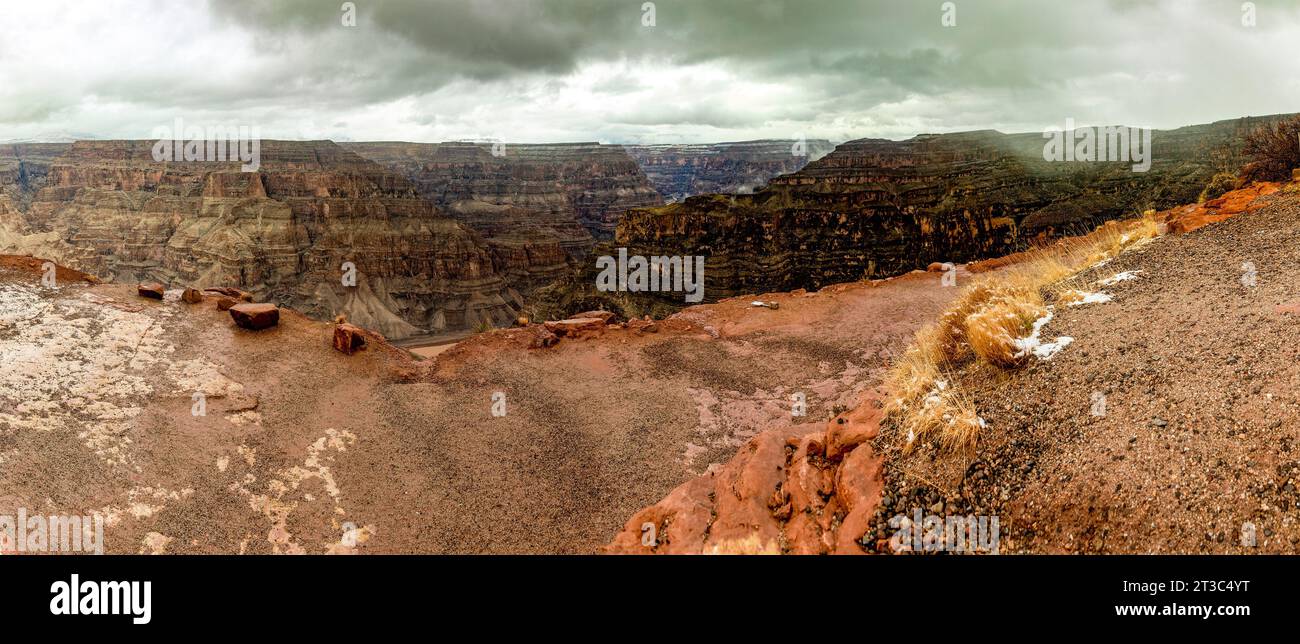
Hualapai Ranch: A Wild West Experience
The Hualapai Ranch provides a delightful Western-themed experience, especially popular with families. Here, you can enjoy wagon rides, horseback riding along the canyon rim, and cowboy entertainment. It also offers rustic cabin accommodations for those wishing to extend their stay and experience a night under the desert stars.
Colorado River Adventures: Whitewater Rafting and Pontoon Tours
For the truly adventurous, the Hualapai River Runners offer guided whitewater rafting trips down the Colorado River through the Grand Canyon. These excursions range from one-day to multi-day trips, providing an unparalleled perspective from the canyon floor. It’s an incredible way to experience the canyon’s power and serenity.
For a more serene river experience, pontoon boat tours are available from Quartermaster Point, offering a gentle cruise on the smooth waters of the Colorado River. These tours provide stunning views of the canyon walls rising thousands of feet above you, a truly humbling experience.
Understanding Hualapai Culture and History
The Hualapai people, whose name means ‘People of the Tall Pines,’ have lived in and around the Grand Canyon for centuries. Their deep connection to the land is evident in every aspect of the reservation experience. Visiting Grand Canyon West is not just about seeing the canyon; it’s about respecting and learning from the Hualapai Nation.
The Hualapai Cultural Center at Eagle Point and various interpretive signs throughout Grand Canyon West provide insights into their traditional stories, language, and the challenges and triumphs of their history. Supporting the Hualapai tourism ventures directly contributes to the economic well-being and cultural preservation efforts of the tribe.
Planning Your Visit to Grand Canyon West
Getting There: Transportation and Driving
Most visitors drive to Grand Canyon West. From Las Vegas, take US-93 South to Pierce Ferry Road, then follow the signs for Grand Canyon West. From Kingman, Arizona, take Stockton Hill Road to Pierce Ferry Road. Be aware that the last several miles to Grand Canyon West are on Indian Route 18, which is paved but can be winding. Once you arrive, you’ll park your vehicle and take a mandatory shuttle bus to access the various viewpoints.
Tickets and Packages: What to Expect
Entry to Grand Canyon West requires purchasing a Hualapai Legacy Day Pass. This pass includes shuttle service between the main points of interest (Eagle Point, Guano Point, and Hualapai Ranch). Additional attractions like the Skywalk, helicopter tours, or whitewater rafting require separate tickets or bundled packages.
It’s highly recommended to purchase tickets online in advance, especially during peak season, to save time and sometimes money. Various packages combine the Legacy Pass with Skywalk access, meals, or other activities.
Best Time to Visit
Spring (March-May) and Fall (September-November) offer the most pleasant weather, with moderate temperatures and fewer crowds than the peak summer months. Summers can be extremely hot, while winters can be chilly, though the canyon views are stunning with a dusting of snow.
Accommodation Options
While many visitors come for a day trip from Las Vegas, overnight stays are possible. The Hualapai Ranch offers rustic cabins, providing a unique overnight experience. Additionally, the Hualapai Lodge in Peach Springs offers comfortable hotel accommodations and serves as a gateway to the reservation.
Grand Canyon West vs. Grand Canyon National Park: Key Differences
- Ownership: West Rim is Hualapai Tribal land; National Park is federal land.
- Attractions: West Rim has the Skywalk, cultural village, ranch; National Park has wider, more traditional viewpoints.
- Access: West Rim has mandatory shuttle; National Park allows private vehicles to many points.
- Crowds: Generally fewer crowds at the West Rim compared to the South Rim of the National Park.
- Views: West Rim offers dramatic, often vertical drops; National Park offers vast, panoramic vistas.
- Activities: West Rim offers unique activities like Skywalk, zip-lining (at certain times), and accessible river tours.
Both offer incredible views, but the West Rim provides a more adventure-focused and culturally immersive experience.
Supporting the Hualapai Nation
Your visit to Grand Canyon West directly supports the Hualapai Tribe. Tourism is a vital source of income, enabling the tribe to fund essential services, preserve their language and traditions, and maintain their ancestral lands. By choosing to visit, you become a partner in their ongoing efforts to thrive and share their unique heritage with the world.
Is Grand Canyon West Worth It?
If you’re looking for an adventure that goes beyond just scenic overlooks and want to connect with the living history of the Grand Canyon, the Hualapai Indian Reservation at Grand Canyon West promises an unforgettable journey.
Conclusion: An Unforgettable Journey into Hualapai Lands
The Hualapai Indian Reservation at Grand Canyon West presents a truly distinctive way to witness the majesty of the Grand Canyon. From the thrilling heights of the Skywalk to the cultural richness of Eagle Point and the panoramic splendor of Guano Point, every aspect of your visit is designed to inspire awe and foster a deeper appreciation for this natural wonder and its indigenous caretakers. By choosing to explore this extraordinary destination, you not only create lasting memories but also contribute directly to the preservation of the Hualapai culture and their ancestral lands. Plan your visit today and experience the Grand Canyon through the eyes of the Hualapai Nation.


