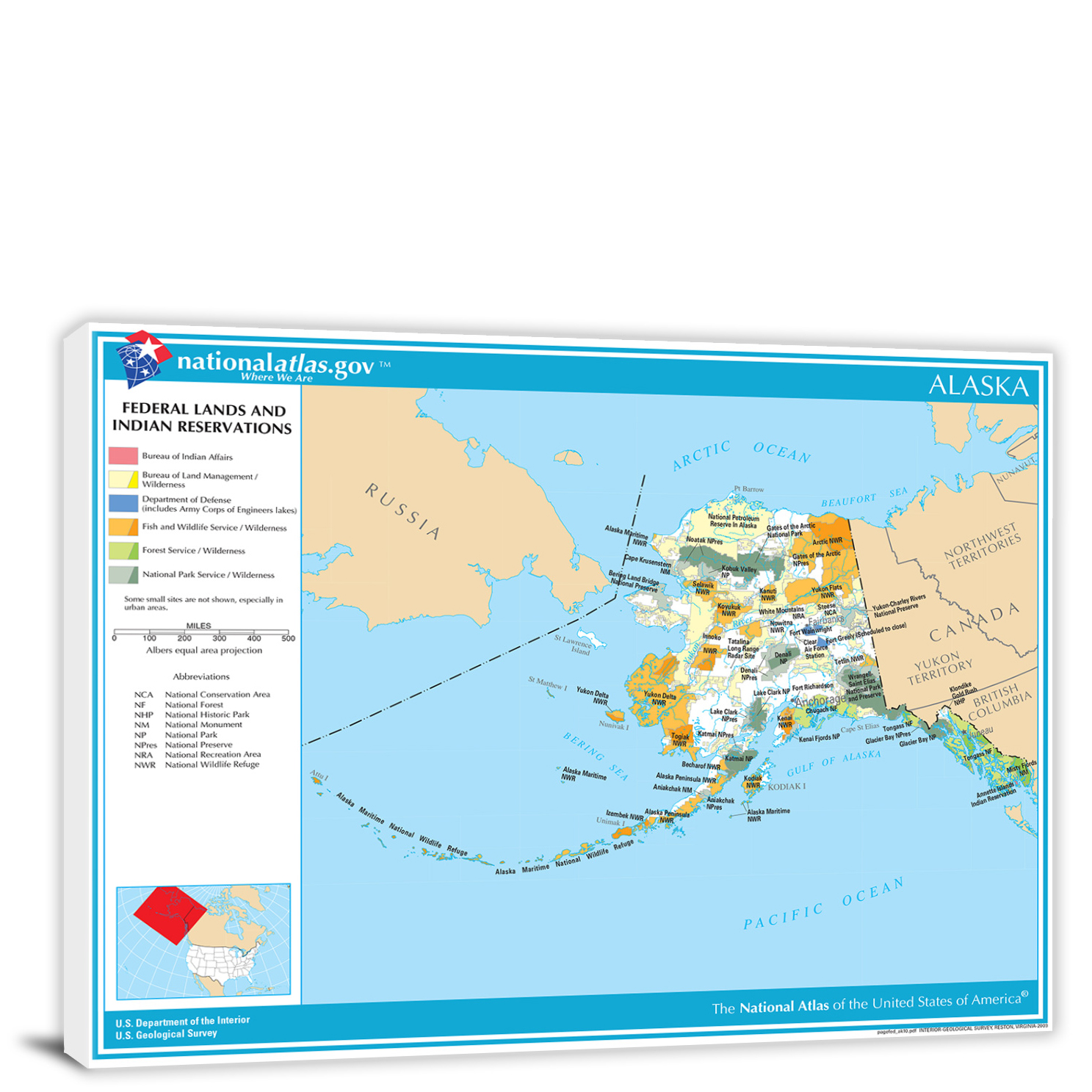
Alaska, renowned for its breathtaking landscapes and rich indigenous cultures, presents a unique context when discussing Indian reservations. Unlike the contiguous United States, Alaska’s indigenous land management operates under a different framework, primarily shaped by the Alaska Native Claims Settlement Act (ANCSA) of 1971. This article delves into the complexities surrounding the concept of Indian reservations in Alaska, examining the historical, legal, and contemporary factors that define this distinctive situation.
Understanding the Basics: What is an Indian Reservation?
Before diving into the specifics of Alaska, it’s essential to understand what an Indian reservation typically represents. In the lower 48 states, an Indian reservation is an area of land reserved for a tribe or tribes under treaty or other agreement with the United States, executive order, or federal statute. These reservations are often governed by tribal governments with varying degrees of sovereignty, allowing them to manage their internal affairs, land use, and resources.
These reservations serve as homelands for many Native American tribes and are crucial for preserving their cultural identity and traditions. The federal government holds the land in trust for the tribes, providing certain protections and services.
The Unique Case of Alaska: ANCSA and the Absence of Reservations
Alaska stands apart from the rest of the United States due to the passage of the Alaska Native Claims Settlement Act (ANCSA) in 1971. This landmark legislation fundamentally altered the landscape of indigenous land rights in the state.
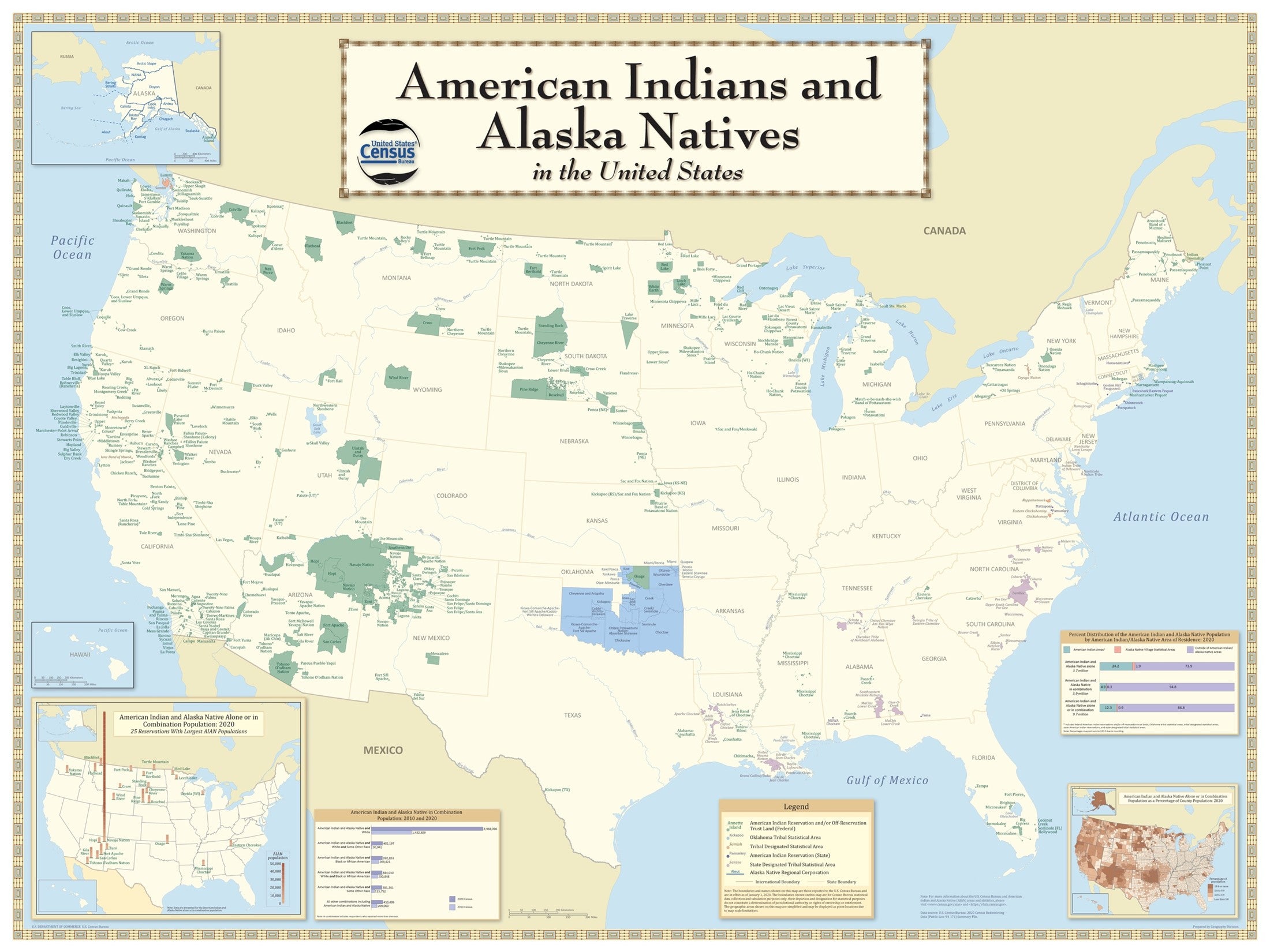
ANCSA was enacted to resolve aboriginal land claims by Alaska Natives, who had long sought recognition and compensation for the loss of their traditional lands. Instead of establishing reservations, ANCSA created a system of Native corporations. Under this act, approximately 44 million acres of land and nearly a billion dollars were conveyed to these newly formed corporations, representing various Alaska Native groups.
Key Provisions of ANCSA
Abolishment of Reservations: ANCSA explicitly revoked all existing reservations in Alaska, with the exception of the Annette Island Reserve, home to the Metlakatla Indian Community, which is the only federally recognized Indian reservation in Alaska.
Establishment of Native Corporations: ANCSA established 12 regional corporations and numerous village corporations. These corporations hold title to the land and manage resources for the benefit of their shareholders, who are Alaska Natives.
Monetary Compensation: In addition to land, ANCSA provided monetary compensation to Alaska Natives as settlement for their land claims. This compensation was distributed through the Native corporations.
Shareholder Structure: The Native corporations operate with a shareholder structure, where Alaska Natives born on or before December 18, 1971, received shares in their respective regional and village corporations. Subsequent generations can inherit these shares but cannot receive new ones, leading to ongoing discussions about the future of ANCSA and its impact on younger Alaska Natives.
Why No Reservations? The Rationale Behind ANCSA
Economic Development: Proponents of ANCSA argued that the corporate structure would promote economic development and self-sufficiency among Alaska Natives. By owning and managing their lands and resources through corporations, they could participate more directly in the state’s economy.
Integration: There was a desire to integrate Alaska Natives more fully into the broader Alaskan society. The reservation system, as seen in the lower 48, was sometimes viewed as isolating and detrimental to Native communities.
Political Considerations: The political climate at the time favored a settlement that would allow for the development of Alaska’s natural resources, particularly oil. ANCSA facilitated this by clarifying land ownership and paving the way for resource extraction.
The Metlakatla Indian Community: Alaska’s Sole Reservation
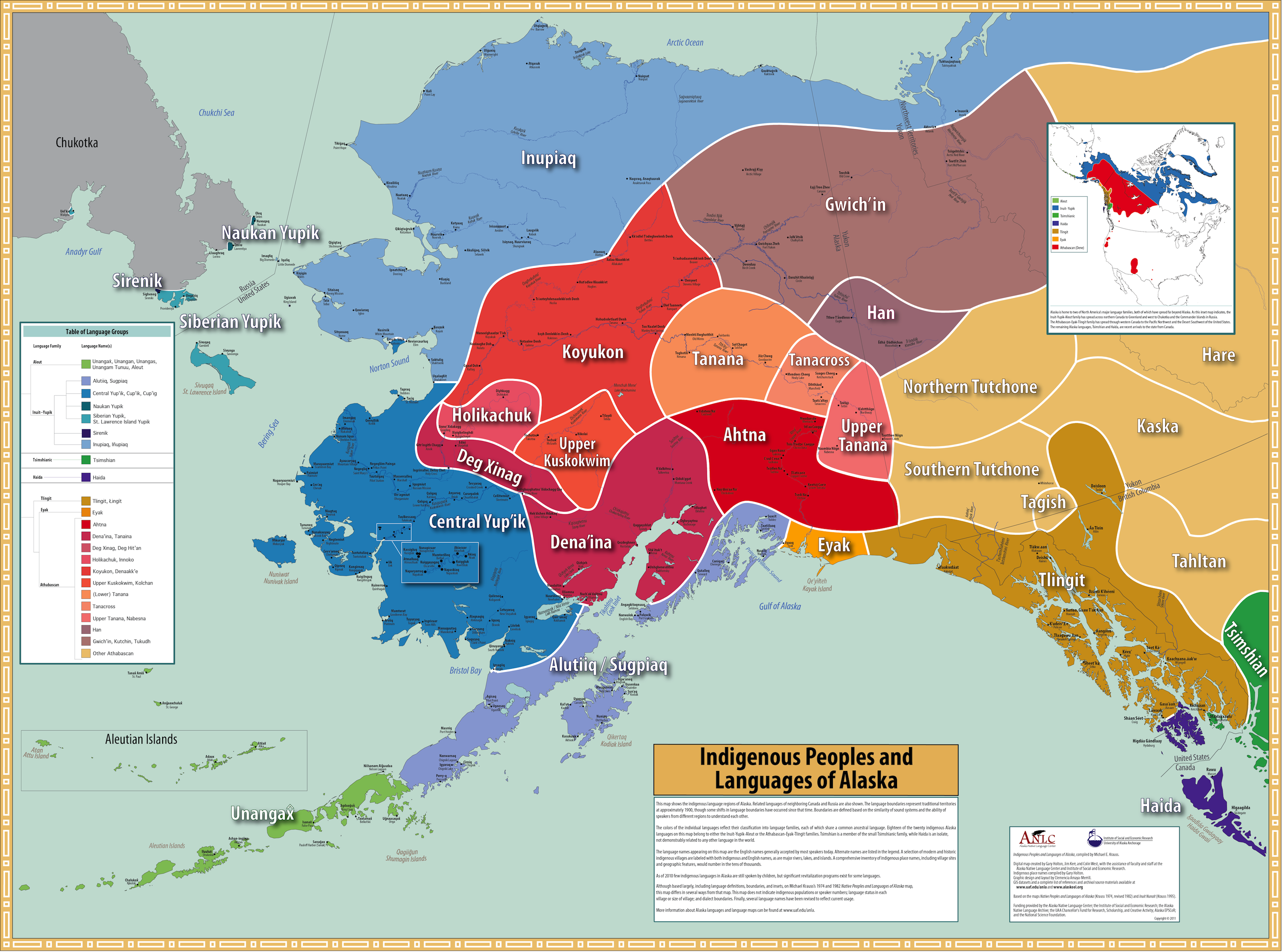
The Annette Island Reserve, located in southeastern Alaska, is the only official Indian reservation in the state. Home to the Metlakatla Indian Community, primarily composed of Tsimshian Indians, this reservation was established in 1891.
The Tsimshian people, led by William Duncan, migrated to Annette Island from British Columbia seeking religious freedom and self-governance. The U.S. government granted them the island as a reservation, and they have since maintained a distinct cultural and political identity.
The Metlakatla Indian Community operates under its own tribal government and is not subject to ANCSA. This unique status allows them to maintain direct control over their lands and resources, setting them apart from other Alaska Native groups.
Life After ANCSA: Impacts and Challenges
Economic Disparities: The economic success of Native corporations has varied widely. Some corporations have thrived, generating substantial revenue and providing employment opportunities for their shareholders. Others have struggled due to poor management, resource depletion, or economic downturns.
Land Management Issues: Managing the vast land holdings conveyed by ANCSA has proven complex. Corporations must balance the interests of their shareholders with environmental concerns and the need for sustainable resource management.
Cultural Preservation: While ANCSA aimed to promote economic self-sufficiency, it has also raised concerns about cultural preservation. The corporate structure can sometimes conflict with traditional ways of life and cultural values.
Shareholder Concerns: As the original shareholders pass away, their shares are inherited by subsequent generations, many of whom may not have the same connection to their Native heritage or the same understanding of ANCSA. This has led to discussions about potential amendments to ANCSA to address the needs of younger Alaska Natives.
Common Misconceptions About Alaska Native Lands
All Alaska Native Land is a Reservation: This is incorrect. With the exception of Annette Island, Alaska does not have Indian reservations in the traditional sense. Most Native land is held by Native corporations.
ANCSA Resolved All Issues: While ANCSA settled aboriginal land claims, it did not resolve all issues facing Alaska Native communities. Challenges related to economic development, cultural preservation, and social well-being persist.
Native Corporations are Equivalent to Tribal Governments: Native corporations are business entities, not governmental bodies. While they play a significant role in the lives of Alaska Natives, they do not have the same powers or responsibilities as tribal governments in the lower 48.
The Future of Alaska Native Land Management
Climate Change: Alaska is disproportionately affected by climate change, which poses significant threats to Native communities and their traditional ways of life. Addressing climate change and its impacts will require collaborative efforts between Native corporations, government agencies, and other stakeholders.
Resource Development: The development of Alaska’s natural resources, including oil, gas, and minerals, will continue to be a contentious issue. Balancing economic development with environmental protection and the rights of Alaska Natives will be crucial.
Comparing Alaska and the Lower 48: Key Differences
Land Ownership: In the lower 48, reservations are held in trust by the federal government for the benefit of the tribes. In Alaska, land is primarily owned by Native corporations.
Governance: In the lower 48, tribal governments have varying degrees of sovereignty over their reservations. In Alaska, Native corporations are business entities focused on economic development.
Historical Context: The history of Indian reservations in the lower 48 is rooted in treaties and federal policies aimed at assimilation and land cession. In Alaska, ANCSA was a comprehensive settlement intended to resolve aboriginal land claims and promote economic self-sufficiency.
Economic Models: Reservations in the lower 48 often rely on gaming, natural resource extraction, and federal funding for economic support. Native corporations in Alaska engage in a broader range of business activities, including resource development, tourism, and real estate.
People Also Ask (PAA) – Addressing Common Questions
Are there Indian reservations in Alaska?
Yes, but only one official Indian reservation: the Annette Island Reserve, home to the Metlakatla Indian Community. The rest of Alaska operates under the ANCSA system with Native corporations.
What is ANCSA and how did it affect Alaska Natives?
ANCSA is the Alaska Native Claims Settlement Act of 1971. It abolished most reservations in Alaska and created Native corporations to manage land and resources for the benefit of Alaska Natives. It aimed to resolve aboriginal land claims and promote economic development.
How do Native corporations work?
Native corporations are business entities that own and manage land and resources conveyed by ANCSA. They operate with a shareholder structure, where Alaska Natives hold shares and receive benefits from the corporation’s activities.
What are the challenges facing Alaska Native corporations?
Challenges include economic disparities, land management issues, cultural preservation concerns, and adapting to changing shareholder demographics.
How is the Metlakatla Indian Community different?
The Metlakatla Indian Community is the only federally recognized Indian reservation in Alaska. They are not subject to ANCSA and maintain direct control over their lands and resources under their own tribal government.
Conclusion
The issue of Indian reservations in Alaska is a complex and nuanced one. While the state lacks traditional reservations in the same vein as the lower 48, the Alaska Native Claims Settlement Act (ANCSA) has created a unique system of Native corporations that manage land and resources for the benefit of Alaska Natives. Understanding the historical context, legal framework, and ongoing challenges is crucial for appreciating the distinctive nature of indigenous land rights in Alaska. As Alaska Native communities continue to navigate the complexities of ANCSA and adapt to a changing world, the future of land management and cultural preservation will remain a vital topic of discussion and collaboration.
By examining the intricacies of ANCSA, the role of Native corporations, and the singular existence of the Metlakatla Indian Community, this article provides a comprehensive overview of the landscape of Indian reservations in Alaska. This understanding is essential for anyone seeking to engage with or comprehend the unique dynamics of indigenous affairs in the state.


