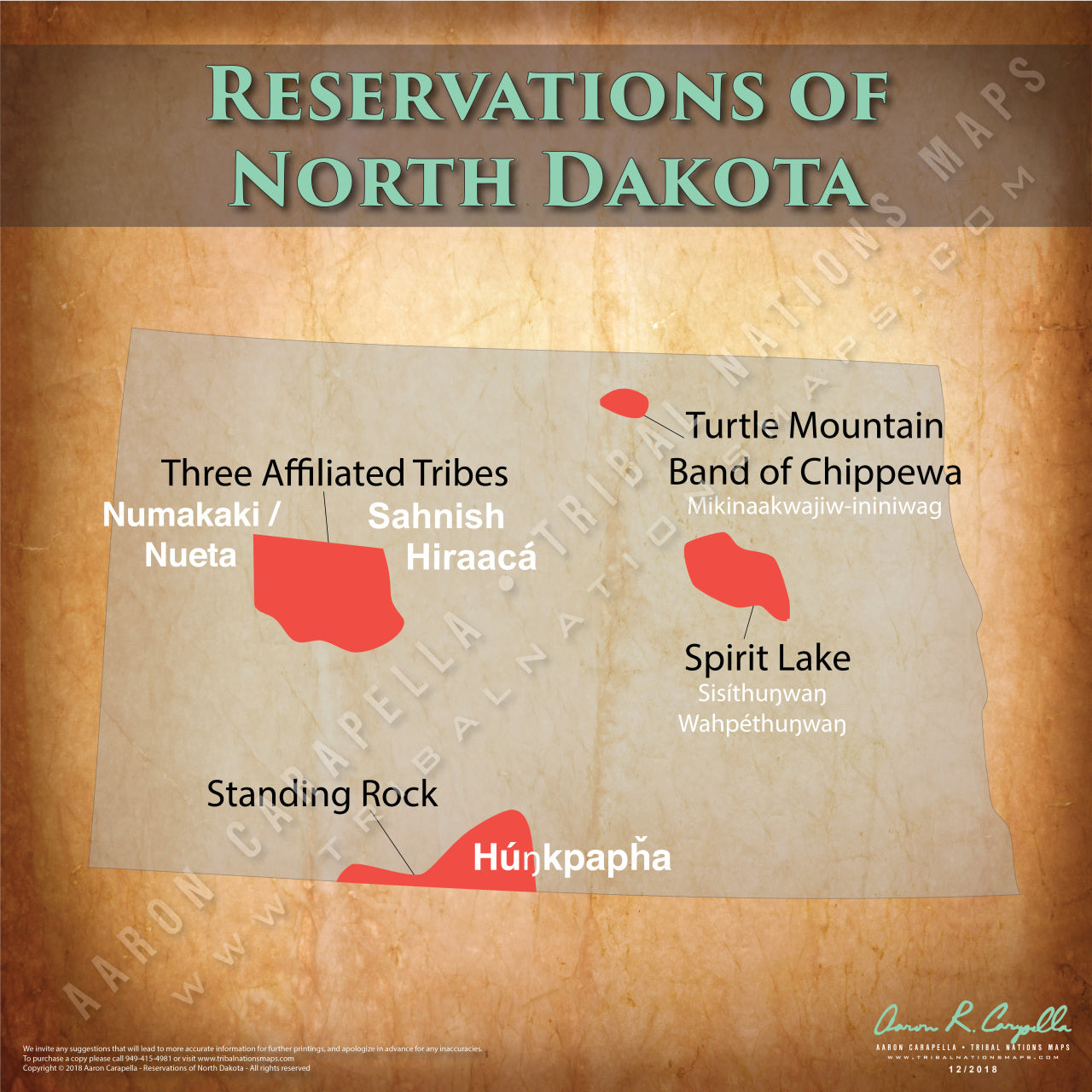
North Dakota, often celebrated for its vast prairies and rugged landscapes, holds an even deeper, more profound heritage rooted in the enduring presence of its Native American tribal nations. The state is home to four significant Indian reservations, each a vibrant center of culture, history, and self-governance. These reservations are not merely geographical areas; they represent sovereign nations with rich traditions, complex histories, and dynamic futures.
Understanding the Indian reservations in North Dakota offers a crucial perspective on the state’s identity and the broader narrative of indigenous peoples in America. This comprehensive guide will delve into the unique characteristics, historical significance, and contemporary life on each of these vital tribal lands.
Understanding Indian Reservations: A Foundation
Before exploring individual reservations, it’s essential to grasp the concept of an ‘Indian Reservation.’ These are lands reserved by, or for, Native American tribes under treaties or federal statutes, often in exchange for vast ancestral territories. Critically, these lands are held in trust by the U.S. government for the benefit of the tribes, and within their borders, tribal governments exercise inherent sovereignty.
Tribal sovereignty means that these nations have the right to govern themselves, establish their own laws, and manage their resources. While operating within the larger framework of the United States, they retain a unique nation-to-nation relationship, distinct from state or local governments. This principle of self-determination is fundamental to the identity and future of all tribal nations.
The Four Pillars: North Dakota’s Primary Indian Reservations
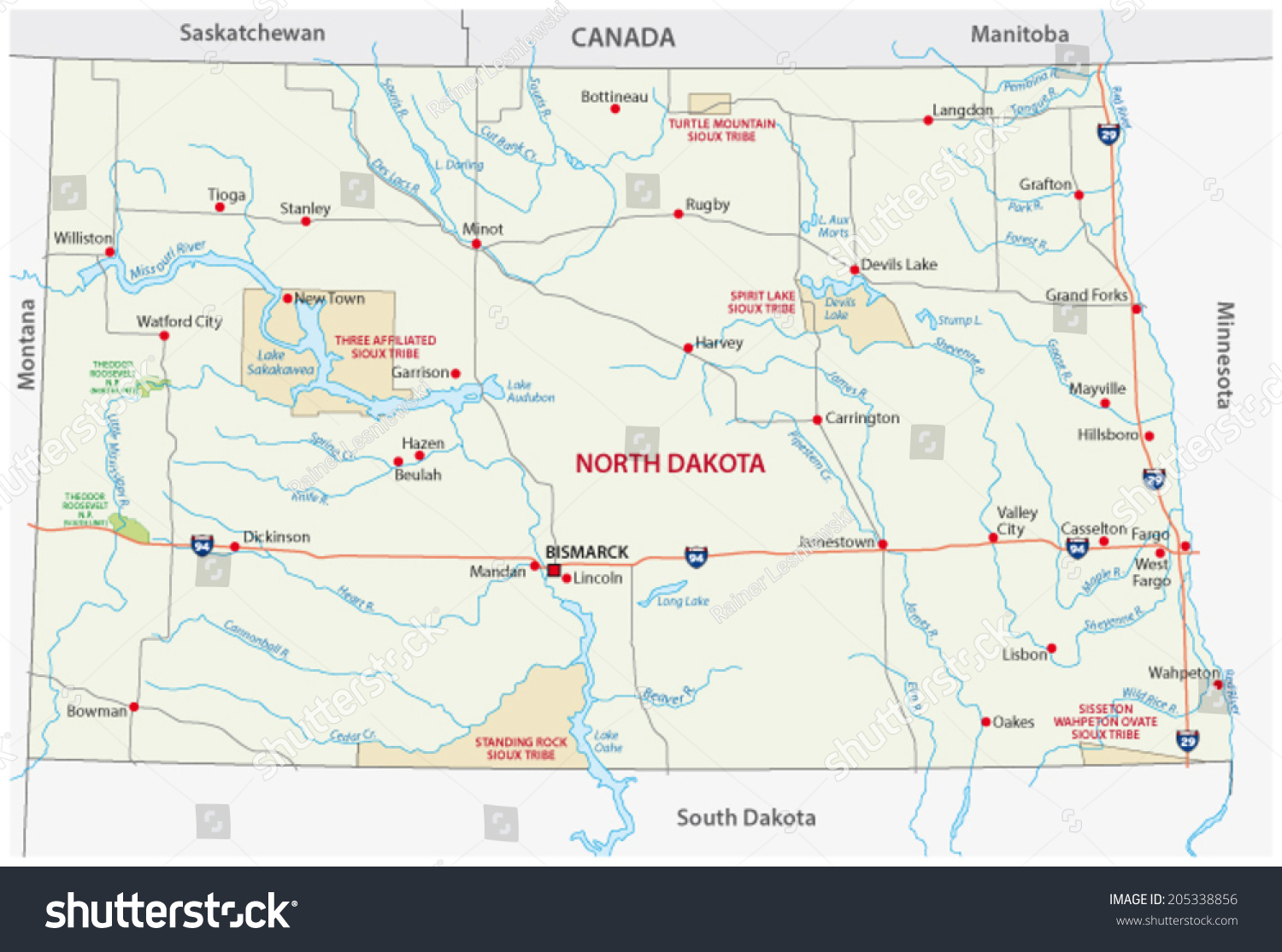
North Dakota is home to four federally recognized Indian Reservations. Each has a distinct story, culture, and set of challenges and triumphs. They are: the Fort Berthold Indian Reservation, the Spirit Lake Nation, the Standing Rock Indian Reservation, and the Turtle Mountain Indian Reservation.
Let’s embark on a journey to explore each of these significant tribal lands.
1. Fort Berthold Indian Reservation: The Three Affiliated Tribes
The Fort Berthold Indian Reservation is located in west-central North Dakota, encompassing parts of McLean, Mercer, Mountrail, Dunn, McKenzie, and Ward counties. It is the homeland of the Mandan, Hidatsa, and Arikara Nation, collectively known as the Three Affiliated Tribes (MHA Nation).
Historically, these three distinct tribes converged due to shared experiences, including devastating epidemics and external pressures. They share a deep connection to the Missouri River, which was central to their traditional agricultural practices, trade networks, and spiritual beliefs. The creation of Lake Sakakawea by the Garrison Dam in the 1950s inundated much of their prime agricultural land and traditional villages, a profound loss that continues to impact the community.
Today, the Fort Berthold Reservation is one of the most economically dynamic tribal nations in the country, largely due to its location over a significant portion of the Bakken oil formation. This has brought both unprecedented opportunities and complex challenges, including rapid population growth and infrastructure demands. The MHA Nation has strategically invested its resources in economic diversification, education, and cultural preservation.
Visitors to Fort Berthold can learn about the tribes’ rich history and culture at the Earthlodge Village and Museum, or enjoy the vast recreational opportunities offered by Lake Sakakawea, which now defines much of the reservation’s landscape. The tribal government actively works to preserve the Mandan, Hidatsa, and Arikara languages and traditions for future generations.
2. Spirit Lake Nation: Guardians of the Lake
Situated in northeastern North Dakota, primarily in Benson County, the Spirit Lake Nation is home to the Dakota Oyate (people), primarily members of the Sisseton, Wahpeton, and Cuthead bands of the Dakota Sioux. The reservation takes its name from ‘Mni Wakan,’ meaning ‘Spirit Lake’ in Dakota, known today as Devils Lake.

The Spirit Lake people have a long and storied history, deeply tied to the land and the sacred waters of Devils Lake. Their culture emphasizes community, respect for nature, and the preservation of their ancestral language and ceremonies. Like many tribes, they faced immense challenges during the era of forced assimilation and land loss.
The Spirit Lake Nation today is a vibrant community with a focus on education, economic development, and cultural revitalization. They operate the Spirit Lake Casino and Resort, which serves as a significant employer and revenue generator for the tribe. The tribe also manages various enterprises and programs aimed at improving the quality of life for its members.
Efforts to preserve the Dakota language and traditional arts are strong, with various initiatives in schools and community centers. The beauty of the Devils Lake region also offers opportunities for outdoor recreation, attracting visitors who can learn about the tribe’s connection to this unique environment.
3. Standing Rock Indian Reservation: A Legacy of Resilience
The Standing Rock Indian Reservation is perhaps one of the most widely recognized tribal lands, straddling the border of North and South Dakota, with its administrative center at Fort Yates, North Dakota. It is the ancestral home of the Lakota and Dakota Sioux, including descendants of the Hunkpapa Lakota, whose famous leader, Sitting Bull, is buried on the reservation.
Standing Rock carries a profound historical weight, being the site of numerous pivotal moments in Native American history, including the legacy of the Great Sioux Nation and the Battle of Little Bighorn. The reservation’s name itself comes from a sacred stone, a symbol of the people’s enduring connection to their land and heritage.
In recent years, Standing Rock gained international attention during the protests against the Dakota Access Pipeline (DAPL). This movement, driven by concerns over water quality, environmental justice, and the protection of sacred sites, highlighted the enduring commitment of the Standing Rock Sioux Tribe to protect their land and resources, and underscored the ongoing struggles for tribal sovereignty and environmental justice.
Life on Standing Rock today is characterized by a strong sense of community, cultural pride, and resilience. The tribe focuses on youth programs, cultural preservation through language and traditional arts, and sustainable economic development. Visitors can explore historical sites, including Sitting Bull’s burial site, and gain a deeper understanding of Lakota and Dakota culture.
4. Turtle Mountain Band of Chippewa Indians: The Métis Heritage
Located in north-central North Dakota, primarily in Rolette County, the Turtle Mountain Indian Reservation is home to the Turtle Mountain Band of Chippewa Indians, a federally recognized tribe with a significant Métis population. The Métis are a distinct indigenous people of mixed European and First Nations ancestry, primarily French and Cree/Ojibwe.
The Turtle Mountain region has historically been a crossroads for diverse cultures. The Chippewa (Ojibwe) people established deep roots here, and over centuries, intermarriage with European fur traders led to the emergence of the vibrant Métis culture, known for its unique language (Michif), music, dance (like the Red River Jig), and traditional way of life.
The reservation is known for its strong sense of community and cultural identity. The tribe has made significant strides in economic development, including operating the Sky Dancer Casino & Resort, manufacturing facilities, and various tribal enterprises. Education is also a high priority, with the establishment of Turtle Mountain Community College, a vital institution for higher learning and cultural preservation.
The Turtle Mountain Band actively works to preserve and promote its unique Chippewa and Métis heritage, including language revitalization efforts and the continuation of traditional crafts and ceremonies. The scenic Turtle Mountains offer a beautiful backdrop for a community that proudly maintains its distinct cultural identity.
Life on the Reservations Today: Challenges and Triumphs
Life on North Dakota’s Indian reservations is a complex tapestry of tradition and modernity, marked by both persistent challenges and remarkable resilience. Tribal governments are at the forefront of addressing issues such as economic development, healthcare, education, and infrastructure. Many reservations face higher rates of poverty, unemployment, and health disparities compared to the general population, legacies of historical injustices and underfunding.
However, tribal nations are also centers of immense strength and innovation. Through self-governance, they are building robust economies, developing educational institutions like tribal colleges, and creating culturally relevant healthcare and social services. Programs aimed at language revitalization, cultural education, and youth empowerment are thriving, ensuring the continuity of indigenous identities.
Visiting North Dakota’s Indian Reservations: Respectful Engagement
Many of North Dakota’s tribal nations welcome visitors, offering unique opportunities to learn about their history, culture, and contemporary life. When visiting, it is crucial to do so with respect and an open mind. Remember these are sovereign nations, and visitors should adhere to tribal laws and customs.
- Seek Permission: For specific events or if you plan to visit sacred sites, inquire if permission is needed.
- Respect Privacy: Be mindful of privacy and ask before taking photos of individuals or ceremonies.
- Support Local: Patronize tribal businesses, art galleries, and cultural centers.
- Educate Yourself: Learn about the specific tribe’s history and culture before your visit.
- Attend Public Events: Powwows and other cultural celebrations are often open to the public and offer incredible insights, but always follow announced protocols.
Common Questions About North Dakota’s Reservations
How many Indian reservations are in North Dakota? North Dakota has four primary federally recognized Indian reservations: Fort Berthold, Spirit Lake, Standing Rock, and Turtle Mountain.
What tribes are in North Dakota? The tribes residing on these reservations include the Mandan, Hidatsa, Arikara (Three Affiliated Tribes), Dakota/Sioux (Spirit Lake and Standing Rock), and Chippewa/Ojibwe, including the Métis people (Turtle Mountain).
Can anyone visit an Indian reservation? Generally, yes, reservations are open to the public, much like any other community. However, specific areas or events might require permission or have particular rules, which should always be respected.
What is tribal sovereignty? Tribal sovereignty refers to the inherent authority of indigenous tribes to govern themselves, their lands, and their people, predating the formation of the United States. This includes the right to establish laws, manage resources, and determine tribal membership.
Conclusion: A Legacy of Resilience and Renewal
The Indian Reservations of North Dakota are vibrant, living communities that stand as powerful testaments to the resilience, cultural richness, and enduring sovereignty of Native American peoples. From the oil fields of Fort Berthold to the sacred waters of Spirit Lake, the historic plains of Standing Rock, and the Métis heartland of Turtle Mountain, these tribal nations contribute immeasurably to the tapestry of North Dakota.
Their stories are not just historical footnotes but ongoing narratives of self-determination, cultural preservation, and a tenacious spirit in the face of adversity. By understanding and respecting these sovereign nations, we gain a fuller, more authentic appreciation for the diverse heritage that defines North Dakota.
We encourage everyone to learn more about North Dakota’s tribal nations, engage respectfully, and support their ongoing efforts to build strong, self-sufficient communities while preserving their invaluable cultural legacies for generations to come.


