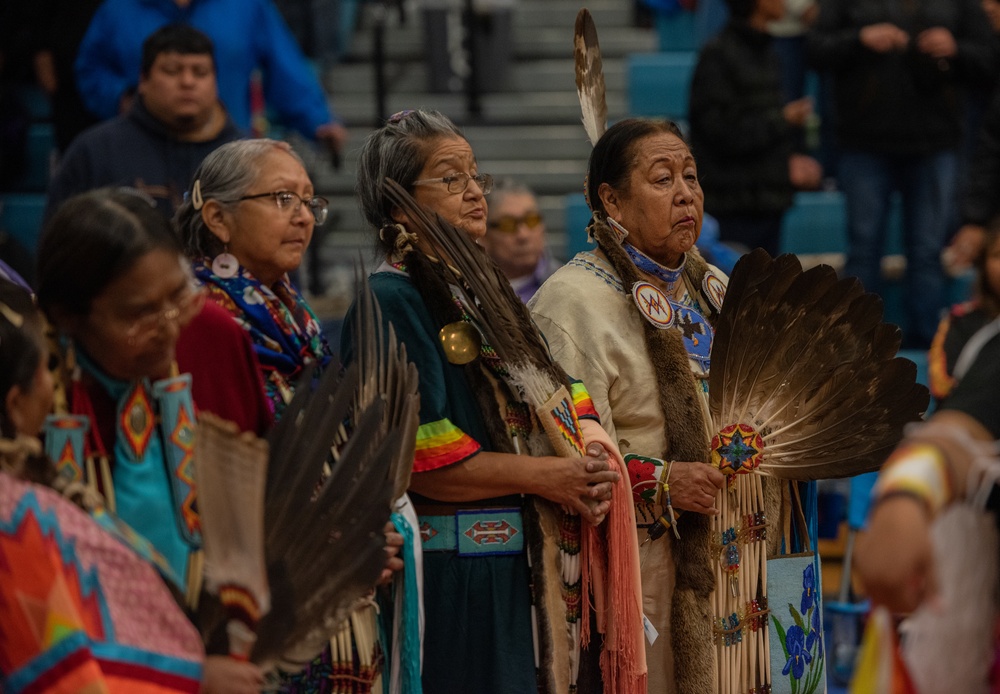
Powwows represent the vibrant heartbeat of Indigenous cultures across North America, serving as powerful expressions of tradition, community, and resilience. Far more than mere festivals, these sacred gatherings are deeply rooted in history, bringing together Native peoples and often welcoming non-Native visitors to share in a rich tapestry of dance, song, storytelling, and cultural exchange.
While powwows occur in various settings, attending one on an Indian reservation offers a unique and profound experience, steeped in the ancestral lands and specific tribal customs of the host community. It provides a direct connection to the living heritage of Indigenous nations.
What Exactly is a Powwow?
At its core, a powwow (derived from the Narragansett word ‘pauwau’, meaning ‘spiritual leader’ or ‘healer’) is an intertribal gathering where Native American and First Nations people meet to socialize, sing, dance, and honor their cultures. Modern powwows have evolved from ancient ceremonies and celebrations, adapting over centuries to become the diverse and inclusive events we see today.
These events are not monolithic; they vary significantly from region to region and tribe to tribe, each carrying distinct local traditions, dance styles, and protocols. However, common threads of respect, community, and cultural pride weave through every gathering.
The Profound Significance of Powwows on Reservations
When a powwow is held on a tribal reservation, it carries an added layer of meaning. These events often serve as vital links to cultural preservation, providing a space for elders to pass down knowledge to younger generations and for tribal members to reaffirm their identity and connection to their heritage on their ancestral lands.
On reservations, powwows can also be significant economic drivers, supporting local artisans, food vendors, and small businesses within the community. They are a powerful assertion of tribal sovereignty and a testament to the enduring spirit of Indigenous peoples.
Who Can Attend a Powwow? Are They Open to the Public?
This is one of the most frequently asked questions. Generally, yes, most powwows are open to the public. Indigenous communities often welcome visitors as an opportunity to share their culture, educate others, and foster understanding. However, it is crucial to approach these events with respect, humility, and an open mind.
Understanding the Structure: What to Expect at a Powwow
- The Grand Entry: This is the most important part of any powwow, usually held once daily, often on Saturday afternoon. All dancers, in full regalia, enter the arena led by flag bearers carrying the Eagle Staff, U.S. flag, tribal flags, and often flags of military veterans. It’s a powerful, moving spectacle that demands silence and respect.
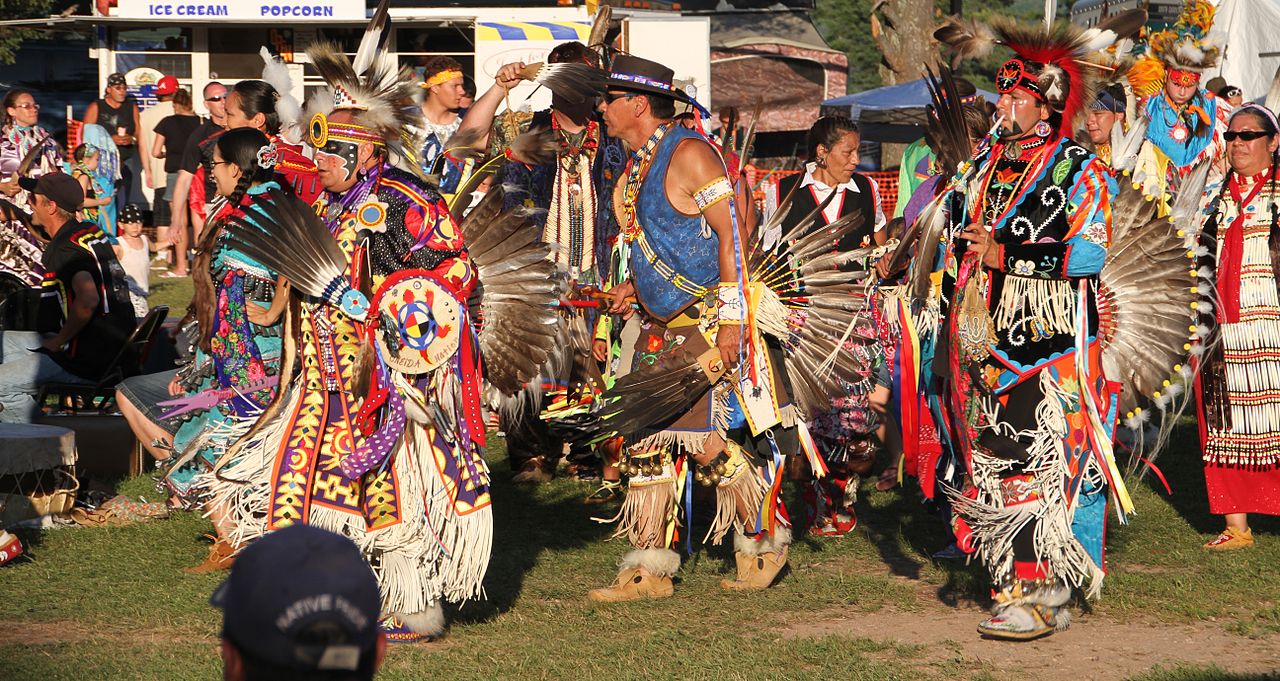
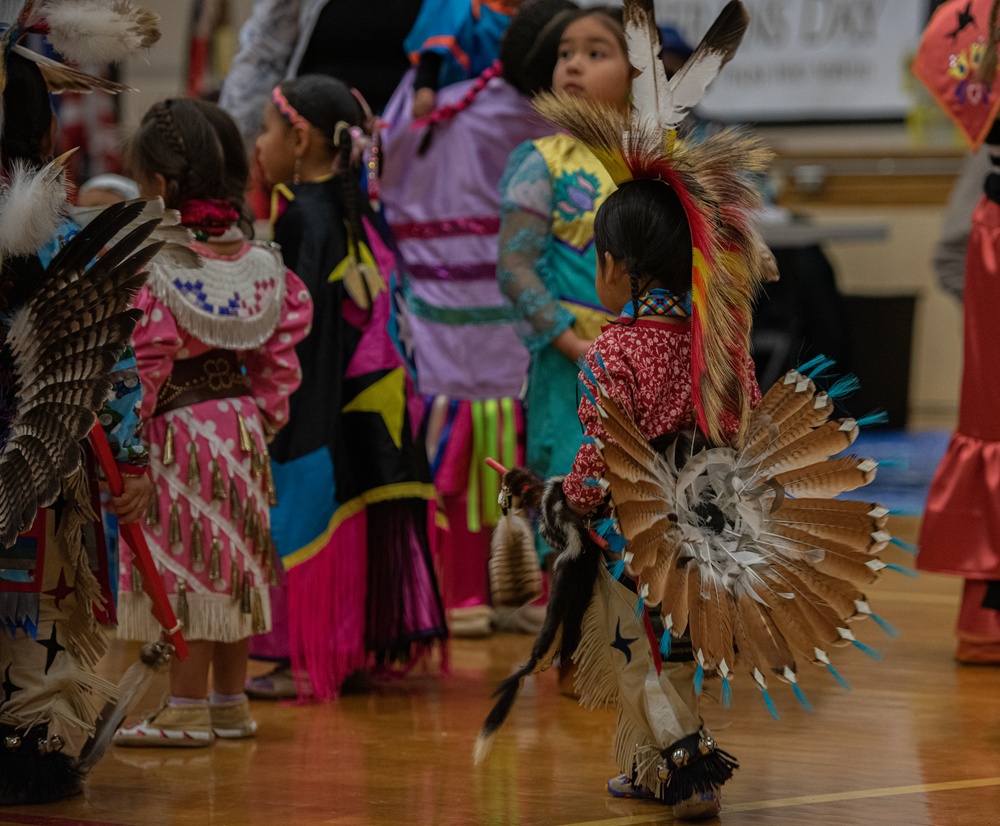
- Dances: The heart of the powwow. Dancers compete in various categories (Men’s Traditional, Men’s Fancy, Grass Dance, Women’s Traditional, Women’s Fancy Shawl, Jingle Dress Dance, Teen, Junior, and Tiny Tots categories). Each dance style tells a story and requires specific regalia.
- Drumming and Singing: The ‘drum’ is considered the heartbeat of the powwow. Multiple drum groups, comprised of singers and drummers, provide the music for all dances. Each song has a purpose, from honoring songs to intertribal dances.
- Giveaways and Honoring: These are integral parts of many powwows, demonstrating generosity and respect. Individuals or families may host a giveaway to honor someone, thank supporters, or celebrate a significant life event.
- Social Dances: These are often open to everyone, including non-Native visitors. Listen for the announcer’s cues.
- Vendors and Food: A bustling marketplace usually surrounds the arena, featuring Native artists selling handmade crafts, jewelry, beadwork, and traditional foods like fry bread, Indian tacos, and stews.
Essential Powwow Etiquette: Showing Respect
- Listen to the Announcer: The announcer is your guide. They will explain what is happening, announce special dances, and instruct attendees when to stand, sit, or remove hats.
- Respect the Arena: The dance arena is sacred. Do not walk across it, and never bring food or drink into it.
- Regalia is Sacred: Dancers’ regalia (often mistakenly called ‘costumes’) are deeply personal, often handmade, and carry spiritual significance. Never touch a dancer’s regalia without explicit permission.
- Photography: Always ask permission before taking photos, especially of individuals. During sacred moments like the Grand Entry or specific honoring songs, photography may be prohibited entirely. Listen to the announcer.
- Seating: Give priority seating to elders, dancers, and drum group members.
- Dress Code: Dress respectfully and modestly. While there’s no strict dress code, avoid overly revealing clothing.
- Alcohol and Drugs: Most powwows are drug and alcohol-free events. Adhere to this policy strictly.
- Children: Keep children close and ensure they understand the importance of respectful behavior.
Common Questions Answered: Deep Dive into Powwow Culture
What is the purpose of a powwow? Its purposes are multifaceted: cultural preservation, spiritual renewal, community building, honoring veterans and elders, celebrating achievements, and sharing Indigenous traditions with the wider world.
How long do powwows last? Most last a weekend, typically Friday evening through Sunday afternoon, with main events like the Grand Entry on Saturday.
What is the difference between a traditional powwow and a competition powwow? Competition powwows feature prize money for dancers and drum groups, often attracting participants from a wider geographic area. Traditional powwows focus more on cultural sharing and community, with less emphasis on monetary prizes. Many powwows blend elements of both.
Can I participate in the dances? Only during ‘intertribal’ or ‘social’ dances, when the announcer explicitly invites everyone to join. Do not enter the arena during competition dances unless you are a registered dancer.
Is there a fee to enter? Some powwows charge a small admission fee, which helps cover costs. Others are free. Check the event details.
Preparing for Your First Powwow Experience
To make your first powwow experience rewarding, consider these tips: bring cash for vendors, wear comfortable shoes, bring a blanket or chair if allowed for seating, stay hydrated, and most importantly, bring an open heart and a willingness to learn.
Research the specific powwow you plan to attend. Learn about the host tribe if possible, and check for any unique customs or rules they might have. This preparation enhances your experience and demonstrates respect.
The Enduring Legacy of Powwows on Reservations
Powwows on Indian reservations are powerful testaments to the enduring strength, beauty, and diversity of Indigenous cultures. They are not relics of the past but living, evolving traditions that continue to play a vital role in tribal communities today.
By attending a powwow with a spirit of respect and genuine interest, visitors can gain invaluable insights into Native American life, foster cross-cultural understanding, and support the vibrant continuation of these profound cultural expressions.
Embrace the opportunity to witness history, community, and breathtaking artistry unfold. The heartbeat of Indigenous culture awaits.
In conclusion, powwows on Indian reservations are much more than mere events; they are sacred spaces where tradition, community, and spirituality converge. Understanding their significance, respecting their protocols, and engaging with an open mind allows for a truly enriching experience. These gatherings are vital for cultural preservation, intergenerational knowledge transfer, and for celebrating the resilience of Native peoples. Your respectful presence contributes to the continuation of this magnificent cultural legacy.


