
Food is fundamental to life, culture, and well-being. For Indigenous communities across North America, the concept of food goes far beyond mere sustenance; it is intricately woven into their identity, spiritual practices, traditional knowledge, and self-determination. This profound connection underpins the vital movement of food sovereignty on Indian Reservations, a powerful endeavor to reclaim control over their food systems and revitalize ancestral ways of living.
Understanding food sovereignty within Indigenous contexts requires acknowledging a painful history. For centuries, colonial policies systematically dismantled Native American food systems, replacing diverse, locally adapted diets with government-issued commodities. This forced shift led to widespread health disparities, including alarming rates of diabetes and heart disease, and severed a deep cultural link to the land and traditional ecological knowledge.
This article delves into the multifaceted journey of food sovereignty on Indian Reservations, examining the historical backdrop, the persistent challenges faced by tribal nations, and the inspiring, community-driven initiatives that are forging a path toward healthier, more sustainable, and culturally appropriate food futures.
The Erosion of Indigenous Foodways: A Historical Perspective
Before European colonization, Indigenous peoples thrived on diverse and sustainable food systems. From the corn, beans, and squash of agricultural societies to the bison of the Great Plains and the salmon of the Pacific Northwest, traditional diets were rich, nutritious, and deeply integrated with the natural environment. These systems fostered robust health and were managed with profound respect for ecological balance.
The arrival of European settlers brought devastating changes. Policies of forced relocation, land seizure, and the deliberate destruction of traditional food sources – such as the near-extermination of the bison – were instrumental in subjugating Indigenous populations. Treaties often promised land and resources that were later broken, further isolating communities from their ancestral hunting grounds, fishing rivers, and fertile agricultural lands.

The reservation system, established in the 19th century, confined tribes to often marginal lands, severing their connection to traditional food sources. Government commodity programs, introduced as a form of aid, provided highly processed, calorie-dense, and nutrient-poor foods, contributing significantly to the rise of chronic diseases that plague many Indigenous communities today.
This historical trauma created ‘food deserts’ long before the term was coined, where access to fresh, healthy, and culturally relevant food became a significant struggle, laying the groundwork for many of the challenges tribal nations face in achieving food security and sovereignty.
Current Challenges Facing Tribal Food Systems
Even today, many Indian Reservations are characterized by significant challenges that hinder access to healthy food. Geographic isolation often means limited grocery stores, leading to reliance on convenience stores with highly processed options or long, costly trips to distant towns.
Poverty and unemployment rates on many reservations are disproportionately high, making healthy food choices unaffordable even when available. The economic barriers create a vicious cycle, where a lack of nutritious food impacts health, which in turn impacts the ability to work and thrive.
Beyond economic factors, environmental degradation and the impacts of climate change also threaten traditional food sources. Changes in weather patterns, water scarcity, and habitat loss affect hunting, fishing, and gathering practices, further disconnecting communities from their cultural heritage.
The loss of traditional ecological knowledge and language, often a direct result of assimilation policies, also poses a challenge. Elders hold invaluable wisdom about planting, harvesting, and preparing traditional foods, and ensuring this knowledge is passed to younger generations is crucial for revitalization.
Defining Food Sovereignty: Beyond Food Security
It is important to distinguish between food security and food sovereignty. Food security generally refers to reliable access to a sufficient quantity of affordable, nutritious food. While critical, it doesn’t necessarily address who controls the food system, how food is produced, or its cultural appropriateness.
- Self-determination: The ability for tribal nations to govern their own food policies and practices.
- Cultural revitalization: Reconnecting with traditional foods, ceremonies, and languages associated with food.
- Environmental stewardship: Practicing sustainable agriculture and land management based on ancestral knowledge.
- Economic independence: Creating local food economies that benefit tribal members and reduce reliance on external systems.
- Health and wellness: Improving community health outcomes through access to traditional, nutritious foods.
Key Pillars of Indigenous Food Sovereignty Initiatives
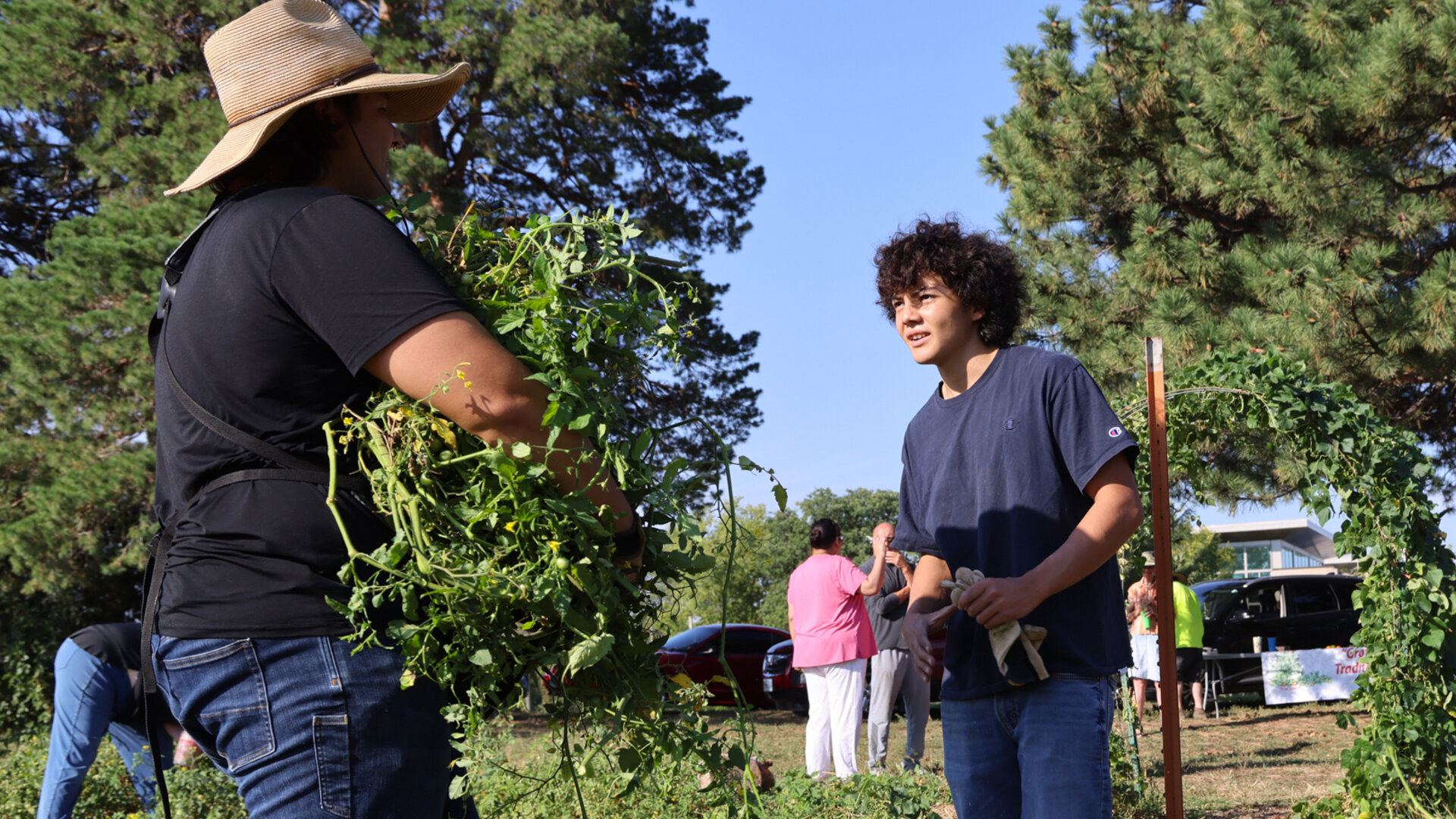
Revitalizing Traditional Agriculture and Farming: Many tribes are establishing community gardens, tribal farms, and seed banks to cultivate heirloom varieties of corn, beans, squash, and other traditional crops. These projects not only provide fresh produce but also serve as educational hubs for youth and adults.
Promoting Hunting, Fishing, and Gathering: Efforts are underway to protect and restore access to traditional hunting and fishing grounds, advocate for treaty rights, and educate community members on sustainable harvesting practices. This includes restoring native plant habitats for gathering medicinal herbs and wild foods.
Developing Local Food Infrastructure: Building robust local food systems requires infrastructure. This includes creating farmers’ markets, food hubs, processing facilities (e.g., for meat or wild game), and community kitchens that allow for the preparation and distribution of traditional foods.
Education and Knowledge Transfer: Intergenerational learning is paramount. Programs are being developed to teach traditional farming techniques, food preparation methods, language related to food, and the cultural significance of various foods to younger generations, often led by elders.
Policy Advocacy and Tribal Governance: Tribal governments are asserting their sovereignty by developing their own food codes, policies, and regulations that prioritize traditional foods and sustainable practices. They are also advocating at state and federal levels for policies and funding that support Indigenous food systems.
Inspiring Examples of Food Sovereignty in Action
Numerous tribes are demonstrating remarkable progress. The Oglala Lakota Nation, for instance, has focused on buffalo restoration and community gardens to address food insecurity on the Pine Ridge Reservation. The White Earth Nation in Minnesota is revitalizing wild rice (manoomin) harvesting and processing, a staple of their traditional diet and culture.
The Zuni Pueblo in New Mexico has a long history of sustainable agriculture, now enhanced by programs that teach traditional farming methods and water conservation. These examples, among many others, showcase the resilience and innovation inherent in Indigenous communities working towards self-determination through food.
Benefits of Achieving Food Sovereignty
- Improved Health Outcomes: Shifting back to traditional, nutrient-dense diets helps combat chronic diseases like diabetes, heart disease, and obesity, leading to healthier communities.
- Economic Development: Local food systems create jobs, foster entrepreneurship, and keep money circulating within tribal economies, building greater self-sufficiency.
- Cultural Preservation: Reconnecting with traditional foods strengthens cultural identity, revitalizes language, and reinforces spiritual bonds with the land.
- Environmental Stewardship: Traditional ecological knowledge promotes sustainable land use, biodiversity, and climate resilience, benefiting both the community and the planet.
- Enhanced Community Resilience: A strong, localized food system reduces vulnerability to external supply chain disruptions and strengthens community bonds through shared agricultural and culinary practices.
Addressing Common Questions: People Also Ask
What is the difference between food security and food sovereignty? As discussed, food security is about reliable access to food, while food sovereignty is about the right and ability to control one’s own food system, including how it’s produced, distributed, and consumed, with a strong emphasis on cultural appropriateness and self-determination.
Why is food sovereignty important for Indigenous peoples? It is crucial for healing historical trauma, addressing health disparities, preserving cultural identity, promoting economic independence, and empowering tribal nations to exercise their inherent right to self-governance over a fundamental aspect of their existence.
What are some examples of food sovereignty initiatives? Examples include establishing tribal farms and community gardens, revitalizing traditional hunting/fishing/gathering practices, building local food processing facilities, creating intergenerational teaching programs, and developing tribal food policy councils.
How can non-Indigenous people support tribal food sovereignty? Support can come in various forms: advocating for Indigenous land rights, supporting policies that empower tribal self-governance, purchasing from Indigenous-owned businesses and farms, learning about and respecting Indigenous cultures, and donating to organizations that support tribal food initiatives.
Challenges and the Future Outlook
Despite significant progress, challenges remain. Securing consistent funding, navigating complex federal and state regulations, and overcoming infrastructure limitations are ongoing hurdles. Climate change continues to pose threats to traditional food sources, demanding adaptive and resilient strategies.
However, the future of food sovereignty on Indian Reservations is bright with potential. Increased collaboration between tribes, federal and philanthropic support, and a growing public awareness of Indigenous rights and issues are creating new opportunities. The movement is not just about food; it’s about justice, healing, and self-determination.
Conclusion: Reclaiming Health, Culture, and Self-Determination
The movement for food sovereignty on Indian Reservations represents a powerful journey of healing, reclamation, and empowerment. By re-establishing control over their food systems, Indigenous communities are not only addressing critical issues of health and nutrition but also revitalizing their cultures, strengthening their economies, and reaffirming their inherent rights to self-determination.
This movement is a testament to the enduring resilience, wisdom, and strength of Indigenous peoples, offering invaluable lessons for sustainable living and community building to the entire world. Supporting and understanding these efforts is paramount for fostering a more equitable and food-secure future for all.


