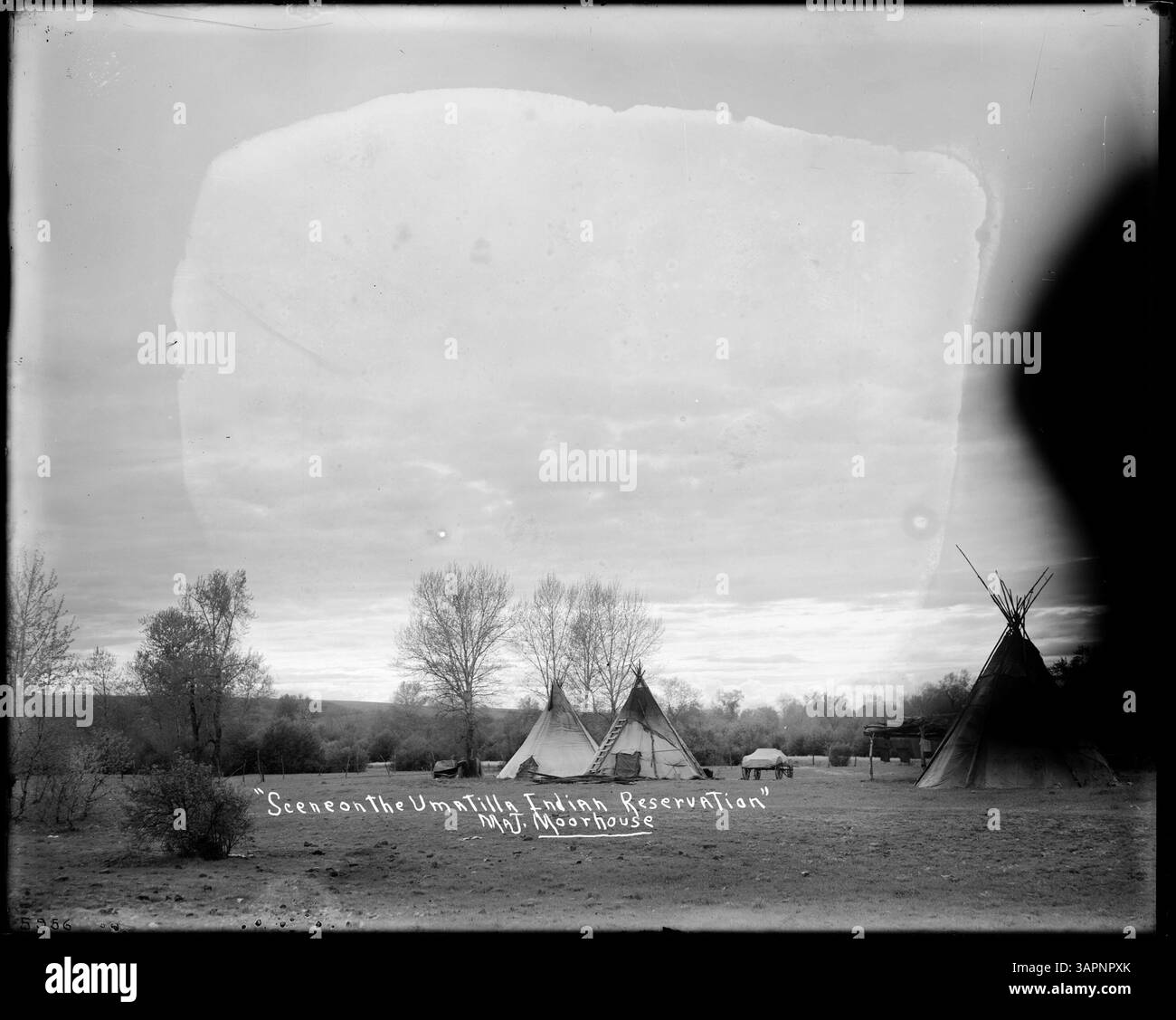
The concept of an ‘Indian Reservation’ often conjures up images shaped by historical narratives and popular media, which frequently fail to capture the vibrant, complex, and deeply rewarding realities of life within these sovereign nations. For many, living on a reservation is not merely a geographic location but a profound connection to heritage, community, and self-determination.
This article aims to delve beyond common misconceptions, shedding light on the tangible and intangible benefits that come with residing on Native American lands. We will explore how these communities foster cultural preservation, provide unique social structures, and offer distinct opportunities that are often overlooked.
Understanding these benefits is crucial for appreciating the resilience, diversity, and strength of Indigenous communities across North America. It’s about recognizing the unique path carved by tribal nations in maintaining their identity and well-being.
Cultural Preservation and Revitalization: A Living Heritage
One of the most significant advantages of living on an Indian Reservation is the unparalleled opportunity for cultural immersion and preservation. These lands serve as vital hubs where ancestral traditions, languages, and ceremonies are not just remembered but actively practiced and revitalized.
For residents, this means a daily connection to their heritage. Children grow up learning their native languages, participating in traditional dances, and understanding tribal histories directly from elders. This intergenerational transfer of knowledge is critical for maintaining cultural identity.
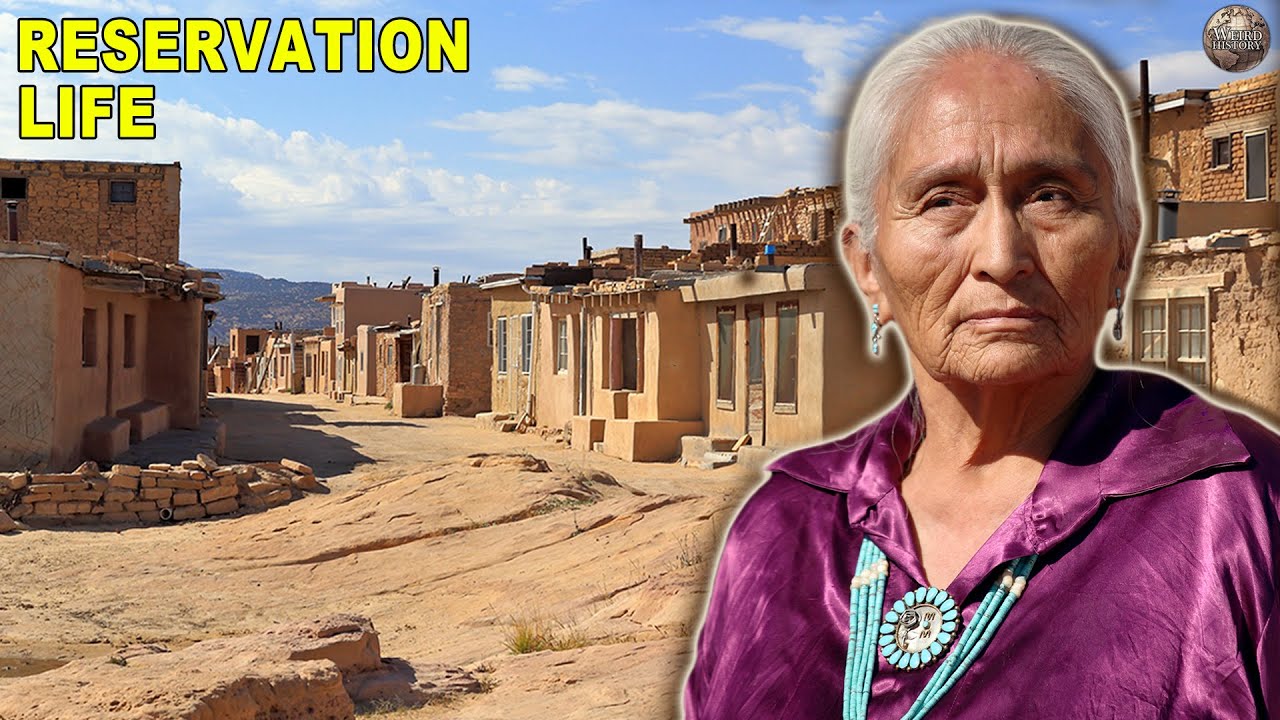
Many reservations host regular cultural events, powwows, and ceremonies that reinforce community bonds and provide a platform for sharing traditions with younger generations and outsiders alike. This continuous engagement ensures that indigenous cultures remain dynamic and alive.
LSI Keywords: Native American culture, Indigenous communities, cultural heritage, traditional values, intergenerational traditions, indigenous languages.
Strong Community Bonds and Extended Family Networks
Life on a reservation is often characterized by incredibly strong community ties. The concept of extended family is paramount, fostering a deep sense of belonging and mutual support that is increasingly rare in modern society.
Residents often live in close proximity to relatives, creating robust support systems. This means that in times of need, whether for childcare, elder care, or emotional support, a network of family and community members is readily available.
Community events, from tribal council meetings to shared meals and celebrations, play a crucial role in reinforcing these bonds. This collective spirit contributes significantly to the mental and emotional well-being of individuals within the community.
Sovereignty and Self-Determination: Shaping Your Future
Native American reservations are sovereign nations, a status that grants tribal governments the authority to govern their own affairs, establish laws, and manage resources. This self-determination is a foundational benefit, allowing communities to tailor policies to their unique needs and values.
Living under tribal governance means that decisions regarding education, healthcare, economic development, and justice are made by elected tribal leaders who are directly accountable to their community members. This direct representation fosters a sense of ownership and empowerment.
/res-5808b9813df78cbc287e2ef8.jpg "Benefits Of Living On An Indian Reservation")
This distinct political status allows tribes to pursue development paths that align with their cultural priorities, rather than being solely dictated by external governmental bodies. It’s about charting a course that respects ancestral wisdom while embracing modern advancements.
LSI Keywords: Tribal sovereignty, self-governance, sovereign nations, tribal nations, self-determination, tribal government.
Economic Opportunities and Development Tailored to the Community
While economic challenges persist in many areas, numerous reservations have successfully developed unique economic opportunities. Tribal enterprises, ranging from gaming and tourism to energy production and agriculture, create jobs and generate revenue that is reinvested directly into the community.
These tribal-owned businesses often prioritize employing tribal members, offering stable employment and career development opportunities within the reservation. This helps to retain talent and build a stronger local economy.
Furthermore, tribal governments often provide support for small businesses and entrepreneurial ventures among their members, fostering a spirit of innovation and economic diversification that benefits the entire community.
LSI Keywords: Economic development, tribal enterprises, job creation, local businesses, economic diversification.
Access to Culturally Sensitive Healthcare and Social Services
Residents of reservations often have access to healthcare services through the Indian Health Service (IHS) and tribal-run clinics. These services are increasingly designed to be culturally sensitive, integrating traditional healing practices alongside Western medicine.
Beyond general healthcare, many tribes offer a range of social services specifically tailored to the needs of their community, including mental health support, substance abuse programs, elder care, and youth programs. These services are often delivered by professionals who understand the unique cultural context and challenges faced by Native Americans.
This integrated approach aims to address health disparities and provide holistic care that respects indigenous worldviews and healing traditions.
LSI Keywords: Indian Health Service, tribal services, culturally sensitive care, community health.
Educational Advantages and Cultural Curriculum
Many reservations have their own tribal schools, colleges, and educational programs. A significant benefit of these institutions is their ability to integrate culturally relevant curricula, teaching tribal history, language, and traditions alongside standard academic subjects.
This approach helps to reinforce cultural identity and provide a learning environment where students feel understood and represented. Tribal colleges and universities also offer affordable higher education options, often with specific programs designed to meet local employment needs.
Scholarships and financial aid opportunities are frequently available to tribal members, making higher education more accessible and supporting the development of a skilled workforce within the community.
LSI Keywords: Tribal education, culturally relevant curriculum, indigenous languages, Native American students, scholarships.
Profound Connection to Land and Natural Environment
For many Indigenous peoples, the land is not merely property but a sacred entity, a source of life, and a repository of history and spiritual significance. Living on ancestral lands allows for a deep, everyday connection to the natural environment.
This connection fosters a strong sense of land stewardship, with many tribes actively engaged in sustainable resource management, conservation efforts, and the preservation of traditional ecological knowledge. Residents often have unique access to hunting, fishing, and gathering rights that are integral to their cultural practices.
The opportunity to live in harmony with nature, practice traditional land-based activities, and maintain a spiritual bond with ancestral territories is a profound benefit that shapes identity and worldview.
LSI Keywords: Land stewardship, ancestral lands, traditional ecological knowledge, natural resources, spiritual connection.
Addressing Misconceptions and Nuances
It is important to acknowledge that life on reservations is not without its challenges. Issues such as poverty, limited infrastructure, and historical trauma continue to impact many communities. However, focusing solely on these challenges overlooks the immense strength, resilience, and positive aspects of reservation life.
The experience of living on an Indian Reservation varies greatly from one tribe to another, reflecting the diverse cultures, histories, and economic realities of over 574 federally recognized tribes in the United States.
This article highlights the benefits that are often core to the identity and aspirations of these communities, emphasizing self-determination and the pursuit of a future rooted in cultural integrity.
Conclusion: A Tapestry of Culture, Community, and Sovereignty
Living on an Indian Reservation offers a unique and enriching experience, characterized by a vibrant tapestry of cultural preservation, robust community support, and the profound exercise of self-determination.
From the daily practice of ancestral traditions and the nurturing embrace of extended family to the tailored economic opportunities and culturally sensitive services, the benefits are deeply interwoven with the fabric of Indigenous life.
These communities are dynamic, resilient, and continuously evolving, demonstrating that for many Native Americans, their reservation is not just a place to live, but a vital space where identity is affirmed, heritage is celebrated, and a sovereign future is built.
Understanding these benefits is key to appreciating the enduring strength and unique contributions of Native American nations to the broader society.


