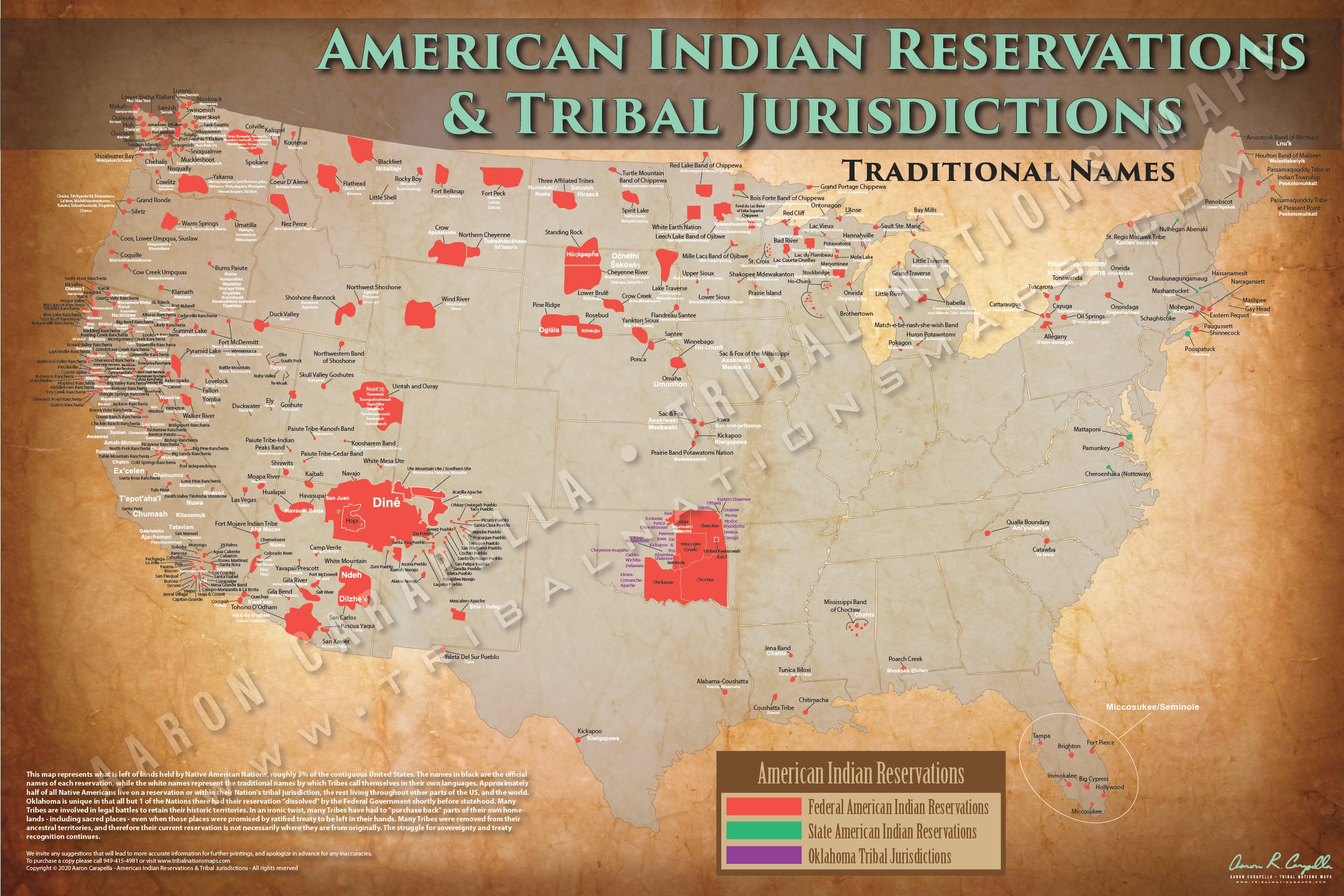
The landscape of the United States is rich with history, culture, and diverse communities. Among the most unique and significant are the lands associated with federally recognized Indian tribes: the Indian reservations. These areas represent a profound legacy of indigenous peoples, their enduring sovereignty, and a complex relationship with the U.S. federal government.
Understanding what constitutes a federally recognized Indian reservation is crucial for anyone seeking to comprehend the full tapestry of American society. It’s more than just a geographical location; it’s a domain of self-governance, cultural preservation, and distinct legal status.
This comprehensive guide aims to demystify the concept of federally recognized Indian reservations. We will explore their historical context, the meaning of federal recognition, their unique legal framework, and the vital role they play in the lives of Native American communities today. Our goal is to provide an informative, respectful, and accessible overview of these vital territories.
What exactly does ‘federally recognized’ mean in the context of an Indian tribe? Federal recognition refers to the U.S. government’s official acknowledgment of a tribe as a sovereign nation. This recognition establishes a formal, government-to-government relationship between the tribe and the United States, affirming the tribe’s inherent rights of self-governance.
This relationship is rooted in treaties, statutes, executive orders, and judicial decisions made over centuries. It is not a grant of sovereignty by the U.S. government, but rather an acknowledgment of a sovereignty that predates the formation of the United States itself.
As of 2024, there are 574 federally recognized Indian tribes in the United States. These tribes are located in 35 states, and many are associated with designated land areas known as reservations.

An Indian reservation is a specific area of land managed by a federally recognized Native American tribe under the U.S. Bureau of Indian Affairs (BIA), rather than by state or local governments. These lands are held in trust by the federal government for the benefit of the tribe.
While the term ‘reservation’ might imply a segregated area, it primarily signifies a land base over which a tribe exercises its governmental powers. The legal status of these lands is distinct, often exempting them from certain state and local laws, and subject instead to tribal and federal jurisdiction.
It’s important to differentiate between a tribe and a reservation. A tribe is the political entity – the sovereign nation – while a reservation is the land base associated with that tribe, though not all federally recognized tribes have a reservation.
- Sovereignty and Self-Governance: Federally recognized tribes possess inherent sovereign authority to govern their members and territories, including establishing their own laws, courts, and governmental structures.
- Government-to-Government Relationship: It formalizes the unique relationship with the U.S. federal government, ensuring direct engagement on matters affecting tribal nations.
- Access to Federal Services: Recognition provides tribes and their members access to a range of federal programs and services, including healthcare (via the Indian Health Service, IHS), education, housing, and economic development assistance.
- Cultural Preservation: It aids in protecting and promoting tribal languages, traditions, and cultural practices, often through federal funding and support.
- Economic Development: Federal recognition can facilitate economic ventures, including gaming, tourism, and natural resource management, which are vital for tribal self-sufficiency.
The process for a Native American group to gain federal recognition is rigorous and complex. Historically, recognition occurred through treaties or acts of Congress. Today, the primary pathway is through the Bureau of Indian Affairs’ Office of Federal Acknowledgement (OFA).
The OFA process requires extensive documentation and evidence proving continuous existence as a distinct community, political authority, and historical tribal identity. It is a lengthy and resource-intensive undertaking, often taking decades to complete.
With 574 federally recognized tribes, the sheer number and diversity of reservations across the United States are vast. These lands span a wide array of geographical regions, from deserts and mountains to forests and coastal areas, each reflecting the unique environment and cultural heritage of its inhabitants.
The size of reservations varies dramatically, ranging from a few acres to millions of acres, such as the Navajo Nation Reservation, which is larger than several U.S. states. This diversity underscores the rich tapestry of indigenous cultures and histories.
Life on Indian reservations, like any community, presents both unique challenges and remarkable opportunities. Challenges often include historical underfunding, infrastructure deficits, economic disparities, and health disparities.
However, reservations are also vibrant centers of cultural revitalization, self-determination, and innovation. Tribes are actively pursuing economic development, investing in education, healthcare, and sustainable practices, all while preserving their ancestral languages and traditions.
Where can one find an official ‘List Of Federally Recognized Indian Reservations’? While a comprehensive, real-time list of all 574 federally recognized tribes and their associated reservations is not static and best accessed through official government portals, the primary source for this information is the Bureau of Indian Affairs (BIA).
The BIA, under the U.S. Department of the Interior, periodically publishes a list of federally recognized tribes in the Federal Register. This official publication is updated as new tribes gain recognition or other changes occur.
To access the most current and authoritative information, individuals should consult the official websites of the Bureau of Indian Affairs (BIA.gov) and the U.S. Department of the Interior. These sites provide not only lists of tribes but also extensive resources on tribal governments, programs, and statistics.
For those seeking more detailed information, the National Congress of American Indians (NCAI) also maintains resources and information about its member tribes, serving as a powerful advocacy organization for tribal nations.
- Income earned on a reservation: Income earned by tribal members living and working on their own reservation may be exempt from state income tax, but federal income tax still applies.
- Property taxes: Property held in trust by the federal government for a tribe or its members on a reservation is generally exempt from state and local property taxes.
- Sales taxes: Sales taxes vary. Some tribes have agreements with states regarding sales tax collection on reservations.
Another frequent query is: Are all Native American tribes federally recognized? No. While there are 574 federally recognized tribes, many other indigenous groups exist that are either state-recognized (meaning recognized by an individual state, but not the federal government) or are unrecognized.
Unrecognized tribes may still have a rich history, culture, and community, but they do not have the same government-to-government relationship with the U.S. federal government or access to the same federal programs and protections.
Can anyone live on an Indian reservation? Generally, living on an Indian reservation is primarily for tribal members. Non-members may reside on a reservation if they are married to a tribal member, employed by the tribe, or if the tribe grants them permission through a lease or other agreement. Specific rules vary greatly from one reservation to another.
Understanding federally recognized Indian reservations means appreciating the enduring resilience, cultural richness, and sovereign status of Native American nations. It’s about recognizing their unique place within the fabric of the United States and respecting their rights to self-determination.
By consulting official sources like the Bureau of Indian Affairs, we can gain accurate insights into the current landscape of tribal lands and governments. This knowledge fosters greater respect, promotes informed dialogue, and supports the ongoing efforts of tribal communities to thrive.
The journey to comprehend the full scope of Native American history and contemporary life begins with acknowledging the significance of these sovereign nations and the lands they call home.


