For generations, the cry of "Hi-yo, Silver!" and the steadfast companionship between the Lone Ranger and Tonto have captivated audiences. But beyond the masked hero and his magnificent steed, a single word, uttered by Tonto, has sparked curiosity and debate: Kemosabe. What does it truly mean? Is it a term of endearment, respect, or something else entirely? This article delves into the origins, interpretations, and cultural significance of "Kemosabe," seeking to uncover the truth behind this iconic word.
The character of Tonto, and with him the word Kemosabe, first appeared in the radio series The Lone Ranger in the 1930s. Played initially by several different actors, Tonto became the Native American companion of the Lone Ranger, a symbol of cross-cultural friendship and justice in the Wild West. But the origin of the word Kemosabe is shrouded in some mystery, and the various explanations offered over the years have only added to the intrigue.
The most widely accepted explanation for the meaning of Kemosabe comes from Fran Striker, the writer most associated with The Lone Ranger radio program. Striker claimed that "Kemosabe" meant "trusty scout" or "faithful friend." He stated that he derived the word from a boys’ camp in Ontario, Canada, where he had worked. Reportedly, the camp used the term to describe someone reliable and observant.
However, this explanation has been met with skepticism over the years. Some Native American language experts have questioned its linguistic plausibility, arguing that the word doesn’t align with known Native American languages, particularly those spoken by tribes in the regions where the Lone Ranger’s adventures were set.
Despite Striker’s explanation, alternative theories about the origin of "Kemosabe" persist. One popular theory suggests a connection to the Ojibwe language, where "gimoozaabi" roughly translates to "he looks secretly" or "scout." This interpretation aligns with Tonto’s role as a tracker and guide for the Lone Ranger.
Another, less flattering, theory claims that "Kemosabe" is a corruption of a phrase from a Spanish language. This interpretation suggests that it roughly translates to "he who knows nothing" or "dummy." This version is often dismissed as insensitive and inaccurate, given the character’s intelligence and resourcefulness.
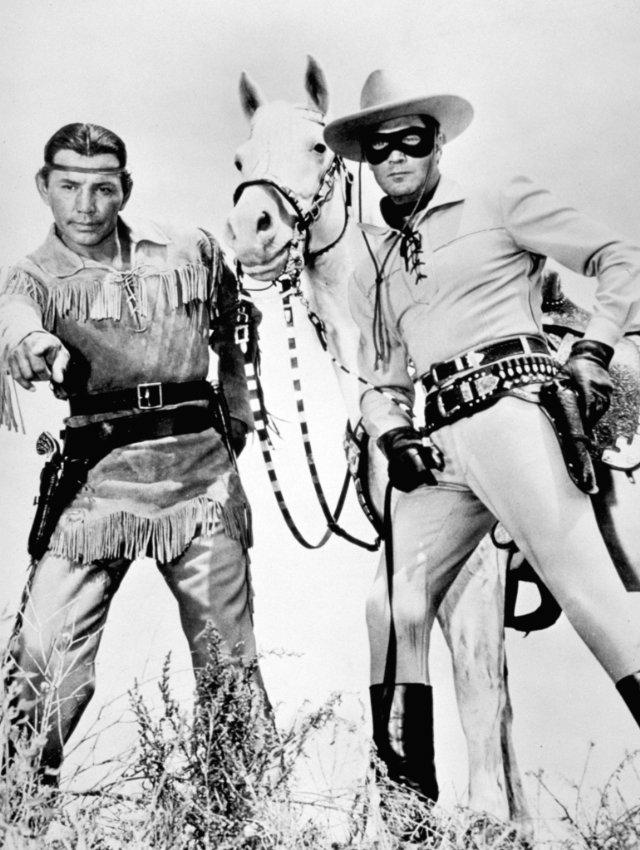
The ambiguity surrounding the meaning of "Kemosabe" has naturally led to a fair amount of controversy. Critics argue that the use of a word with questionable origins, attributed to a Native American character, perpetuates stereotypes and cultural appropriation. The debate highlights the importance of authentic representation and sensitivity when portraying Native American cultures in media.
The portrayal of Tonto himself has also come under scrutiny. Critics point out that the character often embodies stereotypical depictions of Native Americans, including broken English and a subservient role to the white protagonist. This critique underscores the need for more nuanced and respectful representation of Native Americans in film and television.
Despite the controversies, "Kemosabe" remains an iconic term deeply embedded in popular culture. It evokes a sense of nostalgia for the classic Western genre and the enduring friendship between the Lone Ranger and Tonto. The word has been used in countless movies, television shows, and books, often as a playful or ironic reference.
The word has also found its way into everyday language. It’s not uncommon to hear people jokingly refer to close friends as "Kemosabe," signifying a bond of loyalty and trust. This widespread usage demonstrates the word’s lasting impact on the cultural lexicon.
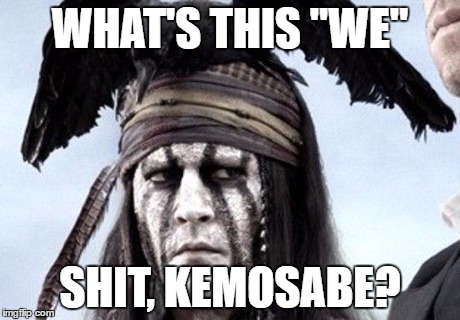
The 2013 film The Lone Ranger, starring Johnny Depp as Tonto, reignited the debate surrounding the character and the word "Kemosabe." The film attempted to offer a more nuanced portrayal of Tonto, delving into his backstory and motivations. However, the casting of a non-Native American actor in the role sparked further controversy.
The film’s interpretation of "Kemosabe" also drew criticism. While the movie offered a possible explanation tied to a specific tribal language, many viewers felt that it failed to adequately address the historical context and potential insensitivity associated with the term.
The meaning of "Kemosabe" is not definitively settled. While Fran Striker’s explanation of "trusty scout" is widely cited, alternative interpretations and the lack of conclusive linguistic evidence leave room for doubt. The true meaning likely lies somewhere between well-intentioned creation and potential cultural misinterpretation.
Regardless of its precise etymology, "Kemosabe" has undeniably become a symbol of friendship, loyalty, and the romanticized vision of the American West. It’s a word that resonates with generations of viewers and listeners, evoking memories of masked heroes, daring adventures, and the bond between two unlikely companions.
The controversies surrounding "Kemosabe" serve as a reminder of the importance of cultural sensitivity and accurate representation in media. As audiences become more aware of the potential for stereotypes and cultural appropriation, it’s crucial to approach historical portrayals with a critical eye.
Moving forward, it’s essential to engage in open and honest conversations about the portrayal of Native Americans in popular culture. This includes acknowledging the problematic aspects of past representations and striving for more authentic and respectful portrayals in the future.
Ultimately, the story of "Kemosabe" is a complex one, filled with conflicting narratives and unresolved questions. It’s a story that reflects the evolving understanding of cultural representation and the enduring power of language to shape perceptions and memories.
Is Kemosabe a Real Native American Word?
The origin of the word is debated. While often attributed to Native American languages, there’s no definitive proof and some experts question its authenticity.
What Language Does Kemosabe Come From?
The most common explanation links it to a boys’ camp in Ontario, Canada, but some theories suggest Ojibwe or even a corrupted Spanish phrase.
Is it Offensive to Say Kemosabe?
Due to its uncertain origins and potential for cultural insensitivity, it’s best to be mindful and avoid using it in contexts where it could be seen as disrespectful.
What Does Kemosabe Mean in the Lone Ranger?
Within the context of the Lone Ranger, it is presented as meaning ‘trusty scout’ or ‘faithful friend’.
In conclusion, the meaning of "Kemosabe" remains a subject of debate, with various theories and interpretations vying for acceptance. While the most common explanation attributes it to a phrase meaning "trusty scout" or "faithful friend," its true origins are shrouded in mystery. The controversies surrounding the word highlight the importance of cultural sensitivity and accurate representation in media. Despite the debates, "Kemosabe" endures as an iconic term, deeply embedded in popular culture and evoking a sense of nostalgia for the classic Western genre. It’s a reminder of the enduring power of storytelling and the complexities of cultural exchange.
- The origin of Kemosabe is uncertain, with multiple competing theories.
- The most commonly cited meaning is ‘trusty scout’ or ‘faithful friend’.
- The term has faced criticism due to potential cultural insensitivity.
- Despite the controversies, it remains a recognizable and iconic term.
- It is important to be mindful of the context when using the term.


