
For centuries, the Inuit people of the Arctic regions have relied on their profound understanding of the natural world to survive and thrive. Central to their way of life is the art and science of animal tracking – a skill passed down through generations, deeply intertwined with their culture, and essential for hunting, navigation, and understanding the delicate balance of the Arctic ecosystem. This article delves into the fascinating world of Inuit traditional animal tracking, exploring its techniques, cultural significance, and enduring relevance in a rapidly changing world.
The Foundation of Inuit Life: Animal Tracking
Inuit traditional animal tracking is far more than simply identifying footprints. It’s a holistic practice encompassing a deep understanding of animal behavior, weather patterns, and the subtle nuances of the Arctic landscape. This knowledge allows Inuit hunters to not only locate animals but also to predict their movements, assess their health, and understand their role in the ecosystem.
What Animals Do Inuit Track?
- Caribou (Tuktu): A primary source of food, clothing, and tools. Tracking caribou migrations is essential for survival.
- Seals (Nattiq): Another vital food source, providing meat, blubber for fuel, and skins for clothing and shelter.
- Walrus (Aiviq): Hunted for their meat, blubber, and ivory. Tracking walruses often involves navigating challenging ice conditions.
- Polar Bears (Nanuk): A significant predator and a source of valuable resources. Polar bear tracking requires exceptional skill and caution.
- Arctic Fox (Tiriganiaq): Trapped for their fur, which is used for clothing and trade.
- Muskox (Umingmak): Hunted for their meat and thick wool, which provides insulation.
The Art and Science of Inuit Tracking Techniques
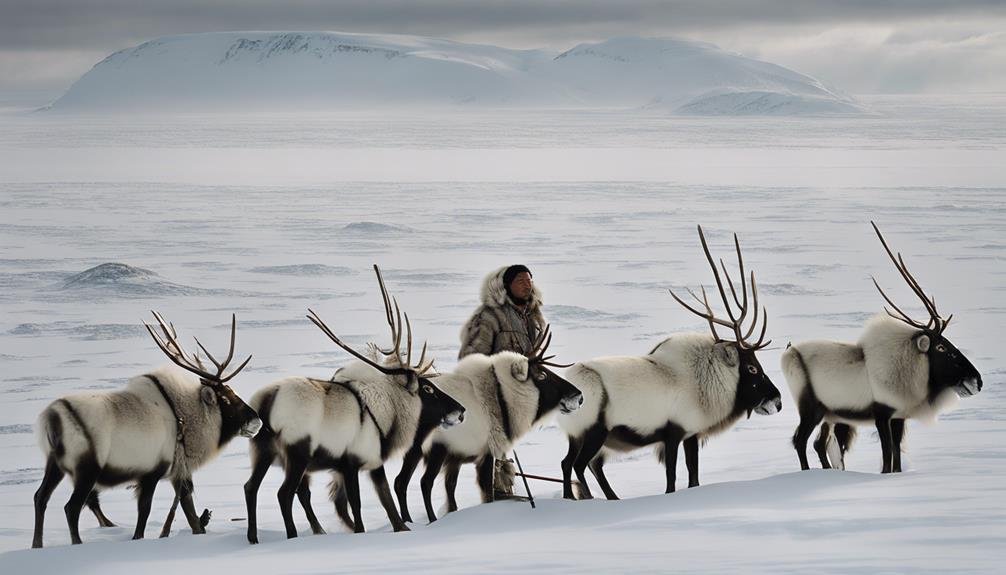
The ability to interpret tracks in the snow is paramount. Inuit trackers can distinguish between different animal species, determine the age and sex of an animal, and even assess its health and condition based on the tracks it leaves behind. They pay close attention to the size, shape, and depth of the tracks, as well as the spacing between them. Fresh tracks indicate recent passage, while older tracks may be partially obscured by snow or wind.
Inuit trackers possess an intimate knowledge of animal behavior, understanding their feeding habits, migration patterns, and social structures. This knowledge allows them to anticipate animal movements and predict where they are likely to be found. For example, they know that caribou tend to graze in open areas with abundant vegetation, while seals often haul out on ice floes near breathing holes.
Inuit trackers use natural landmarks, such as hills, rivers, and coastlines, to orient themselves and navigate the landscape. They also pay attention to changes in the weather, such as wind direction and temperature, which can affect animal movements. The position of the sun and stars is also critical for navigation and orientation, especially during the long Arctic winter.
Inuit trackers are attuned to the subtle sounds of the Arctic environment, listening for the calls of animals, the cracking of ice, and the rustling of wind. These sounds can provide valuable clues about the presence and location of animals. For example, the sound of a seal breaking through the ice to breathe can alert a hunter to its presence.
- Qamutik (Sled): Used for transporting equipment and harvested animals.
- Qayaq (Kayak): Used for hunting seals and other marine mammals in open water.
- Umaq (Large Open Boat): Used for transporting families and larger game.
- Harpoon: A specialized spear used for hunting seals, walruses, and whales.
- Knives (Ulu): Used for butchering animals and preparing food.
The Cultural Significance of Animal Tracking
Inuit animal tracking is not merely a practical skill; it is deeply intertwined with their culture, spirituality, and worldview. The knowledge and skills associated with tracking are passed down through generations through storytelling, observation, and hands-on experience.
Inuit hunters hold a deep respect for the animals they hunt, recognizing their importance to their survival and the balance of the ecosystem. They believe that animals have spirits and that they must be treated with respect. Before a hunt, they often perform rituals to honor the animals and ask for their cooperation. After a successful hunt, they ensure that every part of the animal is used, minimizing waste and showing gratitude for the gift of life.
Animal tracking fosters a deep connection to the land, allowing Inuit hunters to understand the intricate relationships between animals, plants, and the environment. This connection is essential for their survival and their cultural identity. By observing the movements of animals, they gain insights into the health of the ecosystem and the impacts of climate change.

Hunting and animal tracking are often communal activities, with families and communities working together to ensure their survival. The sharing of resources is a fundamental principle of Inuit culture, ensuring that everyone has access to food and other essential goods. Successful hunters are respected and admired for their skills and generosity.
The Impact of Climate Change on Traditional Tracking
Climate change is having a profound impact on the Arctic environment, threatening the traditional way of life of the Inuit people. Rising temperatures, melting sea ice, and changing weather patterns are disrupting animal migration patterns, making it more difficult for hunters to track and harvest them.
Many animal species are shifting their ranges in response to climate change, moving to new areas in search of food and suitable habitat. This makes it difficult for Inuit hunters to predict their movements and find them in traditional hunting grounds.
Extreme weather events, such as storms and blizzards, are becoming more frequent and intense in the Arctic, making it dangerous for hunters to travel and track animals. Unpredictable weather also makes it difficult to interpret tracks and assess animal behavior.
The decline in sea ice is particularly devastating for Inuit hunters who rely on it to access hunting grounds and track marine mammals. As the ice melts, it becomes more difficult and dangerous to travel, and animals are forced to move to new areas.
Preserving Traditional Knowledge for Future Generations
Despite the challenges posed by climate change, the Inuit people are working to preserve their traditional knowledge of animal tracking and adapt to the changing environment. They are using their skills and expertise to monitor animal populations, assess the impacts of climate change, and develop sustainable hunting practices.
Inuit communities are actively involved in monitoring animal populations and tracking changes in the environment. They are using their traditional knowledge to collect data on animal abundance, distribution, and health, which is then shared with scientists and policymakers.
Inuit elders are working to pass on their knowledge of animal tracking to younger generations through education and training programs. These programs teach young people the skills they need to survive in the Arctic and to protect their cultural heritage.
Inuit hunters are collaborating with scientists to combine their traditional knowledge with scientific research. This collaboration is helping to improve our understanding of the Arctic ecosystem and to develop effective strategies for conservation and adaptation.
The Enduring Relevance of Inuit Traditional Animal Tracking
Inuit traditional animal tracking is more than just a set of skills; it is a way of life that is deeply connected to the land, animals, and the community. Despite the challenges posed by climate change, this knowledge remains essential for the survival and cultural identity of the Inuit people. By preserving and promoting this traditional knowledge, we can help to ensure that it continues to thrive for generations to come.
What are the basic principles of Inuit animal tracking?
The core principles involve understanding animal behavior, interpreting tracks in snow and terrain, using natural landmarks for navigation, and respecting the environment. Observation skills are critical to identifying species, age, and health from tracks.
How has climate change affected Inuit tracking techniques?
Climate change has disrupted traditional migration patterns, made weather unpredictable, and caused sea ice to melt. This makes it harder to find animals, interpret tracks accurately, and safely access hunting grounds.
What role does traditional knowledge play in modern conservation efforts?
Traditional knowledge provides valuable insights into animal behavior, population dynamics, and environmental changes. It complements scientific research and helps in developing effective conservation strategies tailored to the Arctic ecosystem.
Conclusion
Inuit traditional animal tracking represents a profound connection between people and the Arctic environment. It’s a testament to human adaptability, resilience, and the importance of preserving cultural heritage. As the Arctic continues to change, the knowledge and skills of Inuit trackers become even more critical for understanding and navigating the challenges ahead. By supporting and learning from these traditions, we can contribute to a more sustainable and equitable future for the Arctic and its people.
- Inuit tracking is a holistic practice integrating knowledge of animal behavior, weather, and landscape.
- It’s vital for hunting, navigation, and understanding the Arctic ecosystem.
- Climate change poses significant challenges to traditional tracking methods.
- Preserving this knowledge is crucial for future generations and conservation efforts.
- Respect for animals and the environment is central to Inuit tracking practices.


