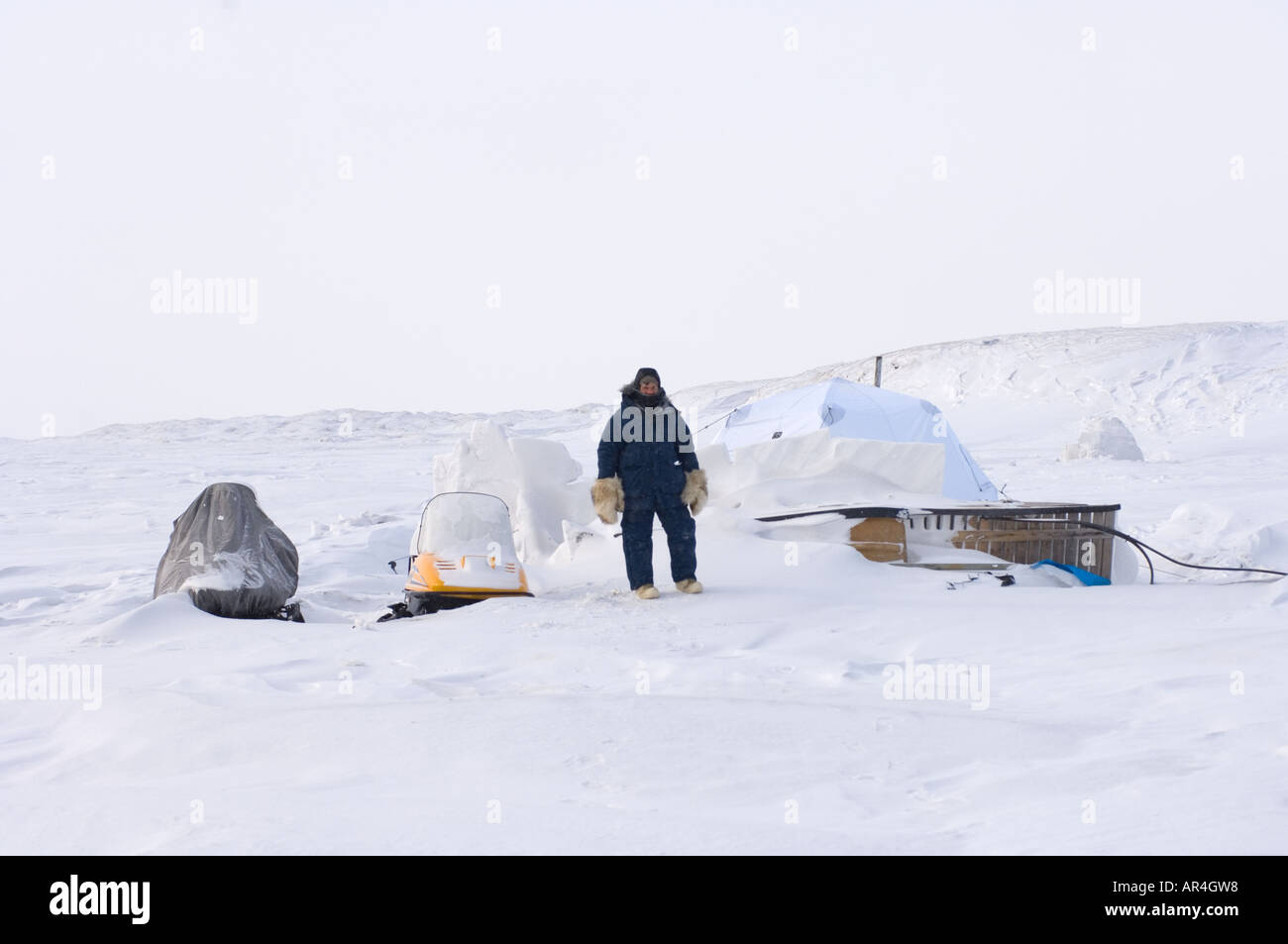
The Arctic, a vast and enigmatic frontier, is home to a unique array of wildlife that has sustained indigenous peoples for millennia. Among these communities, the Inupiat of Alaska’s North Slope stand as crucial stewards, deeply intertwined with the health and future of the region’s diverse animal populations. Their approach to wildlife management is not merely a set of regulations; it’s a living tradition, a profound expression of cultural identity, and a vital strategy for survival in one of the planet’s most extreme environments.
For the Inupiat, wildlife is more than just a resource; it is family, provider, and teacher. This intimate connection fosters a unique perspective on conservation, one that emphasizes respect, reciprocity, and long-term sustainability. Understanding Inupiat wildlife management requires delving into their rich history, their traditional ecological knowledge (TEK), and their proactive engagement with contemporary environmental challenges.
The Foundation: Traditional Ecological Knowledge (TEK)
At the heart of Inupiat wildlife management lies Traditional Ecological Knowledge (TEK). This sophisticated body of knowledge has been accumulated over countless generations through direct observation, experience, and oral transmission. TEK encompasses detailed insights into animal behavior, migration patterns, habitat preferences, and the intricate dynamics of the Arctic ecosystem.
Unlike Western scientific methods, which often focus on discrete data points, TEK provides a holistic understanding. It integrates ecological facts with cultural practices, spiritual beliefs, and ethical frameworks. For instance, Inupiat elders can predict weather patterns, identify subtle changes in ice conditions, or discern shifts in caribou migration routes with an accuracy born from centuries of observation.
This deep understanding is not static; it evolves with each generation, adapting to new environmental realities while remaining rooted in core principles of respect and stewardship. TEK is invaluable for monitoring long-term trends and understanding the subtle indicators of ecosystem health that might be missed by shorter-term scientific studies.
Key Species and Inupiat Management Strategies
The Inupiat manage a wide array of Arctic species, each vital to their subsistence lifestyle and cultural heritage. Management practices often involve co-management agreements with state and federal agencies, blending TEK with Western scientific data to achieve robust conservation outcomes.
Bowhead Whale (Arviq): A Cultural Keystone
The bowhead whale is perhaps the most iconic species for the Inupiat. Whaling is not just a hunt; it’s a spiritual and communal event that defines their identity and ensures food security. The Alaska Eskimo Whaling Commission (AEWC), an Inupiat-led organization, plays a pivotal role in managing bowhead whale harvests.
The AEWC, in collaboration with the National Oceanic and Atmospheric Administration (NOAA) and the International Whaling Commission (IWC), sets sustainable quotas based on both scientific population assessments and traditional knowledge of whale behavior and health. This co-management model is a globally recognized success story for sustainable indigenous resource management.
Caribou (Tuttu): The Roving Provider
Caribou herds, such as the Porcupine and Central Arctic herds, are another critical resource, providing meat, hides, and tools. Inupiat hunters possess extensive knowledge of caribou migration routes, calving grounds, and herd health. Their observations are crucial for understanding population dynamics and habitat changes.
Management involves monitoring herd movements, assessing forage quality, and ensuring sustainable harvesting practices. Local hunting ordinances, often developed by tribal councils, complement state and federal regulations, reflecting a nuanced understanding of local conditions and herd specificities.
Polar Bear (Nanuk): An Icon Under Threat

Polar bears are culturally significant and an important subsistence resource. However, they face significant threats from climate change, particularly the loss of sea ice, their primary hunting platform. Inupiat hunters have observed firsthand the impacts of these changes on bear health and distribution.
Co-management of polar bears involves the Inupiat, the U.S. Fish and Wildlife Service (USFWS), and Canadian counterparts under the Agreement on the Conservation of Polar Bears. This framework incorporates traditional knowledge to inform harvest quotas, identify denning areas, and monitor population health, ensuring both conservation and cultural continuity.
Seals (Natchiq, Ugruk, Qasigiaq) and Walrus (Aiviq): Marine Mammal Staples
Various seal species (ringed, bearded, spotted) and walrus are fundamental to the Inupiat diet and economy. Hunters monitor ice conditions, pup survival rates, and general health, using this information to guide their harvesting practices. The Eskimo Walrus Commission (EWC) is a key organization working with federal agencies to manage walrus populations.
Observations of declining sea ice and changes in feeding grounds are critical contributions from Inupiat communities, directly informing scientific research and conservation strategies for these marine mammals.
Migratory Birds: Seasonal Bounty
The Arctic serves as a vital breeding ground for millions of migratory birds. Inupiat communities have long practiced sustainable harvesting of geese, ducks, and other birds during their seasonal migrations. Local knowledge of nesting sites, flight paths, and population health ensures that these resources remain abundant for future generations.
Challenges to Arctic Wildlife Management
The Inupiat and the wildlife they manage face unprecedented challenges, primarily driven by rapid environmental change and increasing industrial activity.
Climate Change Impacts
The Arctic is warming at more than twice the global average, leading to profound changes:
- Sea Ice Loss: Impacts marine mammals like polar bears, seals, and walrus, affecting their hunting, breeding, and resting habitats.
- Permafrost Thaw: Alters terrestrial habitats, affects caribou forage, and damages infrastructure.
- Ocean Acidification: Threatens the base of the marine food web, potentially impacting all species.
- Shifting Species Ranges: New species move into the Arctic, altering predator-prey dynamics and introducing diseases.
Inupiat observations of these changes are crucial for understanding their real-world effects.
Industrial Development
The Arctic holds significant oil, gas, and mineral reserves, leading to increased industrial exploration and development. This brings concerns about habitat fragmentation, noise pollution, and the risk of spills, all of which can severely impact wildlife and traditional hunting grounds. The Inupiat advocate for responsible development that minimizes environmental harm and respects their subsistence rights.
External Pressures and Misconceptions
Inupiat wildlife management sometimes faces scrutiny or misunderstanding from external conservation groups or international bodies. Educating these groups about the deep-seated sustainable practices and the intrinsic link between Inupiat culture and wildlife health is an ongoing effort.
The Future: Resilience and Self-Determination
Despite these challenges, the Inupiat remain resilient. Their commitment to environmental stewardship and sustainable harvesting practices is unwavering. They are increasingly asserting their rights to self-determination in wildlife management, recognizing that local control, informed by TEK, is the most effective path forward.
Organizations like the Inupiat Community of the Arctic Slope (ICAS) and the North Slope Borough’s Department of Wildlife Management play critical roles in integrating traditional knowledge with scientific research, advocating for Inupiat interests, and fostering collaborative management agreements.
The ongoing dialogue between Inupiat communities, scientists, and policymakers is vital. It ensures that management decisions are culturally appropriate, ecologically sound, and responsive to the unique dynamics of the Arctic. The goal is not just to conserve wildlife, but to sustain a way of life that has thrived for thousands of years.
Conclusion
Inupiat wildlife management in the Arctic represents a powerful model of integrated conservation. By harmoniously blending millennia of traditional ecological knowledge with contemporary scientific methods, Inupiat communities are at the forefront of protecting critical Arctic species and ecosystems. Their profound cultural connection to the land and sea drives a deeply sustainable approach, demonstrating that effective conservation is intrinsically linked to the well-being and self-determination of indigenous peoples. As the Arctic continues to experience rapid change, the wisdom and leadership of the Inupiat will be more essential than ever in safeguarding this precious global heritage.
Their legacy is a testament to sustainable living, a blueprint for future generations on how to coexist with nature, and a vital call to recognize the irreplaceable value of indigenous voices in global conservation efforts.


