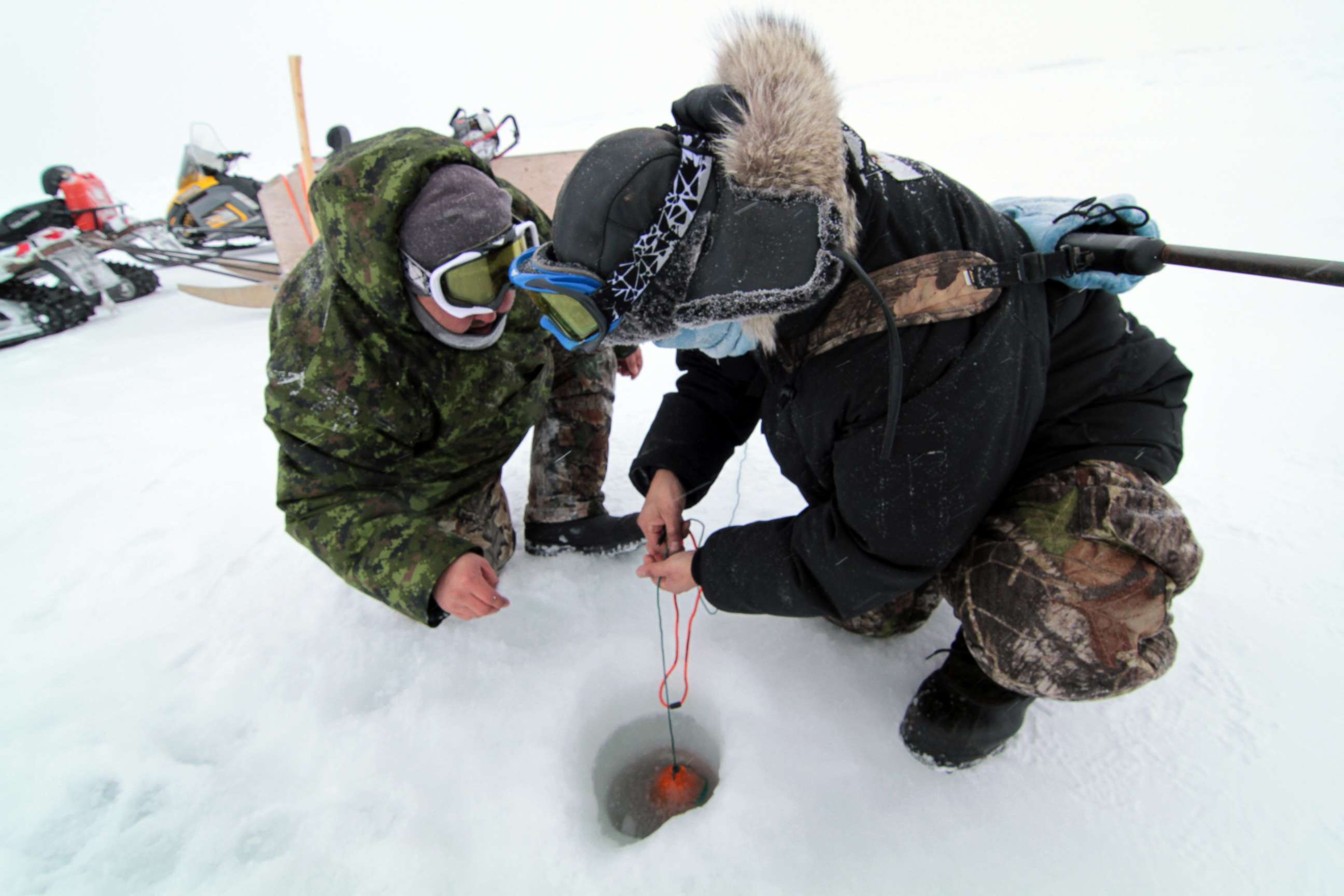
Inuit hunting is far more than a recreational activity; it is a cornerstone of Inuit culture, identity, and sustenance. For millennia, the ability to hunt and harvest animals from the land and sea has been fundamental to survival in the harsh Arctic environment. Today, these ancient practices are governed by a sophisticated web of modern regulations designed to ensure sustainability, uphold Indigenous rights, and adapt to contemporary challenges.
Understanding Inuit modern hunting regulations requires appreciating the deep historical and cultural context from which they emerged. Traditional Inuit hunting practices, passed down through generations, are intrinsically linked to Inuit Qaujimajatuqangit (IQ) – traditional knowledge, wisdom, and practices.
This traditional knowledge encompasses not only hunting techniques but also profound understanding of animal behaviour, migration patterns, weather, and the delicate balance of the ecosystem. It forms the bedrock upon which modern co-management systems are built.
The Foundation: Land Claims Agreements and Indigenous Rights
The most significant modern legal framework impacting Inuit hunting regulations stems from comprehensive land claims agreements. These agreements, negotiated between Inuit organizations, the federal government, and territorial governments, are quasi-constitutional documents that define rights and responsibilities in vast regions of the Canadian Arctic.
The Nunavut Land Claims Agreement (NLCA), signed in 1993, is the largest of these agreements and serves as a prime example. It formally recognizes Inuit harvesting rights and establishes a co-management system for wildlife, land, and water resources across Nunavut.

Under the NLCA, Inuit have a priority right to harvest wildlife for subsistence purposes, meaning for food, social, and ceremonial uses. This priority is a fundamental aspect differentiating Inuit hunting from general recreational hunting.
Key Regulatory Bodies: A Collaborative Approach
- Nunavut Wildlife Management Board (NWMB): A primary institution established by the NLCA, the NWMB is the main instrument of wildlife management in Nunavut. It makes decisions on Total Allowable Harvests (TAH), quotas, and other management measures. Its decisions are binding, subject to ministerial approval.
- Regional Wildlife Organizations (RWOs): These organizations represent Inuit hunters at the regional level, providing input to the NWMB and coordinating with community-level bodies.
- Hunters and Trappers Organizations (HTOs): At the community level, HTOs are crucial. They issue tags, enforce local bylaws, and represent the interests of local hunters. They are the grassroots arm of the co-management system.
- Government Departments: Federal departments like Fisheries and Oceans Canada (DFO) and Environment and Climate Change Canada (ECCC), along with territorial departments (e.g., Government of Nunavut’s Department of Environment), also play roles in research, enforcement, and policy.
This multi-layered structure ensures that decisions are informed by both scientific data and Inuit traditional ecological knowledge.
Understanding Quotas and Total Allowable Harvest (TAH)
Central to modern wildlife management are quotas and the Total Allowable Harvest (TAH). The TAH is the maximum number of animals of a particular species that can be harvested in a specific area over a defined period.
Once a TAH is set by the NWMB (or other relevant management boards), a portion is allocated to Inuit hunters to fulfill their subsistence harvesting rights. Any remaining portion may be allocated for commercial or sport hunting, often managed through an outfitter system.
Species-Specific Regulations: A Closer Look
Regulations vary significantly depending on the species due to differing population dynamics, conservation statuses, and cultural importance.
Polar Bear Management: Polar bears are iconic and their management is often under international scrutiny. In Nunavut, polar bear harvesting is managed through a quota system, with individual tags allocated to communities. Hunters must possess a tag and follow strict reporting requirements. Sport hunting for polar bears, where non-Inuit hunters participate, is permitted only with an authorized Inuit guide and a tag from the community’s quota.
Caribou Populations: Caribou are a vital food source. Regulations often respond to the health of specific caribou herds, which can fluctuate dramatically. This might involve setting TAHs, establishing temporary hunting bans in certain areas, or limiting the number of animals per hunter. These decisions are highly sensitive, directly impacting food security in many communities.
Marine Mammals (Seals, Whales): Harvesting seals and whales (such as narwhal and beluga) is culturally significant. Seals are abundant and harvested widely. Whale harvests are managed with specific quotas and regulations for each species, often requiring specific licenses and strict reporting. These harvests are often subject to international debate, despite being sustainable and essential for Inuit food security.
The Role of Traditional Knowledge in Modern Management
A defining feature of the co-management system is the deliberate integration of Inuit Qaujimajatuqangit (IQ) with Western scientific methods. IQ provides invaluable long-term observational data and insights into ecosystem health that scientific studies, often short-term, may miss.
For example, Inuit hunters’ observations of changes in ice conditions, animal migration routes, or reproductive success are crucial inputs for wildlife management decisions, particularly in the face of rapid climate change.
Challenges and the Future of Inuit Hunting
Despite robust regulatory frameworks, Inuit hunting faces numerous challenges in the modern era.
Climate Change Impacts: Rapid warming in the Arctic is altering habitats, animal migration patterns, and accessibility to hunting grounds. Thinner ice makes travel dangerous, and changes in prey distribution impact hunting success, directly affecting food security.
Food Security and Cost of Living: Traditional foods from hunting are often the most affordable and nutritious option in remote communities where store-bought food is exorbitantly expensive. Restrictions or declines in animal populations can exacerbate food insecurity.
International Perceptions and Misinformation: Inuit hunting, particularly of seals and polar bears, often attracts negative attention from international animal rights groups who may misunderstand the cultural, subsistence, and sustainable aspects of these practices. This misinformation can lead to economic impacts (e.g., seal product bans) and social pressure.
Enforcement and Compliance: The vastness of the Arctic, coupled with limited resources, can make monitoring and enforcement of regulations challenging. However, community-based monitoring and strong local HTOs play a vital role in ensuring compliance.
The future of Inuit hunting will depend on the continued strength of co-management systems, the integration of traditional knowledge, and the ability of communities and governments to adapt to environmental changes and external pressures. It also hinges on the recognition and respect for Indigenous rights and the vital role hunting plays in Inuit well-being.
Inuit modern hunting regulations represent a dynamic and evolving system. They are a testament to the resilience of Inuit culture, the power of self-determination, and a commitment to sustainable resource management in one of the world’s most unique and fragile environments.
This intricate framework ensures that while traditional practices endure, they do so in a manner that safeguards wildlife populations for future generations, reflecting a profound respect for both nature and cultural heritage.


