The Arctic is a realm of breathtaking beauty and formidable challenges, a place where survival demands an intimate understanding of the natural world. For millennia, the Yupik people of Alaska have not only survived but thrived in this harsh environment, thanks in large part to their profound and sophisticated Traditional Animal Knowledge (TAK). This knowledge system, passed down through countless generations, represents a living library of observations, wisdom, and practices centered on the animals that sustain their way of life.
Yupik Traditional Animal Knowledge is far more than just a collection of facts; it’s a holistic worldview that emphasizes interconnectedness, respect, and sustainability. It encompasses a deep spiritual reverence for animals, an intricate understanding of their behaviors, migration patterns, and ecological roles, and practical strategies for ethical harvesting and resource management.
This article will delve into the core tenets of Yupik TAK, exploring its origins, its application in daily life, and its enduring relevance in the face of modern challenges. We will uncover how this indigenous ecological knowledge offers invaluable lessons for environmental stewardship and cultural preservation worldwide.
The Yupik people are an Alaska Native group primarily residing in the Yukon-Kuskokwim Delta, Bristol Bay, and Norton Sound regions of southwestern Alaska. Their culture is deeply interwoven with the land, rivers, and sea, relying heavily on subsistence hunting, fishing, and gathering. This close relationship with their environment has fostered a unique and highly effective system of knowledge.
What are the core principles of Yupik Traditional Animal Knowledge? At its heart, Yupik TAK is built upon several foundational principles that guide their interactions with the animal world.
One primary principle is Respect for All Life. Yupik worldview emphasizes that animals are not merely resources but sentient beings with spirits, deserving of reverence. This respect is demonstrated through rituals, proper handling of harvested animals, and a deep sense of gratitude for the sustenance they provide.

Another crucial element is Holism and Interconnectedness. The Yupik understand that all elements of the ecosystem – land, water, animals, and humans – are intricately linked. Changes in one part of the system inevitably affect others, a concept fundamental to their adaptive strategies.
Sustainability and Reciprocity are also paramount. Traditional practices are designed to ensure that animal populations remain healthy for future generations. This often involves taking only what is needed, sharing resources, and observing traditional hunting territories and seasons. The act of receiving from nature is balanced by giving back, often through respectful actions and ceremonies.
The transmission of Yupik TAK occurs primarily through Oral Tradition and Direct Observation. Elders play a critical role in passing down stories, songs, and practical skills to younger generations. Learning by doing, observing animal behavior, and participating in subsistence activities from a young age are integral to acquiring this knowledge.
Yupik Traditional Animal Knowledge encompasses detailed insights into a wide array of Arctic species. Marine mammals, such as seals, walrus, and various whale species, are central to their diet and culture. Understanding their migratory routes, breeding cycles, and even subtle changes in their behavior is vital for successful and safe hunting.
For instance, Yupik hunters possess an extraordinary ability to read the ice and sea, interpreting subtle cues from currents, winds, and animal movements to predict hunting conditions and locate prey. This knowledge, gained over lifetimes of observation, is often far more nuanced and localized than modern scientific data.
Caribou are another critical species, particularly for inland Yupik communities. Knowledge of caribou migration patterns, herd health, and preferred habitats allows for sustainable hunting practices. The Yupik also understand how caribou interact with the landscape, influencing vegetation and other animal populations.
Fish, especially salmon, are a cornerstone of Yupik sustenance. The precise timing of salmon runs, the best fishing spots, and traditional methods of preservation (drying, smoking, fermenting) are all part of their extensive fish knowledge. This includes understanding the various salmon species and their distinct characteristics.
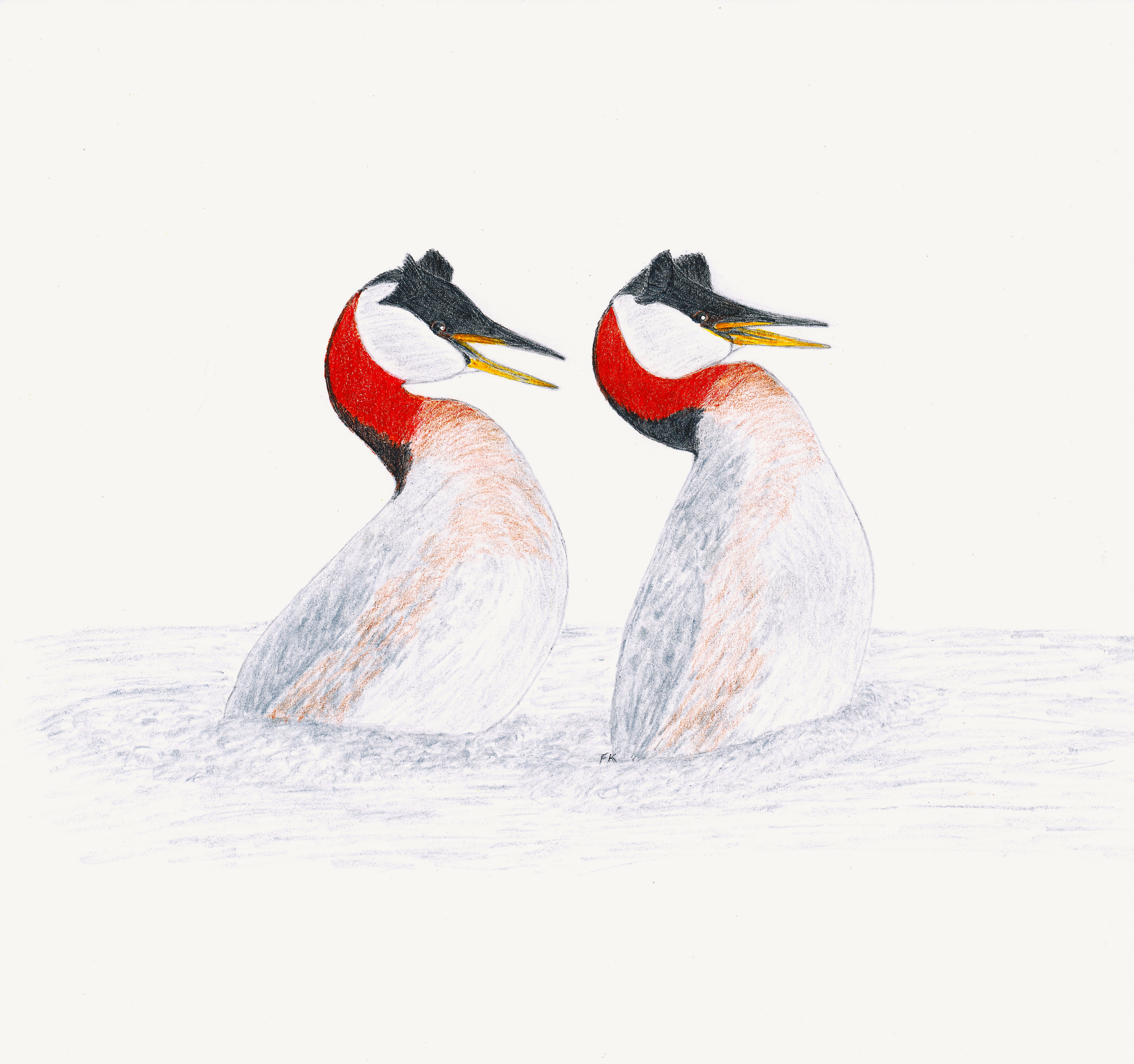
Birds also play a significant role, not only as a food source but as environmental indicators. Yupik observers can interpret bird behavior and nesting patterns to predict weather changes, ice conditions, and the presence of other animals.
How is Yupik Traditional Animal Knowledge acquired and maintained? The process is deeply embedded in the Yupik way of life, emphasizing experiential learning and intergenerational transfer.

Observation and Experience: From childhood, Yupik individuals are taught to observe their surroundings meticulously. They learn to interpret animal tracks, listen to the sounds of nature, and notice subtle changes in weather and landscape. This continuous, hands-on engagement builds a rich empirical database.
Storytelling and Oral Histories: Traditional stories, myths, and songs often contain vital ecological information, ethical guidelines, and historical accounts of human-animal interactions. These narratives serve as mnemonic devices, ensuring the continuity of knowledge.
Apprenticeship and Mentorship: Younger generations learn directly from elders and experienced hunters, fishers, and gatherers. This direct mentorship involves participating in subsistence activities, asking questions, and receiving guidance on proper techniques and respectful conduct.
Ceremonies and Rituals: Many Yupik ceremonies reinforce the spiritual connection with animals and the land. These rituals often express gratitude, seek permission for harvesting, and ensure the respectful return of animal remains, thereby maintaining the balance and reciprocity essential to their worldview.
The application of Yupik TAK extends to virtually every aspect of life in the Arctic. It informs their hunting and fishing strategies, ensuring both safety and success while adhering to ethical guidelines. It guides their navigation across vast, often featureless landscapes, using animal signs and environmental cues.
Furthermore, Yupik TAK plays a crucial role in predicting weather and environmental changes. Animals often exhibit behavioral shifts before significant weather events, and experienced Yupik observers can interpret these signs with remarkable accuracy, aiding in planning and safety.
Traditional resource management practices, such as rotating hunting grounds, respecting seasons, and avoiding over-harvesting, are direct applications of this knowledge, demonstrating an inherent understanding of ecological limits and carrying capacity. These practices are testament to thousands of years of sustainable living.
In a world grappling with climate change and environmental degradation, Yupik Traditional Animal Knowledge offers invaluable insights. Climate change is profoundly impacting Arctic ecosystems, altering ice patterns, animal migrations, and the availability of traditional foods. Yupik communities are on the front lines, observing these changes firsthand.
The wisdom embedded in Yupik TAK provides a critical baseline for understanding these shifts and developing adaptive strategies. Their long-term observations can complement and enrich Western scientific data, offering a deeper, historical perspective on environmental change.
However, the transmission of this knowledge faces challenges. Modern education, urbanization, and the influence of Western culture can sometimes disrupt the traditional pathways of knowledge transfer. Efforts to revitalize Yupik language, culture, and subsistence practices are crucial for ensuring the continuity of TAK.
Many Yupik communities are actively working to preserve and promote their traditional knowledge. This includes documenting oral histories, developing culturally relevant educational programs, and fostering intergenerational dialogue. Collaboration between Yupik elders and Western scientists is also emerging as a powerful avenue for combining different knowledge systems to address shared environmental concerns.
In conclusion, Yupik Traditional Animal Knowledge is a testament to the power of deep observation, spiritual respect, and intergenerational wisdom. It represents a sophisticated system of understanding and interacting with the natural world, honed over millennia in one of the planet’s most challenging environments.
This invaluable body of knowledge not only ensures the survival and cultural continuity of the Yupik people but also offers profound lessons for all humanity on sustainable living, environmental stewardship, and the respectful coexistence with our planet’s diverse animal inhabitants. As we face unprecedented global environmental challenges, the wisdom of the Yupik shines as a beacon of hope and a guide for a more harmonious future.


