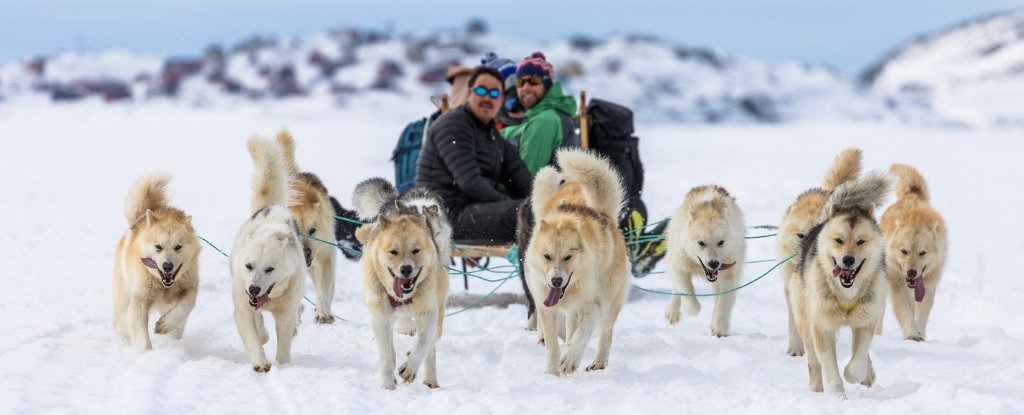
The vast, unforgiving landscapes of the Arctic have long been home to some of the most resilient and remarkable creatures on Earth. Among them, the Inuit sled dog stands as a testament to survival, partnership, and an unbreakable bond between humans and animals. These magnificent canines, often referred to as Qimmiq by the Inuit people, are more than just dogs; they are living legends, integral to the history, culture, and very survival of indigenous communities in the polar regions.
This comprehensive guide delves deep into the world of Inuit sled dog breeds, exploring their ancient origins, unique adaptations, the critical roles they played, and the challenges they face today. We’ll uncover what makes these dogs so special and how their legacy continues to shape our understanding of working dog breeds.
A Glimpse into Ancient History: The Origin of Arctic Canines
The story of Inuit sled dogs begins thousands of years ago, with archaeological evidence suggesting their presence in the Arctic dating back at least 4,000 years. These dogs are direct descendants of ancient Arctic wolves, selectively bred by indigenous peoples for specific traits crucial for survival in extreme cold: strength, endurance, intelligence, and a thick, insulating coat. Their evolution alongside humans in such harsh environments forged a bond unlike any other.
For millennia, these dogs were the primary mode of transportation and a vital tool for hunting, exploration, and communication across the frozen expanses. Without them, human habitation in the Arctic would have been nearly impossible. They were, quite literally, the lifeline of the Inuit.
The Pillars of the Pack: Key Inuit Sled Dog Breeds
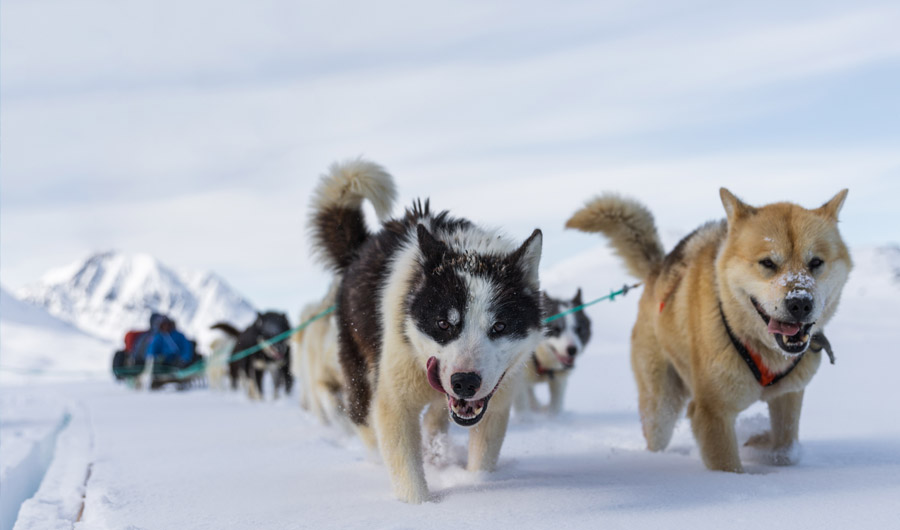
While many might broadly categorize any sled dog as an ‘Inuit dog,’ there are specific breeds directly tied to the Inuit and other indigenous Arctic communities. The two most prominent and historically significant are the Canadian Eskimo Dog and the Greenland Dog.
The Canadian Eskimo Dog (Canadian Inuit Dog/Qimmiq)
Recognized as one of North America’s oldest and rarest indigenous breeds, the Canadian Eskimo Dog (CED) is the quintessential Inuit sled dog. Its history is deeply intertwined with the Thule people, ancestors of today’s Inuit. These dogs are powerful, robust, and built for heavy hauling in the most extreme conditions. Their intelligence and pack drive make them exceptional working animals.
- Size: Large, powerful build, typically weighing 60-90 pounds.
- Coat: Dense double coat, providing superior insulation against sub-zero temperatures.
- Temperament: Loyal, intelligent, strong-willed, with a strong prey drive. Known for their ‘wolf-like’ howl rather than barking.
- Conservation Status: Critically endangered, with significant efforts underway to preserve the breed.
The Greenland Dog (Grønlandshund)
Closely related to the Canadian Eskimo Dog, the Greenland Dog shares a similar ancient lineage and purpose. It is Greenland’s national dog breed, celebrated for its incredible stamina and resilience. These dogs are still widely used for traditional hunting and transportation in Greenland, representing a living link to Arctic heritage.
- Size: Slightly smaller than the CED, but equally robust and muscular.
- Coat: Thick, insulating double coat, essential for Arctic survival.
- Temperament: Hardy, energetic, friendly but independent. Possesses a strong pack instinct and high prey drive.
- Purpose: Primarily a working sled dog, known for its endurance over speed.
Beyond the Core: Related Arctic Breeds (and important distinctions)
It’s common for people to associate other popular sled dog breeds like the Alaskan Malamute and Siberian Husky with ‘Inuit dogs.’ While they are indeed Arctic breeds and share common ancestors, their specific origins and primary breeding purposes differ from the Canadian Eskimo Dog and Greenland Dog, which are more directly linked to the Inuit people’s traditional use.
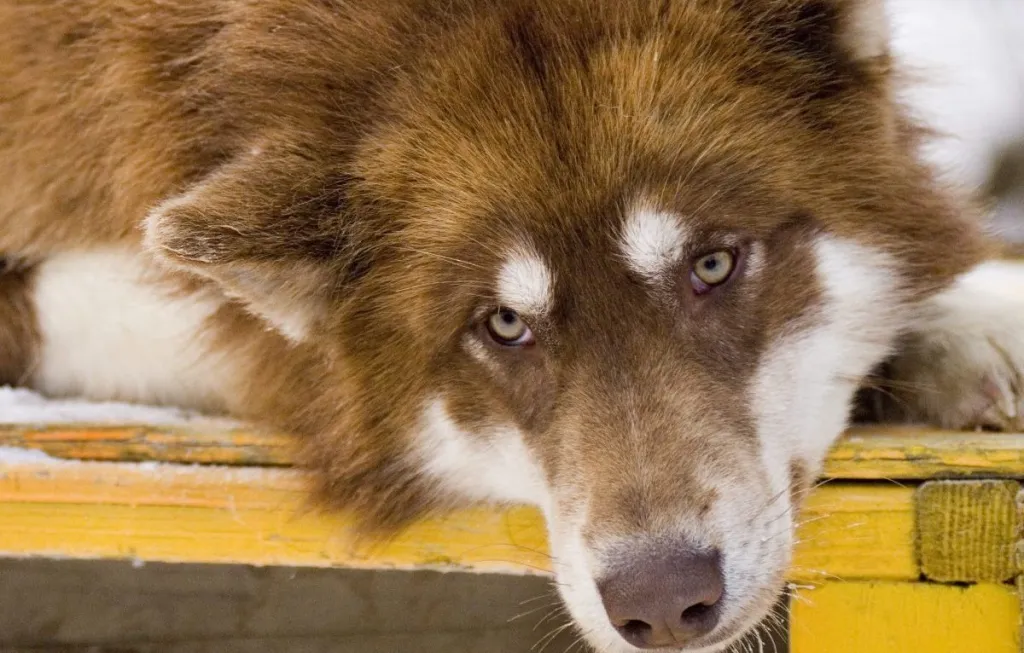
The Alaskan Malamute: Originating from Alaska with the Mahlemut Inuit tribe, the Malamute was bred for strength and endurance to pull heavy loads over long distances. They are known for their immense power and dignified demeanor.
The Siberian Husky: Developed by the Chukchi people of Siberia, Huskies were bred for speed and endurance, pulling lighter loads at a faster pace. They are famous for their striking appearance and friendly, mischievous nature.
While all these breeds excel in cold climates and sledding, the term ‘Inuit sled dog’ most accurately refers to the Canadian Eskimo Dog and Greenland Dog, whose development is intrinsically tied to the Inuit of Canada and Greenland.
Defining Traits: What Makes an Inuit Sled Dog Unique?
These dogs possess a remarkable suite of physical and behavioral adaptations that allowed them to thrive in one of the planet’s harshest environments.
- Double Coat: A dense, woolly undercoat for insulation and a coarser, water-repellent outer coat.
- Compact Body: A muscular, robust build with a deep chest for lung capacity.
- Small, Erect Ears & Bushy Tail: Minimize heat loss; the tail can be curled over the nose for warmth while sleeping.
- Padded Paws: Tough, well-furred paws that provide traction and protection from ice and snow.
Inuit sled dogs are inherently pack animals, driven by strong instincts honed over millennia. They are intelligent, resourceful, and possess a remarkable sense of direction. Their loyalty to their human companions is profound, though their independent nature and high energy levels require experienced ownership.
Their Indispensable Role in Inuit Culture: More Than Just Dogs
The relationship between the Inuit and their dogs was one of mutual survival. These dogs were not merely tools; they were partners, companions, and often considered part of the family. They hunted seals, polar bears, and muskoxen, warned of danger, and provided warmth in igloos. Their significance is deeply embedded in Inuit oral traditions, art, and spirituality.
The traditional method of dog team travel, known as ‘komatik,’ allowed Inuit hunters and families to traverse vast distances, access hunting grounds, and maintain cultural connections across the Arctic. The sound of a dog team’s howling was, and for some still is, the heartbeat of the North.
Challenges and Conservation: Preserving a Living Heritage
The advent of snowmobiles in the mid-20th century led to a dramatic decline in the populations of traditional sled dog breeds. Many Canadian Eskimo Dogs were culled or neglected, pushing the breed to the brink of extinction. This period represents a tragic loss of cultural heritage and genetic diversity.
Fortunately, dedicated breeders, Inuit communities, and conservation organizations have been working tirelessly to revive and preserve these magnificent animals. Efforts include careful breeding programs, promoting awareness, and supporting their use in recreational sledding, expeditions, and cultural revitalization projects.
Living with an Arctic Marvel: Care and Companionship
While their history is rooted in work, Inuit sled dogs can make wonderful companions for the right owner. However, prospective owners must understand their unique needs.
Exercise Needs: These are not apartment dogs. They require immense amounts of exercise, ideally several hours of vigorous activity daily. Sledding, skijoring, canicross, or long runs are ideal outlets for their energy.
Training and Socialization: Early and consistent training is crucial. Their intelligence can be a double-edged sword; they learn quickly but can also be stubborn. Positive reinforcement methods work best. Socialization from a young age is vital to manage their strong prey drive and ensure they are well-adjusted.
Dietary Considerations: A high-quality, protein-rich diet is essential to fuel their active lifestyle. Historically, their diet consisted largely of meat and fish from Arctic harvests.
Health and Lifespan: Generally robust breeds, they are prone to some common canine ailments like hip and elbow dysplasia. With proper care, they can live 10-15 years. Their thick coats mean they are highly susceptible to overheating in warmer climates.
Frequently Asked Questions (FAQs) About Inuit Sled Dogs
Are Inuit dogs good family pets? They can be, but they require an experienced, active owner who understands their needs for exercise, mental stimulation, and consistent training. They are generally good with children if properly socialized, but their high prey drive means caution is needed around smaller pets.
What’s the difference between an Inuit dog and a Husky? The term ‘Inuit dog’ primarily refers to the Canadian Eskimo Dog and Greenland Dog, bred by the Inuit people for heavy hauling and survival. Huskies (like Siberian Huskies) were bred by the Chukchi people for speed and lighter loads. While both are Arctic sled dogs, their specific origins and primary functions differ.
How much exercise do Inuit sled dogs need? A significant amount. Expect several hours of strenuous activity daily. They thrive on having a ‘job’ to do, whether it’s pulling a sled, a bike, or accompanying you on long hikes.
Are they easy to train? They are intelligent but can be independent and strong-willed. Training requires patience, consistency, and a deep understanding of their pack mentality. They respond best to positive reinforcement.
What do Inuit sled dogs eat? In traditional settings, their diet was rich in meat and fish. As pets, they need a high-quality, protein-dense dog food formulated for active large breeds. Consult with a veterinarian for specific dietary recommendations.
Conclusion: Honoring the Spirit of the Arctic
Inuit sled dog breeds represent a living bridge to an ancient way of life, embodying the spirit of resilience, loyalty, and unparalleled adaptation to the Arctic environment. Their story is a powerful reminder of the deep connection between humans and animals, and the critical importance of preserving both cultural heritage and biodiversity. As we look to the future, supporting the conservation of these magnificent dogs ensures that their howls will continue to echo across the frozen North, a testament to their enduring spirit.
Understanding and appreciating these breeds is not just about learning about dogs; it’s about honoring a vital piece of human history and the incredible animals who helped forge it. The Inuit sled dog remains a symbol of survival, strength, and the wild beauty of the Arctic.


