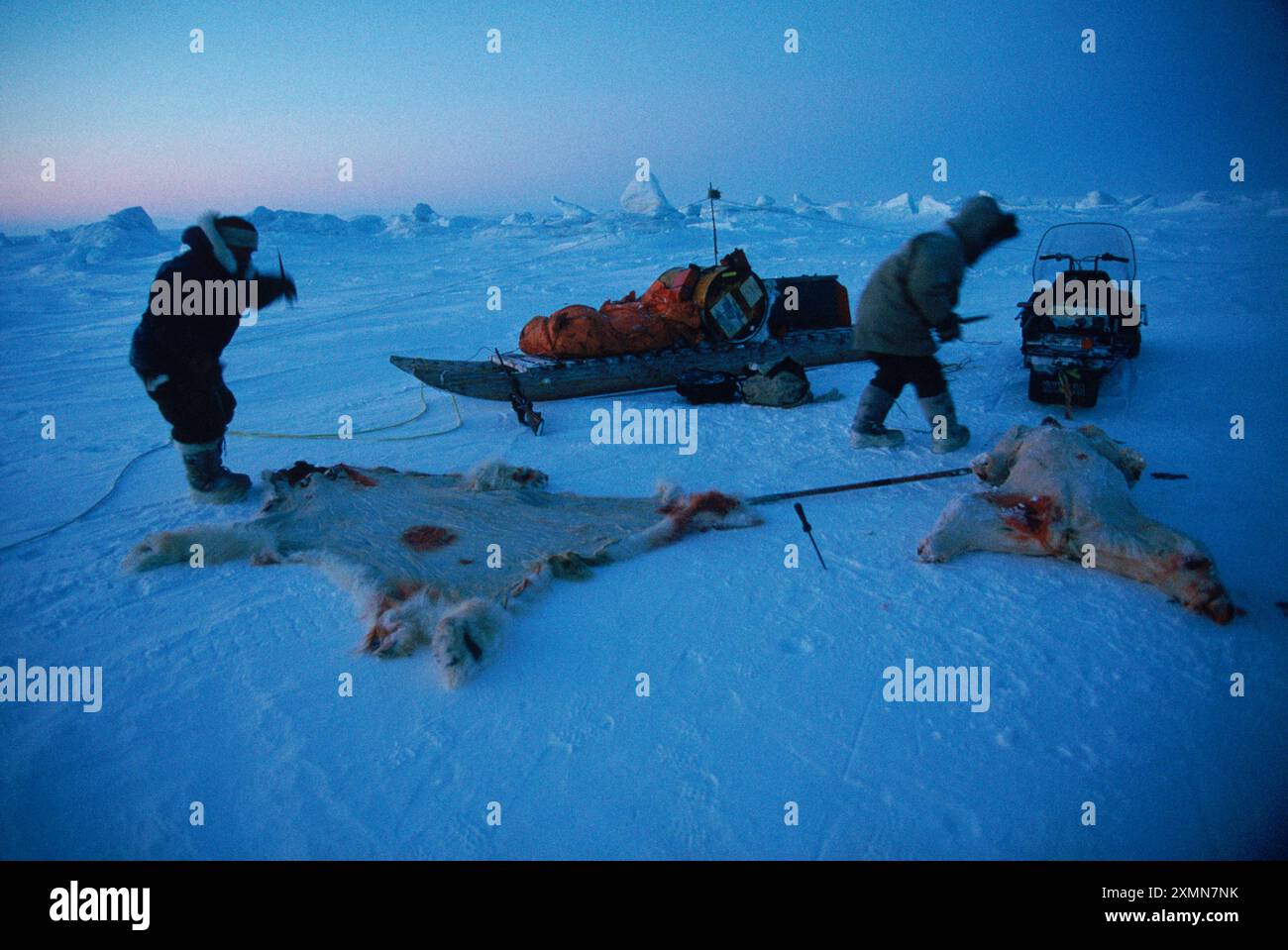
The vast, icy expanse of the Arctic is home to one of the world’s most iconic predators: the polar bear. For millennia, these magnificent creatures have been intertwined with the lives of the Inupiat, the indigenous people of Alaska’s northern coast. Far from being a mere sport, polar bear hunting for the Inupiat is a deeply rooted practice, essential for physical survival, cultural continuity, and spiritual well-being.
Understanding Inupiat polar bear hunting requires a journey beyond superficial perceptions. It demands an appreciation for a way of life forged over thousands of years, characterized by profound respect for nature and an intricate understanding of the Arctic ecosystem.
This comprehensive article will delve into the historical context, cultural significance, modern practices, and rigorous regulatory framework surrounding Inupiat polar bear hunting, shedding light on a tradition that is both vital and often misunderstood.
A Legacy of Survival: The Historical Imperative
For countless generations, the Inupiat people have thrived in one of the planet’s harshest environments. Their survival depended entirely on their ability to skillfully hunt and utilize the resources provided by the land and sea. The polar bear, or nanuq in Inupiaq, was, and remains, a cornerstone of this subsistence economy.
Historically, every part of the polar bear was utilized. The meat provided crucial protein and fat, essential for enduring the brutal Arctic winters. The thick, insulating hide was transformed into warm clothing, bedding, and coverings for traditional dwellings. Bones and teeth were fashioned into tools, weapons, and intricate carvings.
This holistic utilization reflects a deep-seated philosophy of zero waste and reverence for the animal that sacrificed its life. It was a matter of survival, not luxury, and every successful hunt was a testament to the hunter’s skill, courage, and the community’s collective effort.
Cultural Significance: More Than Just Sustenance
Beyond its role in providing physical sustenance, polar bear hunting holds immense cultural and spiritual significance for the Inupiat. It is a practice embedded in their identity, traditions, and worldview.
The hunt itself is often seen as a rite of passage for young men, teaching patience, resilience, observation skills, and respect for the natural world. Successfully hunting a polar bear brings prestige to the hunter and honor to their family, but it also carries significant responsibility.
Traditional stories, songs, and dances often feature the polar bear, highlighting its strength, intelligence, and spirit. These narratives serve to pass down knowledge, values, and a profound spiritual connection to nanuq from one generation to the next.
The sharing of the harvested meat and other resources throughout the community reinforces social bonds and communal interdependence. It’s an act of solidarity that strengthens the fabric of Inupiat society.
Modern Inupiat Polar Bear Hunting Practices
While the core values and necessity of the hunt remain unchanged, modern Inupiat polar bear hunting has adapted to incorporate contemporary tools and safety measures. Hunters still rely heavily on their ancestral knowledge of sea ice conditions, bear behavior, and weather patterns, but they also utilize modern equipment.
Today, hunters typically use snowmobiles or boats to reach hunting grounds, and high-powered rifles for efficient and humane kills. This combination of traditional wisdom and modern technology enhances safety and success rates in an inherently dangerous pursuit.

The hunting season and methods are carefully planned, often based on community input and observations of local bear populations. The focus remains on ethical harvesting, ensuring that the animal is taken respectfully and with minimal suffering.
Regulation and Management: Balancing Tradition with Conservation
A common question is: Is polar bear hunting legal for indigenous people? In the United States, under the Marine Mammal Protection Act (MMPA) of 1972, Alaska Natives are explicitly exempt from the general prohibition on hunting marine mammals, including polar bears, provided the hunting is for subsistence purposes and is not wasteful.
This exemption recognizes the long-standing cultural and subsistence dependency of Alaska Native communities on these resources. However, this is not an unregulated free-for-all. Inupiat hunting operates within a robust framework of national and international regulations.
The United States is a signatory to the 1973 Agreement on the Conservation of Polar Bears, which generally prohibits the taking of polar bears but includes provisions for traditional hunting by indigenous people. This agreement underscores the commitment to both conservation and indigenous rights.
Co-management plays a crucial role. The U.S. Fish and Wildlife Service (USFWS) works in partnership with Alaska Native organizations, such as the Alaska Nanuuq Commission, to manage polar bear populations. This collaborative approach integrates scientific data with traditional ecological knowledge (TEK).
Management often involves harvest quotas, tagging requirements for hides, and mandatory reporting of all harvested bears. These measures ensure that subsistence hunting is sustainable and does not negatively impact overall polar bear populations.
Ethical Considerations and Sustainability
Why do Inupiat hunt polar bears? As established, it is primarily for subsistence – food, clothing, and other essential resources. This contrasts sharply with sport hunting, which is illegal for polar bears in the U.S. and strictly regulated elsewhere.
The Inupiat approach embodies a deep respect for the animal. Waste is considered an affront to the spirit of the animal and a violation of cultural norms. This ‘zero-waste’ philosophy inherently promotes sustainable practices.
While climate change poses a significant threat to polar bear populations by diminishing sea ice habitat, studies and co-management efforts indicate that regulated subsistence hunting by indigenous communities, when managed effectively, is not the primary driver of population decline.
Challenges Faced by Inupiat Hunters
Inupiat polar bear hunters face a growing array of challenges, many of which are external to their traditional practices.
Climate change is perhaps the most pressing issue. Diminishing and unpredictable sea ice makes hunting more dangerous, alters bear migration patterns, and impacts the overall health of the ecosystem. This directly affects the ability of Inupiat communities to access traditional hunting grounds and secure essential food resources.
Economic pressures also play a role. While subsistence is paramount, the high costs associated with modern hunting equipment (snowmobiles, fuel, rifles) can be a burden for remote Arctic communities.
The Future of Inupiat Polar Bear Hunting
The future of Inupiat polar bear hunting is inextricably linked to the health of the Arctic environment and the recognition of indigenous rights. Despite the challenges, Inupiat communities remain resilient and committed to preserving their cultural heritage.
This involves continued advocacy for co-management approaches that value both scientific research and traditional knowledge. It also means adapting to environmental changes while upholding core cultural values and practices.
The Inupiat demonstrate a living example of how humans can coexist with apex predators in a manner that is both respectful and necessary for survival. Their practices offer valuable lessons in sustainability and a deep connection to the natural world.
Conclusion: A Vital Tradition in a Changing World
Inupiat polar bear hunting is far more than a simple act of taking an animal; it is a complex, vital tradition that underpins the cultural, spiritual, and physical survival of an indigenous people. Rooted in millennia of Arctic living, it embodies respect, resourcefulness, and community.
Operating within a strict framework of national and international regulations, and guided by a profound traditional knowledge, Inupiat subsistence hunting is a testament to human adaptation and resilience.
As the Arctic faces unprecedented changes due to climate shifts, understanding and supporting the rights and practices of indigenous communities like the Inupiat becomes ever more critical. Their future, and the future of the polar bear, are deeply intertwined, demanding a balanced approach that honors tradition, ensures sustenance, and champions robust conservation.