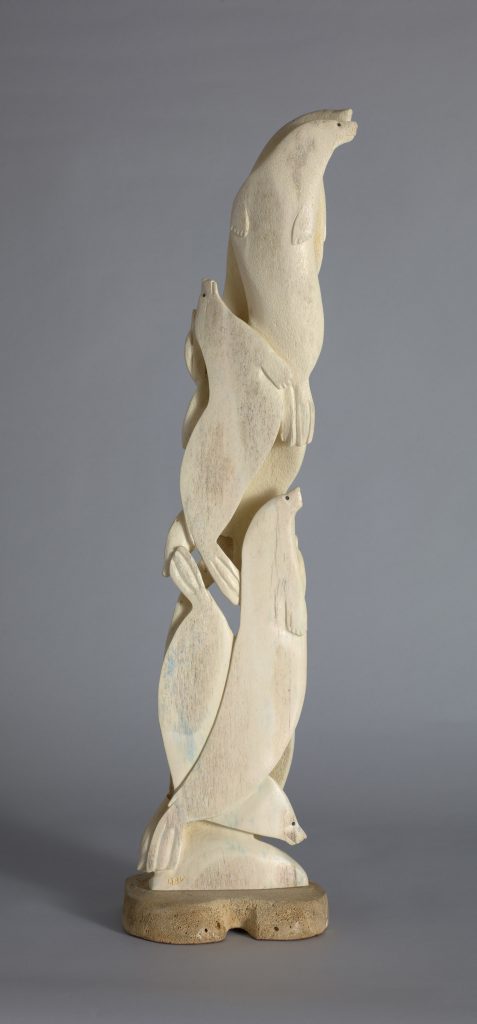
Inupiat art, deeply rooted in the culture and environment of the Arctic, has undergone a remarkable transformation in recent decades. While honoring ancestral traditions, Inupiat artists are increasingly incorporating modern techniques and themes into their work, creating a vibrant and dynamic contemporary art scene. This article delves into the key influences shaping Inupiat modern art, exploring how the past informs the present and how artists are navigating the complexities of cultural preservation and artistic innovation.
Understanding Inupiat Art: A Foundation of Tradition
- Carvings: Using materials like walrus ivory, bone, and wood, Inupiat artists create intricate carvings of animals, human figures, and scenes from their environment. These carvings often served practical purposes, such as hunting charms or tools, but also held significant spiritual and cultural meaning.
- Masks: Elaborate masks played a vital role in ceremonies and storytelling. They represented spirits, animals, or mythical beings and were used to connect with the supernatural world.
- Textiles: Utilizing animal hides, furs, and plant fibers, Inupiat women created intricate clothing, blankets, and baskets. These textiles were not only functional but also adorned with decorative patterns and designs that reflected their cultural identity.
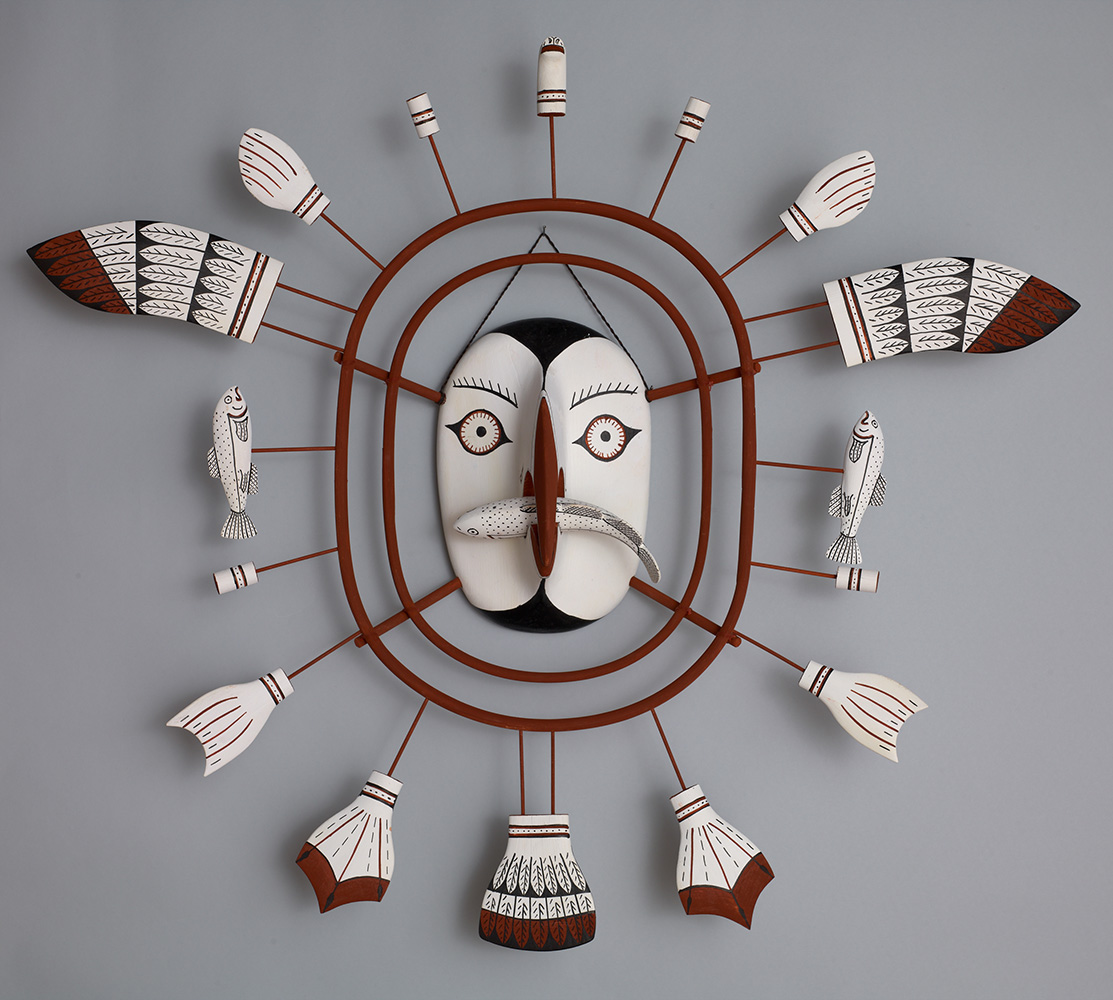
The materials used in traditional Inupiat art were directly sourced from the environment, reflecting a deep respect for nature and a sustainable way of life. The themes often revolved around hunting, fishing, family, and the spiritual connection to the land and sea. This rich artistic heritage provides the bedrock for contemporary Inupiat artists.
The Impact of Western Art and Culture
The arrival of Western traders, missionaries, and settlers in the Arctic brought about significant changes to Inupiat society, including its art. Exposure to new materials, techniques, and artistic styles from the West had a profound impact on Inupiat artistic expression.
- New Materials: Artists began incorporating new materials like metal, glass beads, and synthetic fabrics into their work. These materials offered new possibilities for color, texture, and form.
- Changing Subject Matter: While traditional themes remained important, some artists began to explore new subjects, such as portraits of Westerners or scenes from modern life.
- Market Influences: The demand for Inupiat art from collectors and tourists also influenced artistic production. Artists began creating pieces specifically for sale, which sometimes led to a shift in style and subject matter.
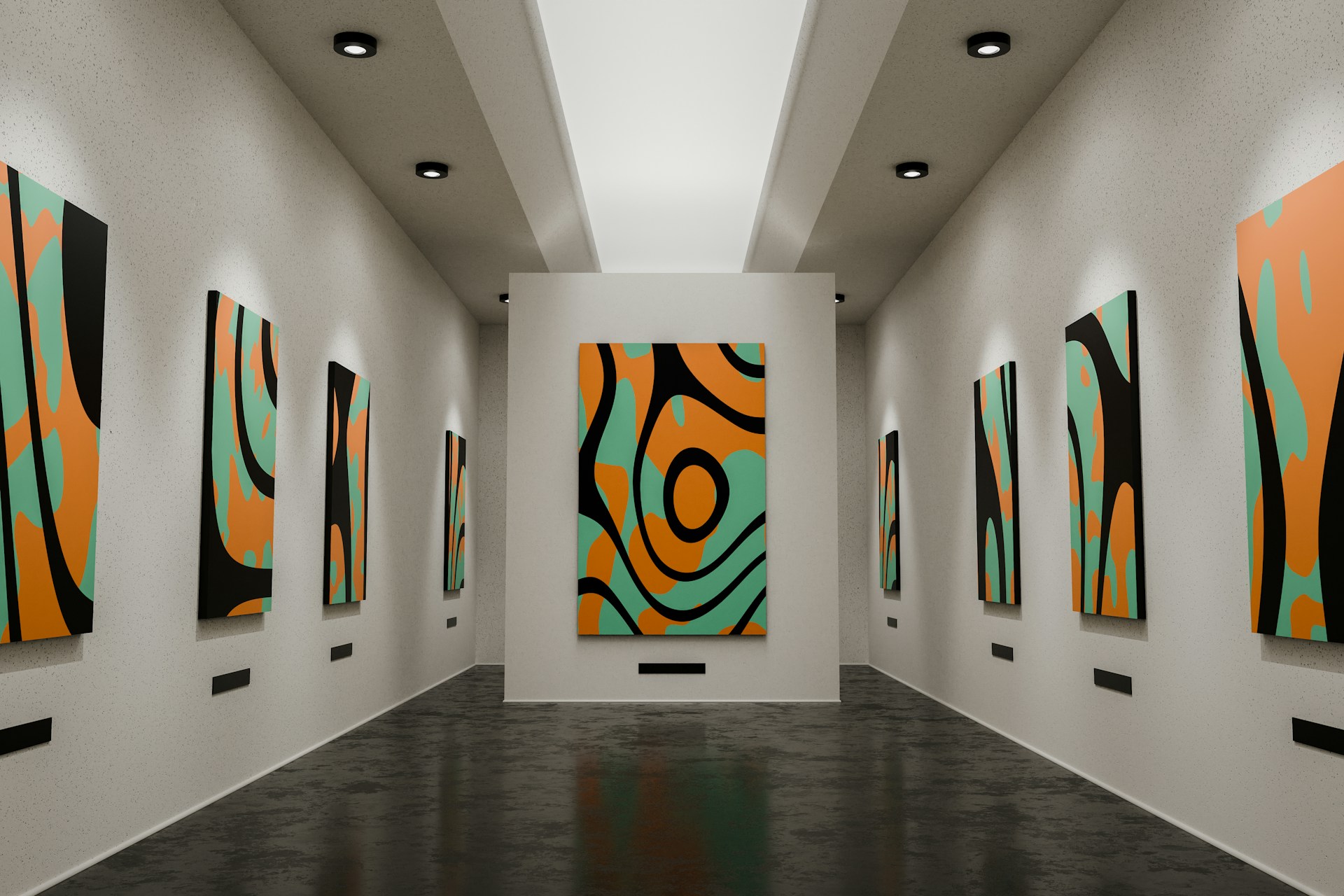
While the introduction of Western influences presented challenges to cultural preservation, it also opened up new avenues for artistic exploration and innovation. Many Inupiat artists embraced these new possibilities while remaining deeply connected to their cultural heritage.
Key Influences Shaping Inupiat Modern Art
Cultural Identity and Preservation
At the heart of Inupiat modern art lies a strong desire to preserve and celebrate cultural identity. Artists are using their work to reclaim and revitalize traditional knowledge, stories, and values. They are exploring themes of cultural survival, language preservation, and the importance of intergenerational knowledge transfer. Art becomes a powerful tool for cultural affirmation and resistance against cultural assimilation.
Environmental Awareness and Climate Change
Living in one of the most vulnerable regions to climate change, Inupiat artists are increasingly using their work to raise awareness about environmental issues. They depict the impacts of climate change on their land, wildlife, and way of life. Their art serves as a powerful form of environmental advocacy, urging viewers to take action to protect the Arctic environment.
Social and Political Commentary
Inupiat artists are also using their art to address social and political issues affecting their communities. They explore themes of historical trauma, social justice, and self-determination. Their art becomes a platform for voicing concerns, challenging stereotypes, and advocating for the rights of Indigenous peoples.
Technological Innovation and New Media
Inupiat artists are embracing new technologies and media to create innovative and engaging works of art. They are experimenting with digital art, photography, video, and installation art to express their ideas and reach wider audiences. These new media offer exciting possibilities for pushing the boundaries of Inupiat art and engaging with contemporary issues.
Collaboration and Cross-Cultural Exchange
Collaboration and cross-cultural exchange are also playing an increasingly important role in Inupiat modern art. Artists are collaborating with artists from other Indigenous cultures and from the mainstream art world to create collaborative projects that explore shared themes and perspectives. These collaborations foster dialogue, understanding, and mutual respect.
Notable Inupiat Modern Artists
- : Known for intricate carvings that blend traditional techniques with contemporary themes. often explore themes of cultural identity and environmental stewardship.
- : A multimedia artist who uses photography, video, and installation art to address social and political issues facing Inupiat communities. is known for powerful and evocative imagery.
- : A textile artist who creates stunning works using traditional materials and techniques. is inspired by the natural beauty of the Arctic and the stories of ancestors.
(Note: Replace the bracketed information above with actual artist names and details. Do some research!)
Where to See Inupiat Modern Art
- The Anchorage Museum: Features a comprehensive collection of Alaska Native art, including contemporary Inupiat works.
- The University of Alaska Museum of the North (Fairbanks): Showcases a diverse range of Alaska Native art and artifacts.
- Local Galleries and Art Festivals: Many smaller galleries and art festivals in Alaska feature the work of emerging and established Inupiat artists.
The Future of Inupiat Modern Art
The future of Inupiat modern art is bright. As Inupiat artists continue to innovate and explore new avenues of expression, their work will undoubtedly play an increasingly important role in shaping the cultural landscape of the Arctic and beyond. By blending tradition with innovation, they are creating a powerful and enduring legacy for future generations.
Conclusion: A Tapestry of Tradition and Innovation
Inupiat modern art is a testament to the resilience, creativity, and cultural vitality of the Inupiat people. By drawing upon their rich artistic heritage and embracing new influences, Inupiat artists are creating a dynamic and evolving art form that reflects their unique experiences and perspectives. Their work serves as a powerful reminder of the importance of cultural preservation, environmental stewardship, and social justice. As Inupiat modern art continues to evolve, it will undoubtedly inspire and challenge audiences around the world.
Common Questions Answered (People Also Ask)
What are the main themes in Inupiat art?
Inupiat art frequently explores themes related to hunting, fishing, family life, spirituality, and the deep connection to the Arctic land and sea. Contemporary artists also address issues of cultural identity, environmental change, and social justice.
What materials are traditionally used in Inupiat art?
Traditional Inupiat art utilizes materials sourced directly from the environment, such as walrus ivory, bone, wood, animal hides, furs, and plant fibers.
How has Western culture influenced Inupiat art?
Western contact introduced new materials like metal and glass beads, altered subject matter to include Western figures, and created a market for art sales, influencing style and content.
Where can I buy authentic Inupiat art?
Authentic Inupiat art can be purchased from reputable galleries, museum shops, and directly from Inupiat artists at art fairs and festivals. Be sure to verify the authenticity of the artwork and support ethical sourcing practices.
How is climate change represented in Inupiat art?
Inupiat artists often depict the effects of climate change on their environment, including melting ice, changes in animal migration patterns, and the impact on traditional ways of life. Their art serves as a form of environmental advocacy.
Related LSI Keywords: Alaska Native art, Inuit art, Arctic art, Indigenous art, contemporary Indigenous art, cultural preservation, environmental art, Alaska art, Native American art, traditional art, modern art, Inupiaq art, Eskimo art, walrus ivory carving, bone carving, mask making, textile art, climate change art.


