The Yupik people, indigenous to southwestern Alaska and parts of Russia’s Far East, possess a vibrant and enduring cultural heritage deeply intertwined with their environment. Their traditional art forms are not merely aesthetic expressions but integral components of their spiritual beliefs, social structures, and daily lives. From intricate masks used in ceremonies to finely crafted tools and clothing, Yupik art reflects a profound connection to the land, sea, and animals that sustain them.
This article delves into the diverse world of Yupik traditional art, exploring its key forms, techniques, and the cultural significance embedded within each creation. We will uncover the stories behind the art, the skills passed down through generations, and the ongoing efforts to preserve and revitalize these invaluable cultural treasures.
Masks: Portals to the Spirit World
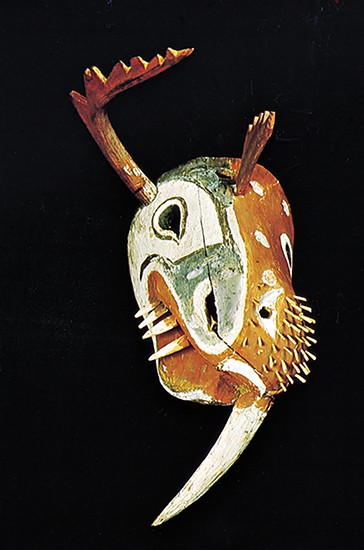
Yupik masks are perhaps the most iconic and recognizable form of their art. These are not mere decorations but powerful objects used in ceremonies to connect with the spirit world. Each mask is carefully crafted with specific intentions and meanings, often representing animals, spirits, or mythological figures. The creation of a mask is a sacred process, involving consultation with shamans and adherence to strict traditional protocols.
Materials and Techniques
Traditionally, Yupik masks were made from wood, often driftwood found along the coast. Other materials include animal bones, feathers, fur, and plant fibers. Artists use a variety of tools, including adzes, knives, and drills, to shape the wood and create intricate details. The masks are often painted with natural pigments derived from berries, minerals, and other organic sources.
Symbolism and Meaning
The symbolism in Yupik masks is rich and complex. Animals are often depicted to honor their spirits and seek their guidance or protection. For example, a seal mask might be used in a hunting ceremony to ensure a successful hunt, while a raven mask could represent transformation and trickery. Geometric patterns and other abstract designs also carry specific meanings, often related to cosmology or spiritual beliefs. The use of feathers adds another layer of symbolism, with different types of feathers representing different qualities or spirits.
Types of Masks
- Animal Masks: Representing animals such as seals, whales, wolves, and birds.
- Spirit Masks: Depicting various spirits and mythological beings.
- Transformation Masks: Showing the transformation of a human into an animal or spirit.
- Storytelling Masks: Illustrating scenes from Yupik legends and stories.
Carvings: Miniature Worlds of Skill
Yupik carvings are another important form of artistic expression. These intricate sculptures, often made from ivory, bone, or wood, depict animals, people, and scenes from daily life. Carvings are not only beautiful objects but also serve as tools for storytelling, teaching, and preserving cultural knowledge.
Materials and Techniques
Ivory, obtained from walruses and whales, has long been a prized material for Yupik carvers. Bone, antler, and wood are also commonly used. Carvers use a variety of tools, including knives, chisels, and files, to shape the materials and create fine details. The carvings are often polished to a smooth finish and may be decorated with engravings or paint.
Subjects and Themes
Yupik carvings often depict animals that are important to their survival, such as seals, walruses, whales, and fish. These animals are portrayed with great accuracy and attention to detail, reflecting the Yupik people’s intimate knowledge of their environment. Carvings also depict scenes from daily life, such as hunting, fishing, and dancing. These scenes provide valuable insights into Yupik culture and traditions.
Significance
Yupik carvings serve multiple purposes. They can be used as tools for teaching children about animals and their habits. They can also be given as gifts or traded with other communities. Most importantly, carvings serve as a way to preserve and pass on cultural knowledge from one generation to the next.
Storytelling: The Oral Tradition
Storytelling is a central part of Yupik culture. Stories are used to teach children about their history, values, and beliefs. They also provide entertainment and strengthen community bonds. Yupik stories are often accompanied by songs, dances, and masks, creating a rich and immersive experience.
Types of Stories
- Creation Myths: Explaining the origins of the world and the Yupik people.
- Animal Stories: Featuring animals as characters and teaching lessons about respect for nature.
- Legends: Recounting the heroic deeds of ancestors and cultural heroes.
- Personal Narratives: Sharing experiences and insights from daily life.
The Role of the Storyteller
Yupik storytellers are highly respected members of the community. They are responsible for preserving and passing on the oral tradition. Storytellers must have a deep knowledge of Yupik history, culture, and language. They must also be skilled performers, able to captivate their audience with their voice, gestures, and expressions.
Preservation
With the increasing influence of Western culture, the Yupik language and oral tradition are facing challenges. However, there are ongoing efforts to preserve and revitalize storytelling through language programs, cultural centers, and the documentation of traditional stories.
Dance and Music: Rhythms of Life
Dance and music are integral to Yupik ceremonies and celebrations. They are used to express joy, grief, gratitude, and reverence. Yupik dances are often accompanied by drumming, singing, and chanting, creating a powerful and moving experience.
Types of Dances
- Storytelling Dances: Enacting scenes from Yupik legends and stories.
- Animal Dances: Imitating the movements of animals such as seals, bears, and birds.
- Hunting Dances: Celebrating a successful hunt and giving thanks to the animals.
- Welcome Dances: Greeting visitors and celebrating special occasions.
The Role of Music
Music plays a vital role in Yupik dances. The rhythmic drumming provides the foundation for the dance, while the singing and chanting add emotional depth. Yupik songs often tell stories or express feelings about nature, spirituality, and community.
Instruments
- Drums: Made from animal hides stretched over a wooden frame.
- Rattles: Made from animal horns or gourds filled with pebbles.
- Flutes: Made from bird bones or wood.
Clothing and Regalia: Adornment and Identity
Yupik clothing is not only functional but also a form of artistic expression. Traditional Yupik garments are made from animal skins, furs, and other natural materials. They are often decorated with intricate beadwork, embroidery, and appliqué.
Materials and Techniques
Yupik seamstresses are highly skilled artisans. They use a variety of techniques to create durable and beautiful clothing. Animal skins are carefully tanned and sewn together using sinew thread. Furs are used to provide warmth and insulation. Beadwork, embroidery, and appliqué are used to add decorative details.
Designs and Patterns
Yupik clothing designs often reflect the natural environment. Animal motifs, geometric patterns, and symbolic designs are commonly used. The designs can also indicate a person’s social status, clan affiliation, or personal achievements.
Significance
Yupik clothing serves multiple purposes. It provides protection from the harsh climate. It also serves as a form of personal expression and cultural identity. Traditional Yupik garments are often worn during ceremonies and celebrations.
Contemporary Yupik Art: Continuity and Innovation
While traditional art forms continue to thrive, contemporary Yupik artists are also pushing the boundaries of creativity. They are incorporating new materials, techniques, and themes into their work, while still maintaining a connection to their cultural heritage. Contemporary Yupik art reflects the changing world while honoring the traditions of the past.
Modern Materials
Contemporary Yupik artists are experimenting with a wider range of materials, including metal, glass, and plastic. They are also using modern tools and technologies to create their art.
New Themes
In addition to traditional themes, contemporary Yupik artists are exploring new themes such as social justice, environmentalism, and cultural identity. Their art often reflects their experiences as Yupik people living in a rapidly changing world.
Conclusion: A Living Legacy
Yupik traditional art forms are a testament to the resilience and creativity of the Yupik people. These art forms are not static relics of the past but living traditions that continue to evolve and adapt. By understanding and appreciating Yupik art, we can gain valuable insights into their culture, values, and worldview. The ongoing efforts to preserve and promote Yupik art are essential for ensuring that these invaluable cultural treasures are passed on to future generations. From the mesmerizing masks to the intricate carvings, the vibrant dances to the captivating stories, Yupik art offers a profound and enduring connection to the spirit world and the natural world.
The legacy of Yupik artistry endures, carried forward by dedicated artists, storytellers, and community members who understand its profound importance. As we celebrate their contributions, we also recognize the need for continued support and appreciation to ensure that these traditions thrive for generations to come. Supporting Yupik artists and cultural organizations is a way to honor their heritage and contribute to the preservation of their unique artistic vision.


