
Inuit art is a testament to the enduring relationship between the Inuit people and their environment. For centuries, the Arctic landscape, its wildlife, and the spiritual beliefs of the Inuit have served as profound sources of inspiration. This article delves into the intricate ways in which nature shapes Inuit art, examining the themes, materials, and techniques that define this unique artistic tradition.
Understanding Inuit Art: A Reflection of the Arctic World
Inuit art, also known as Eskimo art, encompasses a wide range of artistic expressions created by the Inuit people of the Arctic regions of Canada, Greenland, Alaska, and Russia. Historically, these artworks served practical, spiritual, and cultural purposes. Today, they are celebrated globally for their aesthetic beauty and profound storytelling.
What are the primary characteristics of Inuit art?
Inuit art is characterized by its deep connection to nature, its use of local materials, and its reflection of traditional Inuit life. Common themes include animals, hunting scenes, family life, and spiritual beliefs. The art often features intricate details and a stylized representation of the subject matter.
The Arctic Landscape: A Palette of Ice, Snow, and Stone
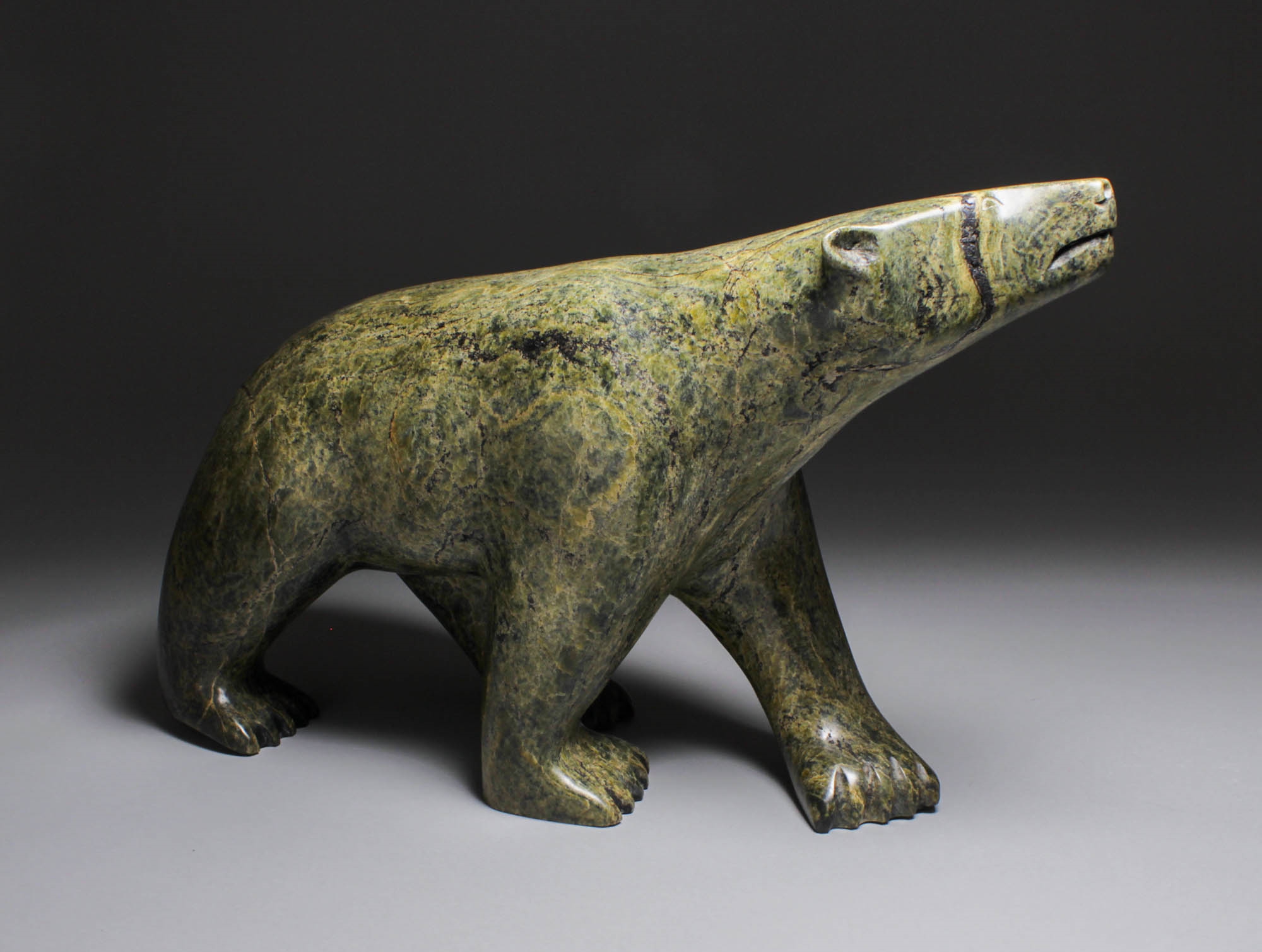
The Arctic landscape is a harsh yet beautiful environment that profoundly influences Inuit art. The vast expanses of ice and snow, the rugged mountains, and the dramatic skies provide a constant source of visual inspiration. The Inuit artists capture the essence of this landscape in their work, conveying its beauty, its challenges, and its spiritual significance.
How does the Arctic landscape influence the choice of materials in Inuit art?
The limited availability of materials in the Arctic has shaped the resourcefulness of Inuit artists. Traditionally, they have used materials derived from the land and sea, such as soapstone, bone, antler, ivory (especially walrus tusk), and driftwood. These materials are not only practical but also imbued with cultural and spiritual significance.
Wildlife as Muse: Animals in Inuit Art
Animals play a central role in Inuit art. Caribou, seals, whales, polar bears, and birds are frequently depicted, reflecting their importance to the Inuit way of life. These animals are not merely subjects; they are symbols of survival, sustenance, and spiritual connection.
Why are animals so prominent in Inuit art?
Animals are essential to the Inuit both for their physical survival and their spiritual well-being. They provide food, clothing, and tools, and they are also believed to possess spirits that can influence human lives. By depicting animals in their art, the Inuit honor these creatures and seek to maintain a harmonious relationship with them.
Spiritual Beliefs: Animism and Shamanism in Art
Inuit spirituality, rooted in animism and shamanism, deeply influences their art. Animism is the belief that all things – animals, plants, and even inanimate objects – possess a spirit. Shamanism involves spiritual leaders (shamans) who can communicate with these spirits to maintain balance and harmony in the community.

How do spiritual beliefs manifest in Inuit art?
Inuit art often depicts shamanic rituals, spirit transformations, and mythological beings. Artists may carve or draw images that represent their visions or dreams, conveying the power and mystery of the spirit world. These artworks serve as a means of connecting with the spirits and seeking their guidance and protection.
Common Themes in Inuit Art Inspired by Nature
- Hunting Scenes: Depictions of the hunt are common, reflecting the importance of hunting for survival. These scenes often portray the skill and courage of the hunters, as well as the respect for the animals they hunt.
- Family Life: Images of family life, such as mothers with children or families working together, celebrate the importance of community and kinship. These scenes often highlight the nurturing and supportive aspects of Inuit culture.
- Transformation and Mythology: Artworks depicting transformations between humans and animals, or featuring mythological creatures, reflect the spiritual beliefs and storytelling traditions of the Inuit.
- Landscapes: While not always the primary focus, the Arctic landscape often serves as a backdrop or a symbolic element in Inuit art. The vastness and beauty of the land are conveyed through simple yet evocative imagery.
Materials and Techniques: Honoring the Natural World
The materials used in Inuit art are directly derived from the natural environment. The techniques employed are often dictated by the properties of these materials, resulting in a unique artistic expression.
What are some of the traditional materials used in Inuit art?
- Soapstone: A soft, easily carved stone that is ideal for sculptures.
- Bone and Antler: Used for intricate carvings and tools.
- Ivory: Particularly walrus tusk ivory, prized for its durability and beauty.
- Driftwood: Used for sculptures and masks, often retaining its natural shape and texture.
- Sealskin and Caribou Hide: Used for clothing, containers, and other functional items, often decorated with intricate designs.
Contemporary Inuit Art: Continuing the Tradition
While rooted in tradition, Inuit art continues to evolve. Contemporary Inuit artists are experimenting with new materials and techniques, while still maintaining the core values and themes that define their artistic heritage.
How has Inuit art evolved over time?
Contemporary Inuit artists are incorporating modern materials and techniques into their work, while still drawing inspiration from their cultural heritage. They are also addressing contemporary issues, such as climate change, cultural preservation, and social justice, through their art.
The Role of Inuit Art in Cultural Preservation
Inuit art plays a vital role in preserving and promoting Inuit culture. By depicting traditional ways of life, spiritual beliefs, and cultural values, the art serves as a powerful tool for educating and inspiring future generations.
How does Inuit art contribute to cultural preservation?
Inuit art helps to maintain cultural identity by passing down traditional knowledge, stories, and values. It also serves as a means of cultural expression and communication, allowing the Inuit to share their experiences and perspectives with the world.
Collecting Inuit Art: Appreciating the Cultural Significance
Collecting Inuit art can be a rewarding experience, but it is important to approach it with respect and understanding. By learning about the cultural context of the art and supporting Inuit artists and communities, collectors can contribute to the preservation of this unique artistic tradition.
What should collectors consider when purchasing Inuit art?
Collectors should prioritize purchasing art directly from Inuit artists or reputable galleries that support fair trade practices. They should also research the artist and the cultural significance of the artwork to ensure that they are acquiring authentic and ethically sourced pieces.
Inuit Art and Climate Change: A Reflection of Environmental Concerns
Climate change is having a profound impact on the Arctic environment, and Inuit artists are increasingly using their work to raise awareness about these issues. Their art serves as a powerful reminder of the fragility of the Arctic ecosystem and the importance of protecting it for future generations.
How are Inuit artists addressing climate change in their work?
Inuit artists are depicting the effects of climate change on the Arctic landscape, wildlife, and traditional ways of life. They are also using their art to advocate for environmental protection and to promote sustainable practices.
Conclusion: The Enduring Connection Between Inuit Art and Nature
Inuit art is a testament to the enduring connection between the Inuit people and the natural world. From the Arctic landscape to the wildlife that inhabits it, nature serves as a constant source of inspiration for Inuit artists. Through their sculptures, prints, and carvings, they convey the beauty, the challenges, and the spiritual significance of their environment, preserving their cultural heritage and promoting a deeper understanding of the Arctic world.
By understanding the profound influence of nature on Inuit art, we can gain a greater appreciation for the artistry, the cultural significance, and the environmental awareness that it embodies. As we continue to face environmental challenges, the wisdom and resilience of the Inuit people, as reflected in their art, can serve as a valuable guide for creating a more sustainable and harmonious future.
The profound connection between Inuit art and the natural world is a testament to the enduring relationship between the Inuit people and their environment. The Arctic landscape, its wildlife, and the spiritual beliefs of the Inuit have served as profound sources of inspiration. This article has explored the intricate ways in which nature shapes Inuit art, examining the themes, materials, and techniques that define this unique artistic tradition.
Inuit art, with its deep connection to nature, its use of local materials, and its reflection of traditional Inuit life, will continue to be celebrated globally for its aesthetic beauty and profound storytelling. The tradition evolves, incorporating modern techniques and materials, and addressing contemporary issues such as climate change. The art plays a vital role in preserving and promoting Inuit culture, serving as a powerful tool for educating and inspiring future generations.
In conclusion, appreciating Inuit art means understanding and respecting the cultural context, supporting the artists and communities, and recognizing the profound environmental message woven into each creation. It is a journey into the heart of the Arctic, a celebration of resilience, and a call for environmental stewardship.


