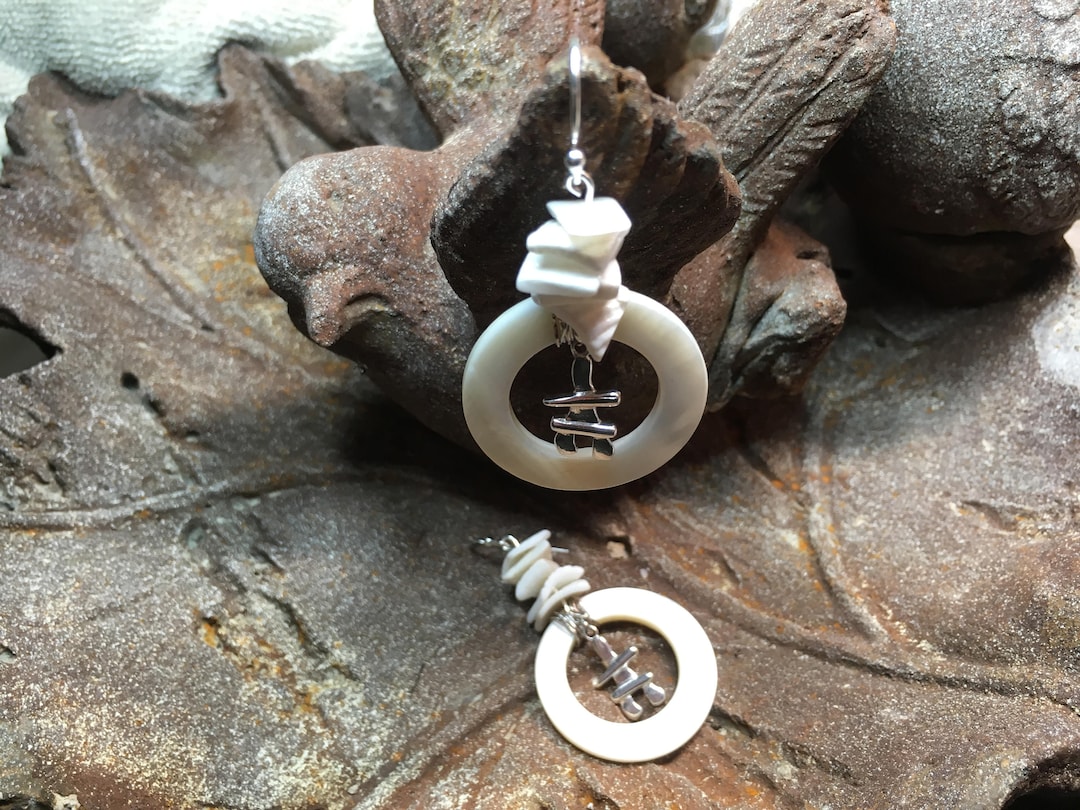
Inuit jewelry represents more than just adornment; it embodies a profound connection to the Arctic landscape, its wildlife, and the enduring spirit of the Inuit people. Crafted from materials sourced directly from their environment – including silver, stone, bone, and ivory – each piece tells a story of survival, artistry, and cultural identity. This article delves into the captivating world of Inuit jewelry, exploring its history, techniques, symbolism, and enduring appeal.
A Legacy Etched in Silver and Stone
Inuit jewelry making is a tradition passed down through generations, evolving alongside the Inuit culture itself. Historically, materials like bone, ivory, and stone were primarily used due to their availability. The introduction of silver through trade with Europeans in the 18th and 19th centuries marked a significant turning point, adding a new dimension to their artistic expression. Silversmithing techniques were adapted and integrated, resulting in a unique blend of traditional motifs and modern materials.
Materials of the Arctic: Silver, Stone, and Beyond
Silver: Often used as a base metal, silver provides a lustrous backdrop for intricate designs. Its malleability allows for detailed carvings and shaping, reflecting the precision and skill of Inuit artisans.
Stone: Soapstone, serpentine, and other locally sourced stones are frequently incorporated. These stones, often chosen for their color and texture, are meticulously carved into animal figures, human forms, and abstract designs.
Bone and Ivory: While silver and stone are prominent today, bone and ivory remain essential materials, connecting contemporary jewelry to its ancient roots. These materials are often used for smaller details and embellishments.
Other Materials: Antler, walrus tusk, and even fossilized materials may be used, adding to the diversity and uniqueness of Inuit jewelry.
Techniques and Craftsmanship: A Testament to Skill
Carving: Stone, bone, and ivory are meticulously carved using hand tools and power tools to create intricate shapes and designs. The carving process requires a deep understanding of the material’s properties and the desired aesthetic.
Silversmithing: Silver is shaped, soldered, and polished to form the base of the jewelry. Inuit silversmiths have adapted traditional techniques to create their own distinctive style, often incorporating elements inspired by their natural surroundings.
Inlay: Different materials, such as stone, bone, and ivory, are carefully inlaid into silver or other materials to create contrasting textures and colors. This technique adds depth and visual interest to the jewelry.
Etching and Engraving: Fine lines and details are etched or engraved onto the surface of the jewelry to depict scenes from Inuit life, animal motifs, or abstract patterns.
Symbolism and Meaning: Stories Woven in Metal and Stone
Animals: Animals play a central role in Inuit mythology and daily life. Common animal motifs include polar bears (strength and resilience), seals (resourcefulness and adaptability), whales (abundance and wisdom), and birds (freedom and spirituality).
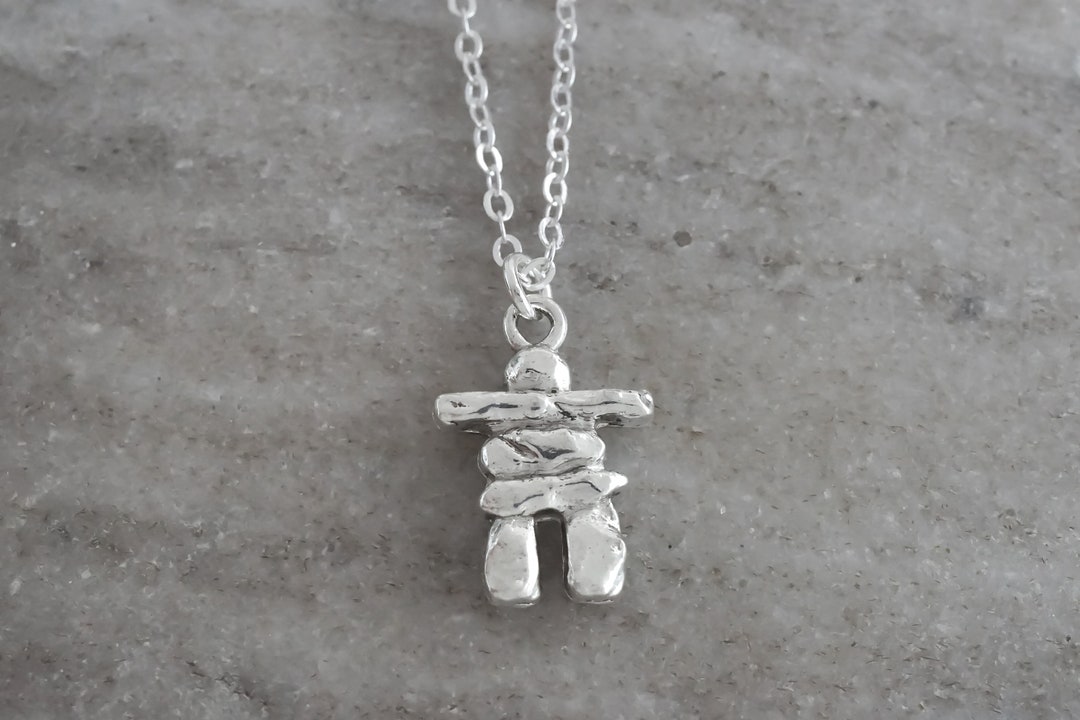
Human Figures: Depictions of hunters, mothers, and other figures represent the importance of community, family, and survival in the Arctic environment.
Geometric Patterns: Abstract geometric patterns often symbolize natural elements such as ice, snow, and water. These patterns can also represent spiritual concepts and beliefs.
Spirits and Mythological Creatures: Some pieces feature depictions of spirits and mythological creatures, reflecting the Inuit belief in a world inhabited by both visible and invisible forces.
Popular Inuit Jewelry Pieces: Styles and Designs
Pendants: Pendants featuring animal carvings, human figures, or abstract designs are among the most popular pieces. They are often worn as talismans or symbols of cultural identity.
Earrings: Inuit earrings range from simple studs to elaborate dangles, incorporating silver, stone, bone, and ivory. Animal motifs and geometric patterns are common.
Bracelets: Bracelets may feature a single carved element or a series of interconnected designs. They often tell a story or represent a particular theme.
Rings: Inuit rings are typically bold and eye-catching, featuring large stones or intricate silverwork. Animal motifs and geometric patterns are frequently used.
Brooches: Brooches are a versatile accessory that can be worn on clothing, bags, or hats. They often feature detailed carvings or inlays.
Caring for Your Inuit Jewelry: Preserving its Beauty
Cleaning: Clean silver jewelry regularly with a soft cloth to remove tarnish and dirt. Avoid using harsh chemicals or abrasive cleaners, which can damage the surface.
Storage: Store jewelry in a cool, dry place, away from direct sunlight and humidity. Consider using a jewelry box or pouch to protect it from scratches and damage.
Handling: Handle jewelry with care to avoid dropping or bumping it. Be especially cautious when wearing jewelry made of delicate materials such as bone or ivory.
Professional Cleaning: For valuable or intricate pieces, consider having them professionally cleaned and maintained by a jeweler experienced in working with Inuit art.
The Enduring Appeal of Inuit Jewelry: A Cultural Treasure
Inuit jewelry continues to captivate and inspire, offering a tangible connection to the Arctic world and the rich cultural heritage of the Inuit people. Its unique blend of traditional craftsmanship, symbolic meaning, and natural materials makes it a truly exceptional art form.
Where to Find Authentic Inuit Jewelry
Inuit Art Galleries: Galleries specializing in Inuit art are a reliable source of authentic jewelry. These galleries often work directly with Inuit artists and can provide information about the piece’s origin and meaning.
Craft Fairs and Festivals: Many Inuit communities host craft fairs and festivals where artists sell their work directly to the public. This is a great opportunity to meet the artists and learn about their craft.
Online Marketplaces: Several online marketplaces specialize in handmade and ethically sourced goods. Look for sellers who are committed to supporting Inuit artists and ensuring fair prices.
Museum Shops: Museum shops associated with museums that feature Inuit art often carry a selection of authentic jewelry.
The Importance of Supporting Inuit Artists
Purchasing authentic Inuit jewelry directly supports Inuit artists and their communities. It helps to preserve their cultural heritage and ensures that these traditional art forms continue to thrive. Be mindful of imitations and mass-produced items that may not be made by Inuit artists or adhere to ethical sourcing practices.
In Conclusion
Inuit jewelry stands as a testament to the resilience, artistry, and cultural richness of the Inuit people. By understanding the history, materials, techniques, and symbolism behind these exquisite pieces, we can appreciate their true value and contribute to the preservation of this remarkable art form. Whether you are a collector, a jewelry enthusiast, or simply someone who appreciates beauty and craftsmanship, Inuit jewelry offers a unique and meaningful connection to the Arctic world.
Frequently Asked Questions (FAQs)
What materials are commonly used in Inuit jewelry?
Silver, stone (like soapstone and serpentine), bone, and ivory are the most common materials. Other materials such as antler and walrus tusk may also be incorporated.
What are some common symbols found in Inuit jewelry?
Animals (polar bears, seals, whales, birds), human figures, geometric patterns, and depictions of spirits are common symbols, each with its own specific meaning.
How can I tell if Inuit jewelry is authentic?
Purchase from reputable sources such as Inuit art galleries, craft fairs, and museum shops. Look for pieces that are accompanied by a certificate of authenticity or information about the artist.
How should I care for my Inuit jewelry?
Clean silver regularly with a soft cloth, store jewelry in a cool, dry place, and avoid harsh chemicals or abrasive cleaners. For valuable pieces, consider professional cleaning.
Why is it important to support Inuit artists?
Supporting Inuit artists helps to preserve their cultural heritage and ensures that these traditional art forms continue to thrive. It also contributes to the economic well-being of Inuit communities.
What is the history of Inuit jewelry?
Historically, Inuit jewelry was made from bone, ivory, and stone. The introduction of silver through trade in the 18th and 19th centuries added a new dimension to their art, blending traditional motifs with modern materials.
What makes Inuit jewelry unique?
Inuit jewelry is unique because it’s crafted from materials sourced directly from the Arctic environment. It reflects the Inuit people’s connection to their land, wildlife, and cultural identity.


