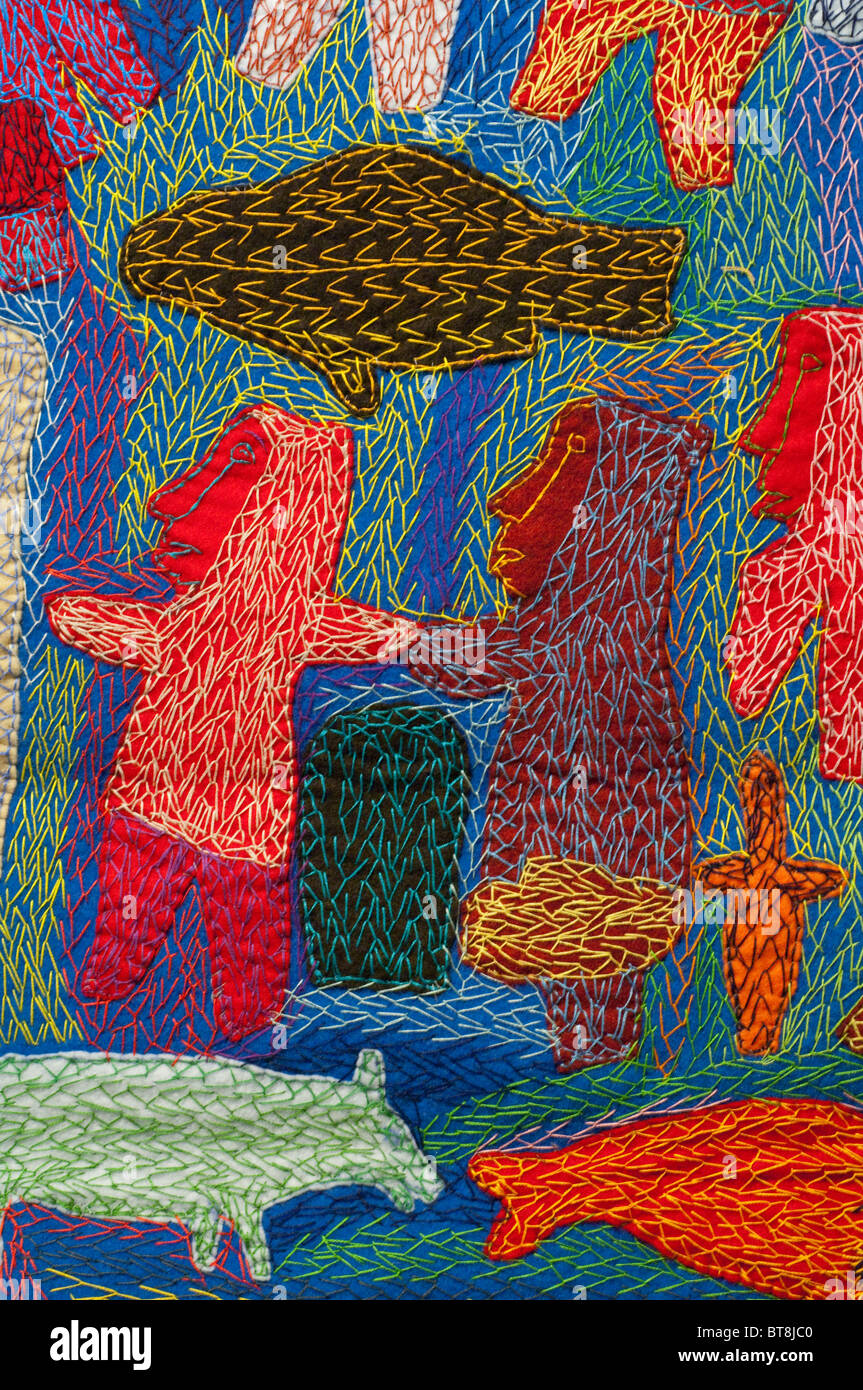
Inuit textile art represents a vibrant intersection of tradition and innovation. For centuries, Inuit communities across the Arctic have utilized readily available materials like animal hides and furs to create essential clothing and practical items. Today, while these skills endure, Inuit textile art has evolved into a powerful form of contemporary artistic expression, attracting global attention and acclaim.
This article delves into the fascinating world of modern Inuit textile art, exploring its historical roots, the diverse techniques employed, the prominent artists driving its evolution, and the cultural significance embedded within each piece. We will also address common questions surrounding this unique art form, offering a comprehensive understanding of its beauty and importance.
A History Woven in Survival
The history of Inuit textile art is inextricably linked to survival in the harsh Arctic environment. Before European contact, Inuit clothing was primarily crafted from animal skins – caribou, seal, and bear – expertly sewn together using sinew thread. These garments were not merely functional; they were meticulously designed and often adorned with intricate patterns and embellishments reflecting the maker’s skill and the wearer’s status.
Early techniques focused on achieving warmth and durability. Waterproof parkas made from seal intestines, carefully stitched with nearly invisible seams, are a testament to Inuit ingenuity. The use of natural dyes, derived from berries and minerals, added color and vibrancy to these essential items.
With the arrival of European traders and missionaries, new materials like wool and cotton fabrics became available. These were gradually incorporated into Inuit textile traditions, leading to new forms of artistic expression. However, the core principles of resourcefulness, functionality, and cultural storytelling remained central to the art form.
Modern Inuit Textile Art: A Tapestry of Innovation
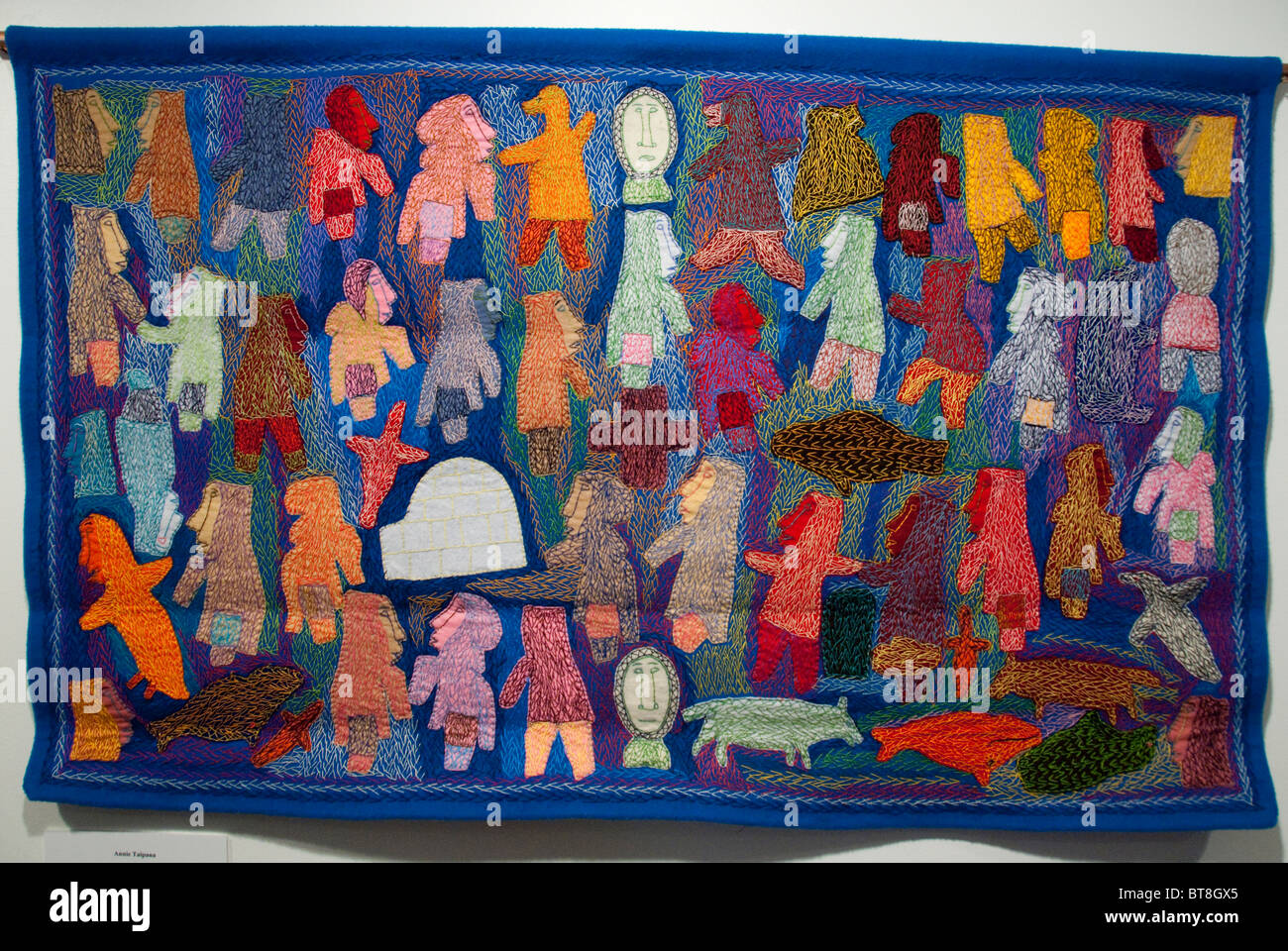
Modern Inuit textile art builds upon these historical foundations, embracing a wider range of materials, techniques, and artistic concepts. While traditional skills are still highly valued, contemporary artists are pushing boundaries and exploring new avenues of creative expression.
Materials: From Natural Fibers to Recycled Resources
While animal hides and furs remain important, modern Inuit textile artists also utilize a variety of other materials, including:
- Wool
- Cotton
- Felt
- Silk
- Beads
- Recycled plastics
- Natural materials like grasses and bark
The incorporation of recycled materials reflects a growing awareness of environmental sustainability within Inuit communities.
Techniques: A Blend of Tradition and Experimentation
Inuit textile artists employ a diverse range of techniques, often blending traditional methods with contemporary approaches. Some common techniques include:
- Sewing (both hand-sewing and machine sewing)
- Appliqué
- Embroidery
- Quilting
- Beadwork
- Weaving
- Felting
Appliqué, in particular, is a widely used technique, allowing artists to create intricate designs by layering different fabrics onto a background. Beadwork, often incorporating glass beads acquired through trade, adds texture and visual interest to garments and wall hangings.
Themes and Motifs: Storytelling Through Textiles
Inuit textile art is deeply rooted in storytelling. Many pieces depict scenes from traditional Inuit life, legends, and mythology. Common themes include:
- Hunting scenes
- Animal representations (caribou, seals, polar bears, birds)
- Spiritual beliefs and shamanistic practices
- Family and community life
Abstract designs and geometric patterns are also frequently used, often carrying symbolic meanings related to the Arctic landscape and the natural world.

Prominent Inuit Textile Artists: Shaping the Future
Several contemporary Inuit textile artists have gained international recognition for their innovative and thought-provoking work. These artists are not only preserving traditional skills but also pushing the boundaries of the art form and using their work to address contemporary issues.
Examples include:
- Elisapee Ishulutaq: Known for her large-scale felt appliqué wall hangings depicting scenes from Inuit life and mythology.
- Victoria Okpik: Creates intricate beadwork and embroidered garments that celebrate Inuit culture and identity.
- Annie Pootoogook: (Though primarily a drawer) Her work has inspired textile artists with its raw depictions of modern Inuit life.
These artists, along with many others, are playing a vital role in preserving and promoting Inuit culture through their textile art.
The Cultural Significance of Inuit Textile Art
Inuit textile art is more than just aesthetically pleasing; it is a powerful expression of cultural identity, resilience, and connection to the land. Each piece carries with it a story, a history, and a deep understanding of the Arctic environment.
The creation and sharing of textile art also plays an important role in community building and knowledge transmission. Traditional skills are often passed down through generations, ensuring the continuity of Inuit cultural heritage.
Furthermore, Inuit textile art provides a platform for addressing contemporary issues facing Inuit communities, such as climate change, cultural preservation, and social justice. Artists are using their work to raise awareness and promote dialogue about these important topics.
Preserving and Promoting Inuit Textile Art
Several organizations and initiatives are dedicated to preserving and promoting Inuit textile art. These include:
- Craft Councils: Provide support and resources for Inuit artists.
- Museums and Galleries: Showcase Inuit textile art to a wider audience.
- Educational Programs: Offer workshops and training in traditional textile techniques.
- Online Platforms: Facilitate the sale and distribution of Inuit art.
By supporting these initiatives, we can help ensure that Inuit textile art continues to thrive and that future generations have the opportunity to learn and appreciate this unique and important art form.
Answering Your Questions About Inuit Textile Art
What materials are traditionally used in Inuit textile art?
Traditionally, Inuit textile art primarily used animal hides (caribou, seal, bear), furs, and sinew thread. Natural dyes derived from berries and minerals were also used for coloring.
What are some common motifs in Inuit textile art?
Common motifs include hunting scenes, animal representations (caribou, seals, polar bears, birds), spiritual beliefs, family life, and geometric patterns.
How has Inuit textile art evolved over time?
Inuit textile art has evolved from primarily functional clothing made from animal hides to a diverse art form incorporating new materials and techniques while retaining its cultural storytelling aspects.
Where can I buy authentic Inuit textile art?
Authentic Inuit textile art can be purchased from reputable galleries, craft councils, and online platforms that support Inuit artists directly. Ensure the piece comes with proper documentation and provenance.
How can I support Inuit textile artists?
You can support Inuit textile artists by purchasing their work, attending exhibitions, donating to organizations that support Inuit art, and spreading awareness about this unique art form.
Conclusion: A Continuing Legacy
Inuit textile art stands as a testament to the enduring creativity and resilience of Inuit communities. From its origins as a practical necessity to its current status as a celebrated art form, it continues to evolve and adapt while remaining deeply rooted in Inuit culture and traditions.
By appreciating and supporting Inuit textile art, we contribute to the preservation of a rich cultural heritage and empower Inuit artists to continue sharing their stories with the world. The modern renaissance of this art form promises a vibrant future, where tradition and innovation intertwine to create breathtaking works of art that speak to the heart of the Arctic.
The intricate stitches, the vibrant colors, and the powerful narratives woven into each piece serve as a reminder of the strength, ingenuity, and enduring spirit of the Inuit people. As we look to the future, let us celebrate and support the ongoing evolution of Inuit textile art, ensuring that its legacy continues to inspire and enrich our world.


