Yupik masks stand as powerful testaments to the rich cultural heritage and spiritual beliefs of the Yupik people of Alaska and Siberia. These aren’t mere decorative objects; they are potent ceremonial tools, imbued with deep meaning and actively used in rituals, dances, and storytelling. Understanding Yupik masks requires delving into the intricate world of Yupik cosmology, social structure, and artistic traditions. This article aims to provide a comprehensive overview of Yupik masks, exploring their creation, symbolism, and enduring significance.
What are Yupik Masks?
Yupik masks are traditionally hand-carved wooden objects, often adorned with feathers, animal fur, paint, and other natural materials. They represent spirits, animals, mythical beings, or abstract concepts that are central to Yupik worldview. Each mask is unique, reflecting the vision of the shaman or artist who created it, as well as the specific purpose it serves within the community. They are not simply representations, but are believed to embody the spirit or entity they depict, allowing the wearer to connect with the supernatural realm.
Historical Context and Cultural Significance
The use of masks in Yupik culture dates back centuries, with archaeological evidence suggesting their presence in the region for over two thousand years. Traditionally, masks were integral to various ceremonies, including those related to hunting, healing, and honoring the spirits of ancestors. These ceremonies served to maintain balance within the community and between the human and natural worlds. The masks played a crucial role in these ceremonies, acting as conduits for communication with the spirit world and ensuring the continued well-being of the Yupik people. The creation and use of masks were carefully regulated by cultural protocols, often involving specific rituals and knowledge passed down through generations.
The Making of a Yupik Mask: A Sacred Process
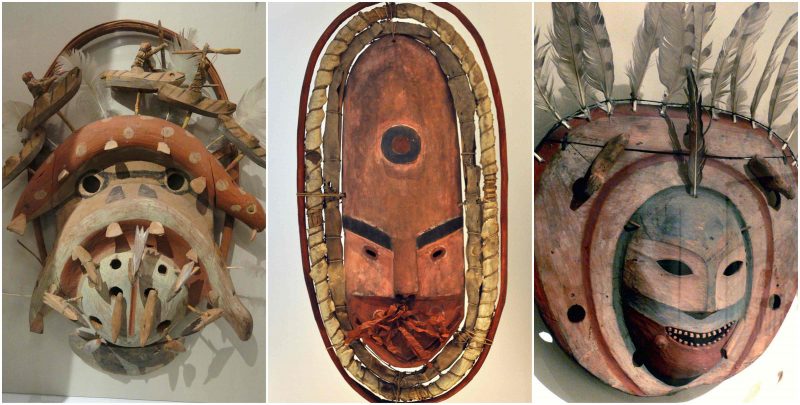
Creating a Yupik mask is far more than just woodworking; it is a sacred process that involves careful planning, spiritual preparation, and artistic skill. The process typically begins with a vision or dream experienced by a shaman or respected community member. This vision dictates the form and symbolism of the mask. The artist, who is often a skilled carver and knowledgeable about Yupik traditions, then selects the appropriate materials, usually driftwood or locally sourced wood. The carving process is often accompanied by prayers and rituals, ensuring that the mask is imbued with the proper spiritual energy.
Once the carving is complete, the mask is adorned with various materials, each carrying its own symbolic weight. Feathers, for example, might represent birds and their connection to the sky, while animal fur might symbolize the strength and spirit of the animal. Paint, often made from natural pigments, is used to enhance the mask’s features and convey specific meanings. The completed mask is then considered a living entity, treated with respect and care.
Symbolism and Meaning in Yupik Masks
Yupik masks are rich in symbolism, with each element conveying specific meanings related to Yupik cosmology and beliefs. Understanding this symbolism is key to appreciating the depth and complexity of these ceremonial objects.
Animal Representations: Animals play a central role in Yupik life and spirituality, and they are frequently depicted in masks. Each animal represents specific qualities or powers. For example, the seal might symbolize resourcefulness and adaptability, while the bear might represent strength and courage. Masks depicting animals are often used in hunting rituals to ensure a successful hunt and to honor the spirit of the animal.
Spirits and Mythical Beings: Many Yupik masks represent spirits, mythical beings, or ancestors. These masks are used in ceremonies to communicate with the spirit world, seek guidance, or honor the deceased. The representations of these beings can be quite varied, ranging from realistic depictions to highly abstract forms.
Cosmological Concepts: Some masks depict abstract concepts related to Yupik cosmology, such as the balance between the human and natural worlds, the cycles of life and death, or the interconnectedness of all things. These masks are often used in ceremonies to reaffirm these beliefs and maintain harmony within the community.
Transformational Masks: A particularly fascinating type of Yupik mask is the transformational mask. These masks are designed with hinged or movable parts that allow the wearer to reveal different aspects of the represented being. For example, a mask might start as an animal and then transform into a human, symbolizing the interconnectedness of the two realms or the shaman’s ability to travel between worlds.
The Role of Masks in Yupik Ceremonies
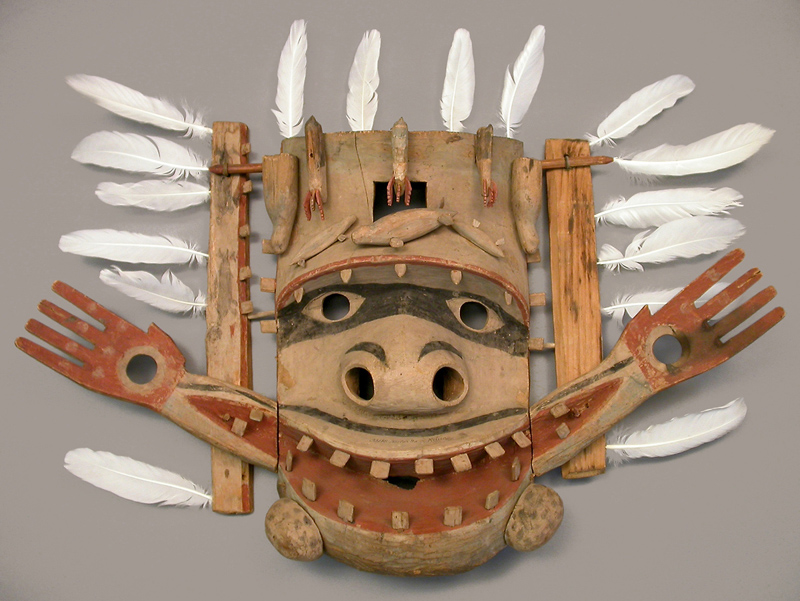
Yupik masks are not static objects; they come alive during ceremonies, dances, and storytelling events. These events serve various purposes, including celebrating successful hunts, honoring the spirits of ancestors, and maintaining social cohesion within the community.
Hunting Ceremonies: Masks are often used in hunting ceremonies to ensure a successful hunt and to honor the spirits of the animals. The dancers wearing the masks mimic the movements of the animals, demonstrating respect and seeking their cooperation.
Healing Ceremonies: Shamans use masks in healing ceremonies to connect with the spirit world and seek guidance in curing illnesses. The masks help the shaman to diagnose the cause of the illness and to perform rituals to restore balance and harmony to the patient.
Storytelling and Performance: Masks are also used in storytelling and performance events to bring the stories to life and engage the audience. The dancers wearing the masks act out the stories, using movement, song, and gestures to convey the meaning and emotions.
Examples of Notable Yupik Masks and Ceremonies
The Bladder Festival: This annual festival honors the spirits of seals and other sea mammals that have been harvested for food and resources. Masks depicting these animals are used in dances and rituals to thank the spirits for their generosity and to ensure continued success in hunting.
The Keleknek Mask: These masks, often featuring elaborate carvings and adornments, represent powerful spirits or ancestors. They are used in ceremonies to invoke the power and wisdom of these beings and to seek their guidance.
The Tunghak Masks: These masks represent helping spirits that assist shamans in their work. They are used in healing ceremonies and other rituals to connect with the spirit world and to gain access to supernatural powers.
Preservation and Contemporary Significance
Today, Yupik masks are recognized as important works of art and cultural heritage. Many museums and cultural institutions around the world have collections of Yupik masks, and efforts are being made to preserve and promote this unique art form. Contemporary Yupik artists continue to create masks, drawing inspiration from traditional designs and techniques while also exploring new forms of expression.
The preservation of Yupik masks and the traditions associated with them is crucial for maintaining the cultural identity of the Yupik people. By understanding and appreciating the significance of these ceremonial objects, we can help to ensure that they continue to inspire and enrich future generations.
Where to See Yupik Masks
- The Smithsonian National Museum of Natural History (Washington, D.C.)
- The Anchorage Museum (Alaska)
- The University of Alaska Museum of the North (Fairbanks)
- The British Museum (London)
These institutions often provide detailed exhibits explaining the history, symbolism, and cultural context of Yupik masks.
Conclusion
Yupik masks are far more than just beautiful objects; they are powerful symbols of Yupik culture, spirituality, and artistic expression. They serve as a bridge between the human and spirit worlds, connecting the Yupik people to their ancestors, their environment, and their deepest beliefs. By understanding the creation, symbolism, and use of Yupik masks, we can gain a deeper appreciation for the rich cultural heritage of the Yupik people and the enduring power of ceremonial art.
Key Takeaways
- Yupik masks are ceremonial objects used in rituals, dances, and storytelling.
- They represent spirits, animals, mythical beings, or abstract concepts.
- The creation of a mask is a sacred process involving spiritual preparation and artistic skill.
- Masks are rich in symbolism, with each element conveying specific meanings.
- Yupik masks play a crucial role in maintaining balance within the community and between the human and natural worlds.


