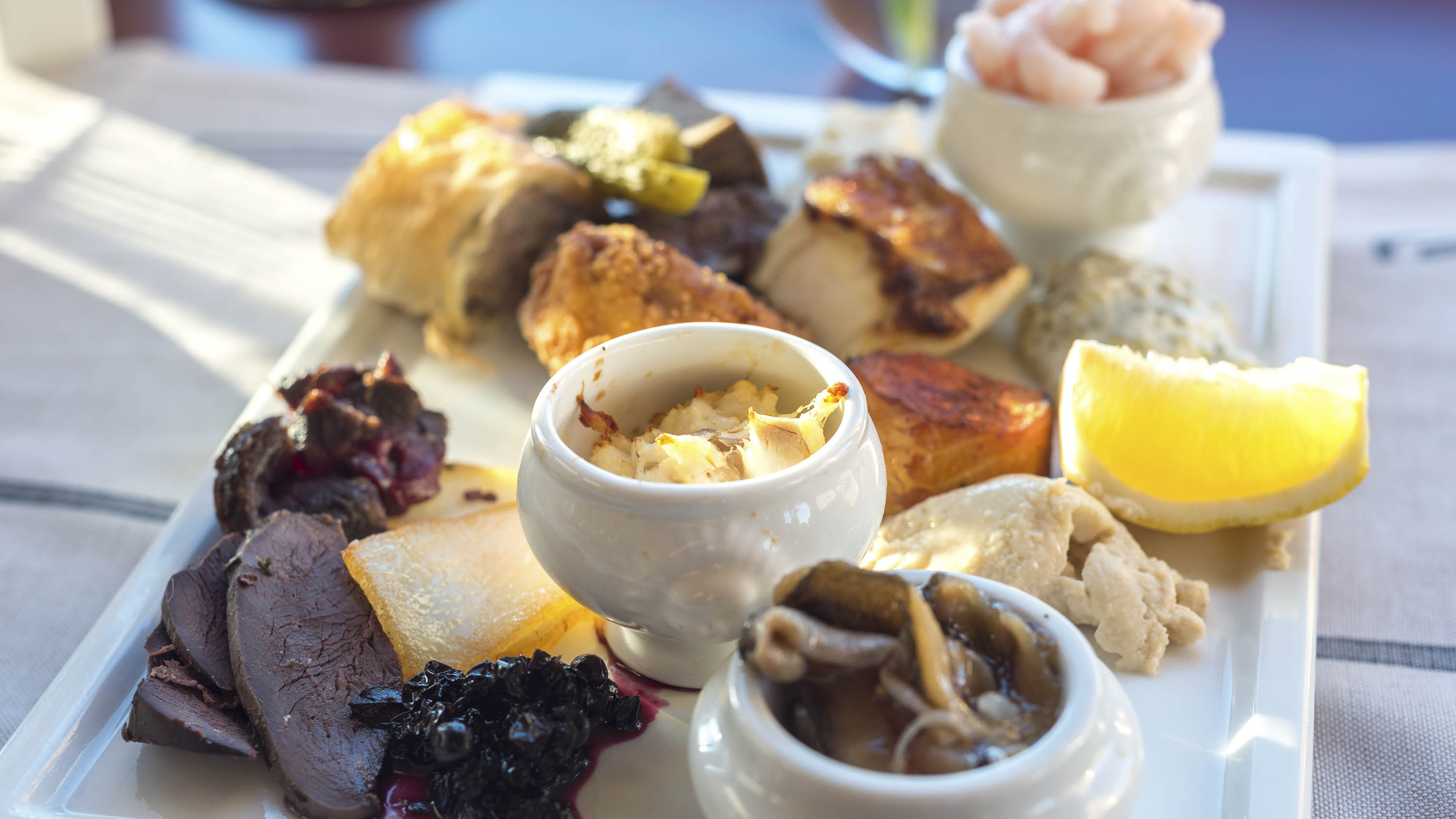
The Arctic landscape, with its vast ice and unforgiving climate, has shaped one of the world’s most unique and resilient culinary traditions: Inuit traditional food. Far from a simple means of survival, these foods are deeply interwoven with culture, community, and an profound understanding of the natural world. This article explores the rich tapestry of Inuit traditional food, from its core ingredients to its preparation and enduring significance.
For millennia, Inuit communities have thrived in extreme conditions by mastering the art of harvesting and preparing food from their immediate environment. Their diet, often misunderstood by outsiders, is a testament to ingenious adaptation and sustainable living, providing essential nutrients in a region where agriculture is virtually impossible.
At its heart, the traditional Inuit diet is a high-protein, high-fat, and low-carbohydrate regimen, primarily sourced from marine mammals, fish, and land animals. This nutritional profile is perfectly suited to provide the energy and warmth necessary to endure the Arctic’s frigid temperatures and physically demanding lifestyle.
The Foundation: Gifts from the Land and Sea
The cornerstone of Inuit cuisine is the abundance of wildlife found in the Arctic. Every part of an animal is traditionally utilized, minimizing waste and maximizing nutritional intake. This practice reflects a deep respect for the animals that sustain them.
Seal (Natsiq) is arguably the most vital resource. Seal meat is rich in iron, protein, and essential fatty acids. It can be eaten raw, boiled, or dried. The blubber, or fat, provides critical energy and warmth, and is a significant source of vitamins.
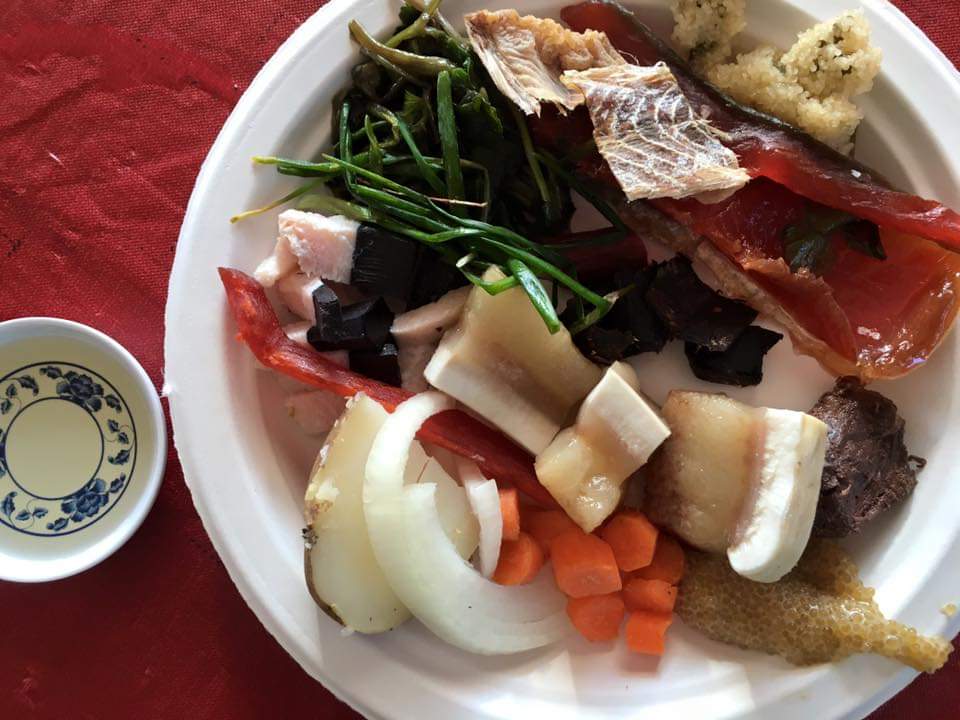
Traditional preparation of seal often involves cutting it into small pieces, sometimes eaten immediately after a hunt. It can also be boiled into a hearty stew, often with minimal other ingredients, allowing the natural flavors to shine.
Caribou (Tuktu) is another central component of the diet, especially for inland communities. Every part of the caribou is valued, from its nutrient-dense organ meats to its muscle tissue, which can be enjoyed fresh, dried into jerky (nikku), or incorporated into stews.
Caribou broth is a staple, providing warmth and hydration, while dried caribou is an excellent, portable source of sustenance for hunters and travelers.
Fish (Iqaluk), particularly Arctic char, cod, and various salmon species, are crucial food sources, especially during summer months and in coastal regions. Fish can be eaten fresh, frozen, or dried. Arctic char, known for its rich flavor and high Omega-3 content, is a particular delicacy.
Whale (Arviq/Aarluk), including beluga and narwhal, provides muktuk – the skin and blubber. Muktuk is highly prized for its nutritional value, offering significant amounts of Vitamin C (a rare find in an animal-based diet) and Vitamin D, along with healthy fats.
Muktuk is typically eaten raw, often sliced into small pieces. Its texture is unique – firm skin with a chewy, fatty layer. It’s a powerful energy source and a deeply cultural food, often shared during gatherings.
Birds (Tingmiaq) such as ptarmigan, geese, and ducks, are hunted seasonally. They provide a welcome variety of protein and are often roasted or stewed. Their eggs are also gathered when available.
Berries and Plants are scarce but valued. Crowberries, blueberries, and cloudberries are gathered during the brief Arctic summer. These provide rare sources of carbohydrates and vitamins, often mixed with fat or incorporated into desserts like akkutaq.
Traditional Preparation Techniques: Ingenuity and Nutrition

Inuit traditional food preparation prioritizes nutrient preservation and efficient use of resources. Cooking methods are often simple yet highly effective.
Raw Consumption (Ningiuk) is a hallmark of the traditional Inuit diet. Eating meat and fish raw preserves enzymes, vitamins, and minerals that can be lost through cooking. This method is particularly important for obtaining Vitamin C from fresh meat, especially from organs.
Boiling and Stewing are common cooking methods, especially for tougher cuts of meat or for creating warm, comforting meals. Soups and stews like suaasat (a hearty seal or caribou soup) are staples, providing warmth and easy digestion.
Drying and Freezing are natural preservation techniques. The cold, dry Arctic air is perfect for air-drying meat and fish, creating nutrient-dense, long-lasting provisions. Freezing meat and fish solid in the natural cold allows for storage without modern refrigeration.
Fermentation, though less common for daily meals, has also been historically practiced, such as in the creation of kiviaq (fermented whole birds in a seal skin), a delicacy for special occasions, showcasing extreme resourcefulness.
Iconic Inuit Dishes and Their Significance
- Muktuk: As mentioned, this beluga or narwhal skin and blubber is a powerhouse of nutrition and a symbol of Arctic life. It’s often shared communally, reinforcing social bonds.
- Akkutaq (Eskimo Ice Cream): This unique dish is a blend of whipped fat (often seal fat or caribou tallow), berries, and sometimes ground meat or fish. It’s a calorie-dense, delicious treat, especially popular during celebrations.
- Pemmican: Historically vital for hunters and travelers, pemmican is a concentrated mix of dried meat, rendered fat, and sometimes berries. It’s incredibly energy-dense and shelf-stable, perfect for long journeys.
- Suaasat: A warming, nourishing soup or stew, typically made with seal, caribou, or fish, water, and sometimes rice or barley (a more recent addition). It’s a comforting staple, particularly during cold months.
Nutritional Powerhouse: Health Benefits of the Inuit Diet
The traditional Inuit diet is remarkably healthy, designed by necessity to provide maximum nutrition from limited resources. It stands in stark contrast to many modern Western diets.
It is exceptionally rich in Omega-3 fatty acids, primarily from marine mammals, which are crucial for heart health, brain function, and reducing inflammation. This abundance of Omega-3s is often cited as a reason for the historically low rates of cardiovascular disease among Inuit populations.
Organ meats (liver, heart, kidney) are consumed regularly and are packed with vitamins and minerals, including Vitamin A, Vitamin D, Vitamin B12, iron, zinc, and selenium. These are essential for bone health, immune function, and energy.
Despite the lack of plant-based foods, the traditional diet provides sufficient Vitamin C, primarily from raw meat, particularly organ meats like liver, and muktuk. This debunks the myth that Vitamin C can only come from fruits and vegetables.
The high fat content, primarily from healthy animal fats, provides sustained energy and aids in the absorption of fat-soluble vitamins, crucial for thermal regulation in the cold Arctic environment.
Cultural Significance and Community Sharing
Food in Inuit culture is far more than sustenance; it is a cornerstone of identity, community, and tradition. Hunting, harvesting, and sharing food are central to social cohesion and the transmission of knowledge.
The act of sharing a fresh kill (nukattalirtuq) is a deeply ingrained practice, ensuring that everyone in the community, especially elders and those unable to hunt, receives a portion. This fosters interdependence and strengthens community bonds.
Traditional foodways reinforce a profound respect for animals and the environment. Hunters often offer thanks to the spirit of the animal, recognizing their interconnectedness with the natural world. This ethos promotes sustainable hunting practices.
Elders play a crucial role in passing down knowledge about hunting techniques, animal behavior, food preparation, and preservation to younger generations, ensuring the continuity of these vital traditions.
Modern Adaptations and Challenges
While traditional food remains vital, Inuit communities today face new challenges. Climate change impacts hunting routes and animal populations, making traditional harvesting more difficult and unpredictable.
The increasing availability of store-bought, processed foods has introduced new dietary patterns, sometimes leading to health issues like diabetes and heart disease, which were historically rare.
Experiencing Inuit Food: Respect and Understanding
For those interested in experiencing Inuit traditional food, it is important to do so respectfully and ethically. Visiting Inuit communities, participating in cultural events (where appropriate), and seeking out authentic experiences are ways to learn.
Understanding the legal and ethical frameworks surrounding Indigenous food sourcing is crucial. Supporting Inuit-owned businesses and cultural centers that promote traditional foods helps sustain these practices.
Resources such as Inuit cookbooks, documentaries, and cultural organizations offer valuable insights into this rich culinary heritage, allowing for a deeper appreciation of its complexities and significance.
Conclusion: A Legacy of Resilience and Wisdom
Inuit traditional food is a remarkable testament to human ingenuity, resilience, and profound ecological understanding. It represents a diet perfectly attuned to its environment, providing not only sustenance but also a deep connection to culture, community, and ancestral wisdom.
From the nutrient-dense muktuk to the warming suaasat, each dish tells a story of survival, adaptation, and a harmonious relationship with the Arctic. As the world faces new challenges, the lessons embedded in Inuit traditional food – sustainability, resourcefulness, and community – offer invaluable insights for us all.
Preserving and celebrating these traditional foodways is not just about keeping recipes alive; it’s about honoring a living culture, ensuring food security in the North, and recognizing the wisdom of those who have thrived in one of the planet’s most demanding environments for thousands of years.


