The Arctic landscape, often perceived as harsh and unforgiving, has for millennia sustained vibrant human cultures. Among them, the Inupiat people of Northern Alaska have developed a remarkable way of life centered around subsistence hunting. Their traditional diet, deeply intertwined with their cultural identity and survival, is a testament to human ingenuity and adaptation.
This comprehensive article will delve into the intricacies of the Inupiat subsistence hunting diet, exploring its historical roots, key food sources, unparalleled nutritional benefits, and the profound cultural significance it holds. We will also examine the contemporary challenges facing this ancient practice and the ongoing efforts to preserve it for future generations.
What is Inupiat Subsistence Hunting?
At its core, Inupiat subsistence is not merely about food consumption; it is a holistic lifestyle encompassing hunting, fishing, gathering, processing, and sharing wild resources. It represents a profound connection to the land, sea, and animals, guided by ancestral knowledge passed down through generations. This practice ensures food security, cultural continuity, and community cohesion.
For the Inupiat, ‘subsistence’ means living off the land and sea, utilizing natural resources to meet their fundamental needs. This includes not only food but also materials for clothing, shelter, tools, and spiritual practices. The diet itself is a direct reflection of the Arctic environment, rich in protein and essential fats.
A Historical Perspective: Adapting to the Arctic
The Inupiat have inhabited the Arctic regions of Alaska for thousands of years, evolving sophisticated hunting techniques and an intimate understanding of their environment. Their ancestors migrated across the Bering Land Bridge, gradually adapting to the extreme cold and unique ecosystems of the Far North. This long history has forged a deep respect for nature and its delicate balance.
Survival in the Arctic demanded a diet rich in energy and nutrients. Without access to agriculture, the Inupiat developed a diet almost entirely composed of wild game, fish, and marine mammals. This adaptation showcases an incredible understanding of local biodiversity and seasonal cycles.
Key Components of the Traditional Inupiat Diet
The Inupiat diet is characterized by its reliance on a variety of Arctic species, each contributing unique nutritional elements. The primary sources of food come from both the sea and the land.
Marine Mammals: The Pillars of Sustenance
Marine mammals are central to the Inupiat diet, providing not only sustenance but also materials for tools and clothing. Whales, seals, and walruses are particularly vital.
- Bowhead Whale (Argaq): The bowhead whale hunt is a cornerstone of Inupiat culture and diet. Whale meat (mikigaq), blubber (muktuk), and skin are highly prized for their nutritional value, especially healthy fats (omega-3s) and vitamin D. Muktuk is a delicacy, often eaten raw or frozen.
- Seals (Natchiq, Qasigiaruk, etc.): Various species of seals, including ringed seals, bearded seals, and spotted seals, are regularly hunted. Seal meat and blubber are staple foods, providing protein, iron, and essential fatty acids. Seal oil is also a significant source of vitamins.
- Walrus (Aiviq): Walrus meat, blubber, and internal organs are consumed. Walrus hunting is often a community effort, ensuring that its large yield can be processed and distributed efficiently.
Land Mammals: Seasonal Staples
While marine resources are paramount, land mammals also play a crucial role, especially during certain seasons.
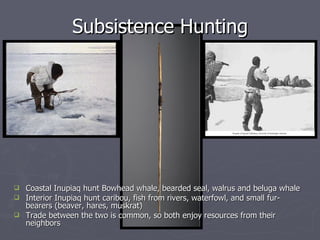
- Caribou (Tuttu): Caribou meat is a primary source of lean protein. Every part of the caribou is utilized, including organs, bone marrow, and even stomach contents, which can provide trace vitamins.
- Moose (Tulugaq): In some regions, moose hunting provides a significant amount of meat, similar to caribou.
- Polar Bear (Nanuk): Polar bear meat is consumed, though hunting is highly regulated. The liver, however, is avoided due to dangerously high levels of Vitamin A.
Fish, Birds, and Wild Plants
Fish and birds add variety and essential nutrients, while wild plants, though scarce, offer important vitamins.
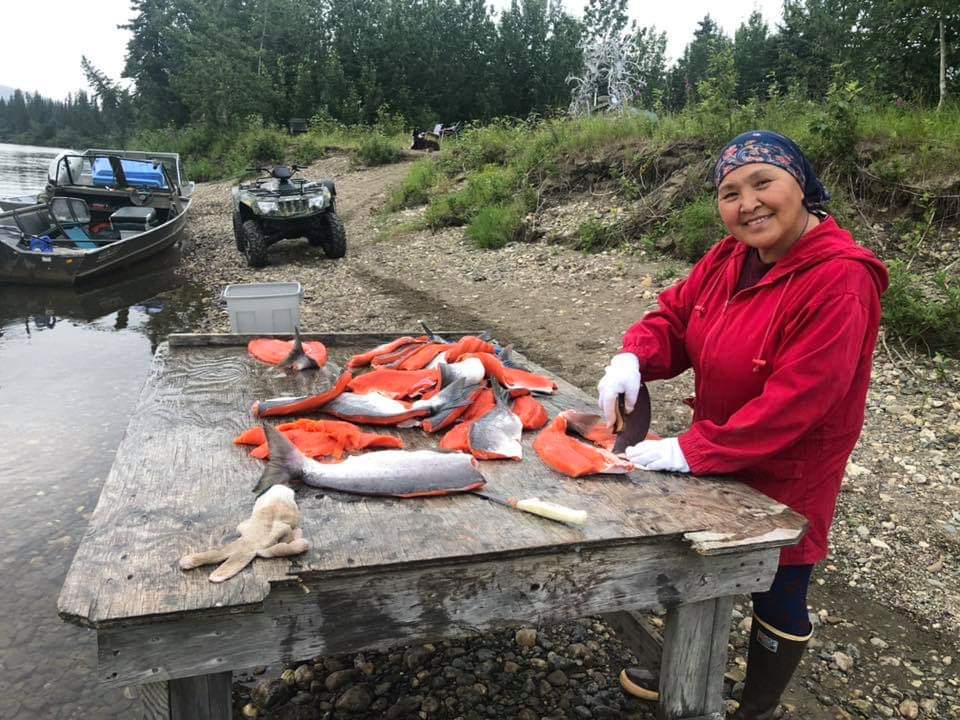
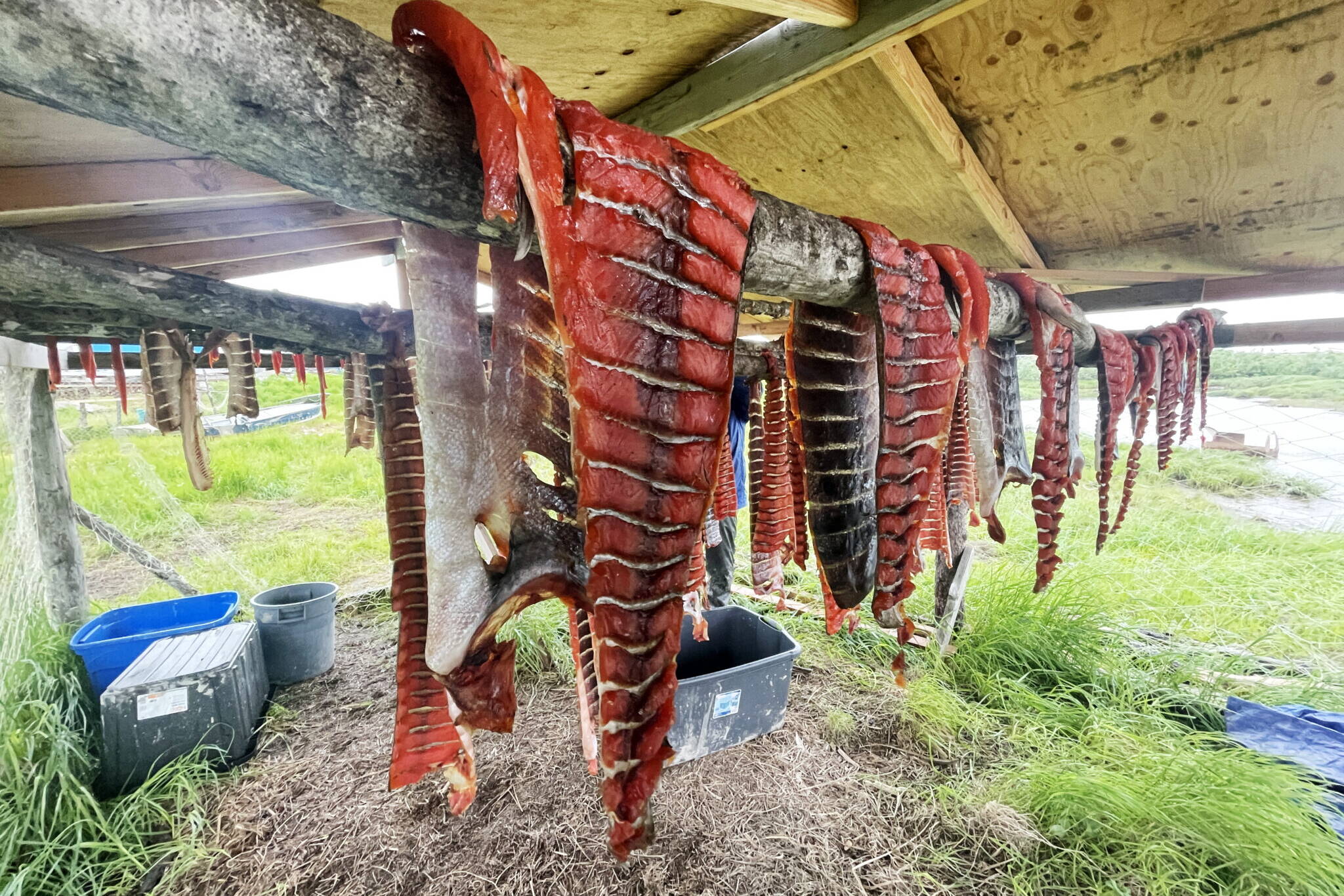
- Fish: Arctic char, whitefish, salmon, and cod are important sources of protein and omega-3s. Fishing is done through ice holes in winter and nets or lines in summer.
- Birds: Various migratory birds, such as ducks, geese, and ptarmigan, are hunted for their meat and eggs during spring and summer.
- Wild Berries and Plants: Limited but vital, wild berries (e.g., blueberries, cranberries), roots, and greens are gathered in the brief summer months, providing vitamins and fiber that are otherwise rare in the Arctic diet.
The Unparalleled Nutritional Prowess of the Inupiat Diet
The traditional Inupiat diet is remarkably balanced and nutritionally dense, perfectly adapted to the demands of Arctic life. Despite the absence of cultivated fruits and vegetables, it provides all necessary nutrients.
It is exceptionally high in protein, crucial for maintaining muscle mass and energy in a cold environment. The abundance of healthy fats, particularly omega-3 fatty acids from marine mammals, is vital for heart health, brain function, and reducing inflammation. These fats also provide a concentrated source of energy.
Vitamins and minerals are obtained from diverse sources. For instance, vitamin D is plentiful in marine mammal blubber and liver, while vitamin C can be found in small amounts in fresh raw meat, certain berries, and the skin of whales. Iron, zinc, and other essential minerals are readily available in organ meats and blood.
Cultural Significance: More Than Just Food
The Inupiat subsistence diet is deeply embedded in the cultural fabric of the community. It is a cornerstone of their identity, spirituality, and social structure.
Hunting and fishing are not solitary acts but often communal endeavors, reinforcing social bonds and mutual support. The sharing of harvests, particularly large game like whales and caribou, is a fundamental practice that ensures everyone in the community benefits and strengthens kinship ties. This sharing economy is critical for food security.
Traditional knowledge, including understanding animal behavior, weather patterns, and navigation, is passed down from elders to younger generations through active participation in subsistence activities. This intergenerational transfer of knowledge is vital for cultural preservation.
Ceremonies and celebrations, such as the Nalukataq (blanket toss) following a successful whaling season, highlight the spiritual connection to the animals and the profound gratitude for the harvest. These events reinforce community values and cultural heritage.
Modern Challenges and Resilience
Today, the Inupiat subsistence hunting diet faces numerous significant challenges, threatening its continuity and the well-being of the communities.
Climate Change: A Dire Threat
Climate change is perhaps the most pressing issue. Rapidly melting sea ice impacts the migration patterns and habitats of marine mammals, making hunting more dangerous and less predictable. Thinner ice also affects travel routes for hunters, increasing risks and reducing access to traditional hunting grounds. Changing weather patterns also affect caribou migration and plant growth.
Regulatory Frameworks and External Pressures
Increasing governmental regulations, often designed for broader conservation efforts, can sometimes clash with traditional Inupiat hunting rights and practices. Balancing indigenous rights with modern environmental policies requires careful navigation and respect for local knowledge.
Economic and Social Shifts
The high cost of modern hunting equipment, fuel for boats and snow machines, and other supplies can be prohibitive. While subsistence foods are ‘free’ at the point of harvest, the investment in acquiring them is substantial. The introduction of store-bought, processed foods also presents health challenges, leading to increased rates of diabetes and other Western diseases.
Preserving the Future: Adaptation and Advocacy
Despite these challenges, Inupiat communities demonstrate incredible resilience and are actively working to preserve their traditions. Efforts include documenting traditional knowledge, advocating for indigenous rights in policy-making, and integrating traditional foods into modern health and education programs.
Education plays a vital role, teaching younger generations the skills, values, and language associated with subsistence. Community-led initiatives focus on sustainable hunting practices that respect both tradition and modern conservation science. International cooperation also helps address transboundary issues like migratory animal management.
Conclusion: A Legacy Worth Protecting
The Inupiat subsistence hunting diet is far more than a way to acquire food; it is a profound cultural system, a testament to human adaptability, and a model of sustainable living in one of the world’s most challenging environments. It provides unparalleled nutrition, strengthens community bonds, and transmits invaluable knowledge across generations.
As the Arctic faces unprecedented changes, supporting and understanding the Inupiat’s commitment to their traditional diet is crucial. It is a legacy that embodies resilience, respect for nature, and a deep connection to ancestral wisdom, offering vital lessons for all humanity on sustainable living and cultural preservation.


