
The vast, unforgiving landscapes of the Arctic have long demanded ingenuity and resilience from its inhabitants. For the Inupiat people of Alaska, the caribou (tuttu) is more than just a source of food; it is a cornerstone of their culture, economy, and survival. The ability to effectively preserve caribou meat has been, and remains, absolutely critical to sustaining communities through long, harsh winters, ensuring food security and cultural continuity.
This comprehensive guide delves into the traditional and modern methods employed by the Inupiat to preserve caribou meat, highlighting the profound wisdom embedded in practices honed over millennia. We will explore techniques like air-drying, natural freezing, and the cultural significance that underpins these vital skills.
The Lifeline of the Arctic: Caribou’s Central Role in Inupiat Culture
For the Inupiat, the caribou represents a spiritual connection, a provider, and a symbol of their enduring relationship with the land. Every part of the animal is utilized – meat for sustenance, hide for clothing and shelter, bones and antlers for tools. This deep respect for the caribou dictates careful harvesting and, crucially, meticulous preservation to honor its gift and ensure nothing goes to waste.
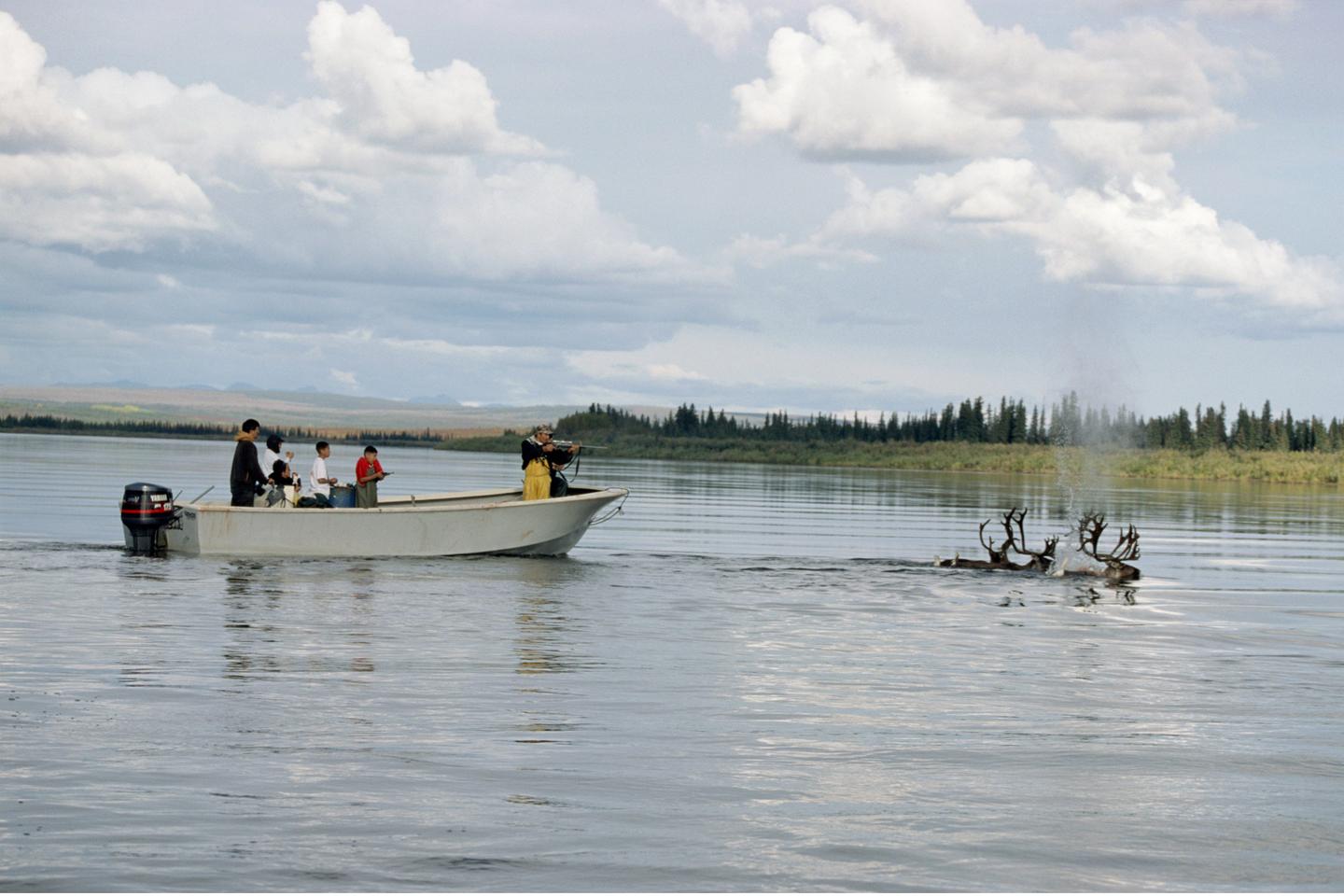
The seasonal migration of caribou herds dictates the rhythm of life for many Inupiat communities. Successful hunts yield an abundance of meat that must be processed quickly and efficiently. Without reliable preservation methods, such a bounty would be perishable, leading to scarcity in leaner times. Thus, preservation is not merely a culinary technique but a fundamental aspect of Arctic survival and food sovereignty.
Traditional Pillars of Preservation: Harnessing Nature’s Cold and Wind
Inupiat preservation techniques are deeply rooted in an intimate understanding of the Arctic environment. The extreme cold, dry air, and consistent winds are not obstacles but allies in the process of keeping meat safe and edible for extended periods. These methods are sustainable, low-tech, and remarkably effective.
Nuktuq: The Art of Air-Drying Caribou Meat
One of the most iconic and widely practiced Inupiat preservation methods is Nuktuq, the traditional air-drying of caribou meat. This technique leverages the Arctic’s natural conditions to remove moisture, inhibiting bacterial growth and extending shelf life significantly. It is a testament to the Inupiat’s profound knowledge of their environment.
The process begins immediately after a successful hunt. The caribou meat is carefully butchered into thin, long strips, often following the grain of the muscle. This maximizes surface area, allowing for quicker and more even drying. The strips are typically about an inch thick and several feet long, resembling jerky but often softer and more pliable.
These strips are then hung on racks, often made of driftwood or sturdy branches, in open-air locations where they are exposed to the cold, dry winds. Ideal conditions for Nuktuq involve temperatures below freezing, low humidity, and a steady breeze. The freezing temperatures prevent spoilage while the wind and dry air facilitate dehydration.
The drying process can take several weeks, depending on the thickness of the meat, humidity, and temperature. During this time, the meat gradually loses its moisture content, becoming firm but still tender. Once fully dried, Nuktuq can be stored for extended periods, sometimes up to a year or more, in cool, dry places, providing a vital food source through the harsh winter months.
Natural Freezing: The Arctic’s Ultimate Cold Storage
Before the advent of modern freezers, the Inupiat utilized the Arctic’s natural deep freeze – the permafrost and persistent cold temperatures – as their primary method for long-term meat storage. This method is incredibly simple yet highly effective.
After butchering, large cuts of caribou meat are often left to freeze solid naturally in the open air. Once frozen, they can be stored in various ingenious ways. One common method involves burying the frozen meat in snow or ice caches, sometimes digging into the permafrost itself. These natural ‘freezers’ maintain consistent sub-zero temperatures, keeping the meat perfectly preserved for months, or even years, without any additional energy input.
The advantage of natural freezing is its simplicity and scalability. Entire caribou carcasses, or large sections, can be stored this way. When needed, portions can be retrieved and allowed to thaw slowly, maintaining the meat’s quality and nutritional value. This method underscores the Inupiat’s deep understanding of their environment and their ability to live in harmony with it.
Rendering Fat: Maximizing Every Part
Beyond muscle meat, caribou fat is also meticulously processed and preserved. Rendering caribou fat into tallow provides a calorie-dense, stable source of energy. This tallow can be stored for long periods and used for cooking, as a supplement to other foods, or even for traditional lamps (qulliq). This practice ensures that no part of the animal goes to waste and maximizes the nutritional yield from each hunt.
From Field to Feast: Initial Processing of Caribou
The journey of caribou meat from the hunt to preservation begins with respectful and efficient field dressing. Hunters quickly and cleanly field-dress the animal to prevent spoilage, especially crucial in warmer hunting seasons. The carcass is then transported back to the community, often by snowmobile or boat, where more detailed butchering takes place.
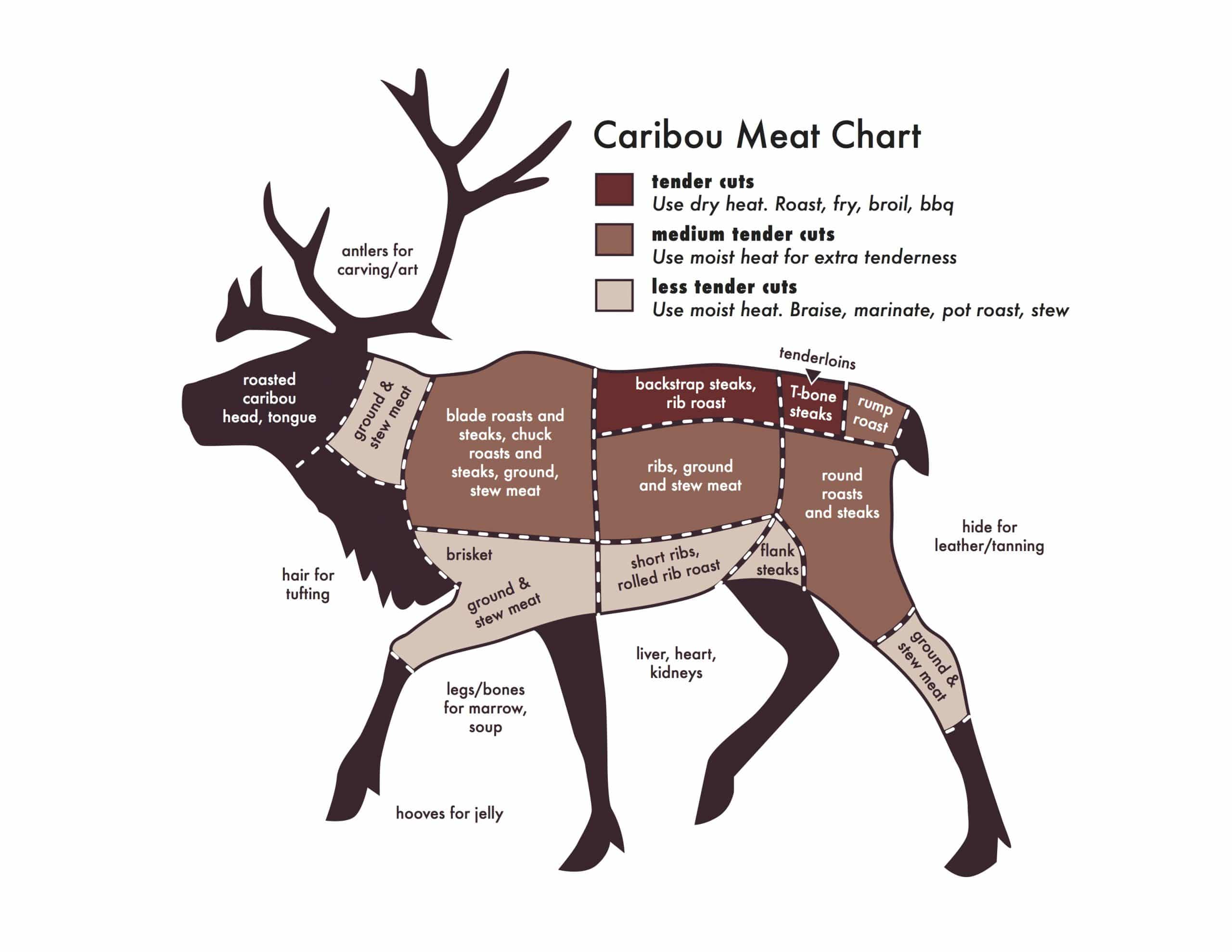
Butchering is a skilled art passed down through generations. Caribou are meticulously cut into specific portions suitable for different preservation methods – thin strips for Nuktuq, larger roasts or sections for natural freezing, and bones for broth or tools. This precise preparation is foundational to successful preservation.
Modern Adaptations and Enduring Wisdom
While traditional methods remain deeply respected and widely practiced, contemporary Inupiat communities often integrate modern technologies to enhance their food security. Chest freezers and refrigerators are now common in homes, providing convenient short- to medium-term storage.
However, these modern appliances often complement, rather than replace, traditional practices. Many families still produce Nuktuq, valuing its unique flavor and cultural significance. Traditional knowledge of butchering, field dressing, and understanding caribou behavior remains paramount, ensuring that the ancient wisdom continues to thrive alongside new tools.
The Nutritional Powerhouse of Preserved Caribou
Caribou meat, whether fresh or preserved, is a highly nutritious food source, essential for health in the Arctic. It is lean, rich in protein, and packed with essential vitamins and minerals, including iron, zinc, and B vitamins. The preservation methods, particularly drying and freezing, largely retain these vital nutrients.
For the Inupiat, a diet rich in traditional foods like caribou is linked to better health outcomes and protection against many modern chronic diseases. Preserved caribou provides sustained energy and critical nutrients, especially important during periods when fresh food might be scarce or inaccessible due to weather conditions.
Challenges in a Changing Arctic
The traditional practices of caribou meat preservation face new challenges in the 21st century. Climate change is perhaps the most significant threat, bringing warmer temperatures and unpredictable weather patterns. Thawing permafrost can compromise traditional ice cellars, and warmer, wetter conditions can make air-drying more difficult and risky.
Societal shifts, including increased access to store-bought foods and changing lifestyles, also pose challenges to the intergenerational transfer of traditional knowledge. However, many Inupiat communities are actively working to preserve and revitalize these vital skills, recognizing their importance for cultural identity and future food security.
Answering Your Questions: Inupiat Caribou Preservation FAQs
How did Native Americans preserve caribou?
Native American groups in Arctic and sub-Arctic regions, including the Inupiat, primarily preserved caribou through air-drying (like Nuktuq) and natural freezing in snow, ice, or permafrost caches. Rendering fat into tallow was also a common practice to maximize utility and extend shelf life.
What is Nuktuq and how is it made?
Nuktuq is traditional Inupiat air-dried caribou meat. It’s made by thinly slicing caribou meat and hanging it outdoors in cold, dry, windy conditions. The natural elements dehydrate the meat over several weeks, creating a shelf-stable, nutrient-rich food product. It’s similar to jerky but often retains a softer texture.
How long can preserved caribou meat last?
Properly prepared Nuktuq can last for up to a year or even longer when stored in cool, dry conditions. Naturally frozen caribou meat stored in permafrost or deep ice caches can remain viable for several years, retaining much of its quality due to the consistent sub-zero temperatures.
Are traditional Inupiat preservation methods still used today?
Absolutely. While modern freezers are common, traditional methods like Nuktuq and natural freezing are still widely practiced and highly valued. They represent cultural continuity, a connection to the land, and a reliable backup for food security, often used in conjunction with modern technologies.
What makes preserved caribou so important to the Inupiat?
Preserved caribou is crucial for the Inupiat because it ensures food security throughout the long Arctic winters, provides essential nutrition, and strengthens cultural identity. It embodies traditional knowledge, respect for the land, and the resilience of a people who have thrived in one of the world’s most challenging environments for millennia.
The Enduring Legacy of Inupiat Ingenuity
The Inupiat methods of caribou meat preservation are far more than mere techniques; they are a profound expression of cultural heritage, ecological knowledge, and sustainable living. In an era where global food systems face increasing pressures, the wisdom embedded in these ancient practices offers invaluable lessons in resilience, resourcefulness, and responsible stewardship.
As the Arctic continues to change, the importance of understanding, respecting, and supporting the Inupiat’s traditional foodways becomes ever more critical. Their ingenuity in preserving caribou meat is a testament to the enduring human spirit and a vital contribution to our collective knowledge of sustainable living.


