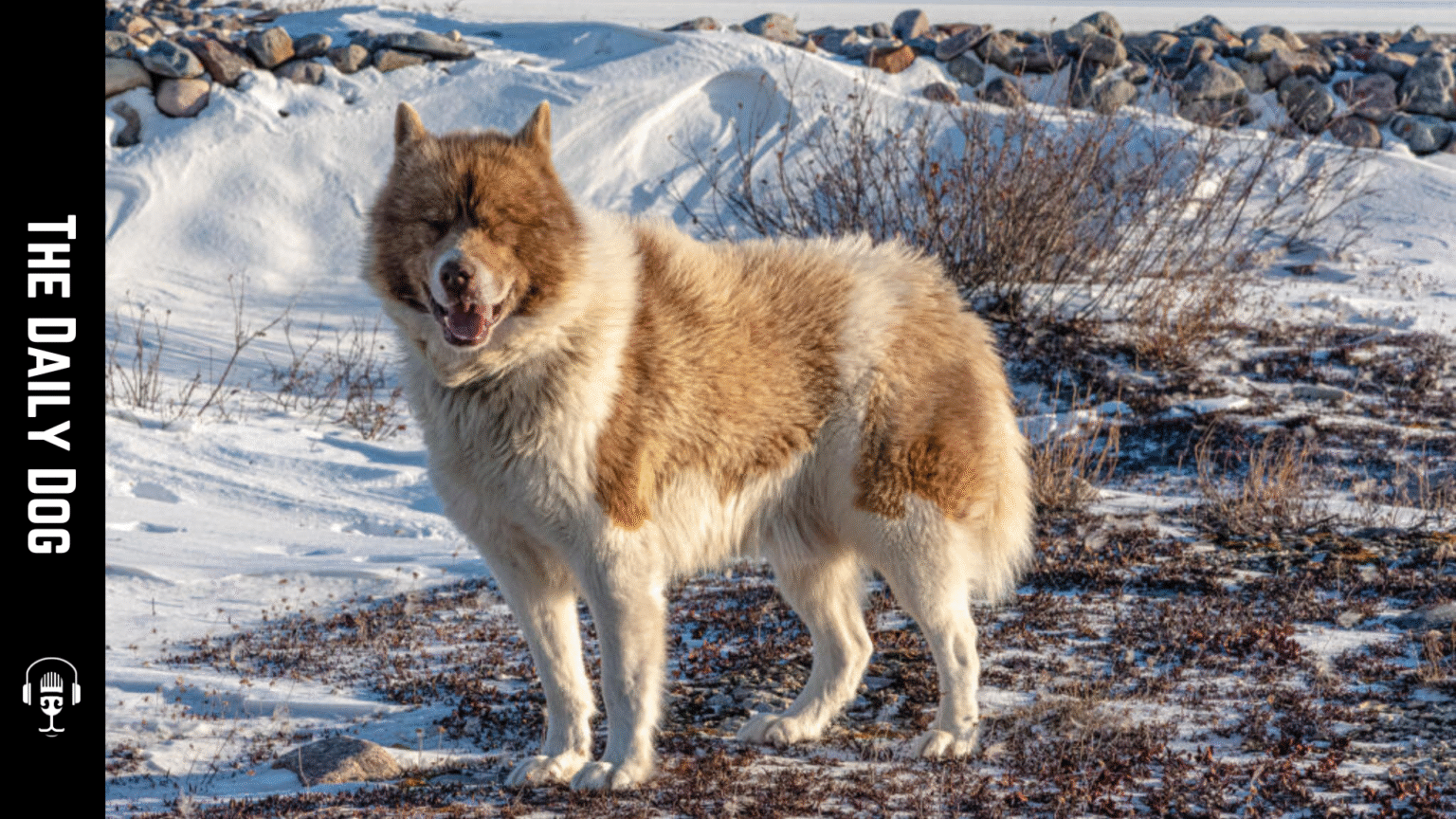
Eskimo sled dogs, a diverse group encompassing breeds like the Alaskan Malamute, Siberian Husky, Canadian Eskimo Dog, Greenland Dog, and Samoyed, are magnificent animals renowned for their strength, endurance, and striking beauty. Bred for centuries to thrive in harsh Arctic conditions and perform demanding tasks, these dogs possess unique physical and behavioral traits that require specialized care. Understanding their needs is paramount to providing a happy, healthy, and fulfilling life for these incredible companions.
Their lineage as working dogs means they are not simply pets; they are athletes with deep-seated instincts. This comprehensive guide will delve into every facet of Eskimo sled dog care, offering professional insights to help you navigate the joys and responsibilities of owning one of these extraordinary breeds.
Understanding the Eskimo Sled Dog: A Breed Overview
Before diving into specific care routines, it’s crucial to appreciate the heritage of Eskimo sled dogs. These breeds were developed by indigenous peoples of the Arctic regions for pulling sleds, hunting, and companionship. Their survival depended on their resilience, intelligence, and ability to work cooperatively in challenging environments. This history has shaped their physical characteristics, such as their dense double coats, powerful builds, and incredible stamina, as well as their independent yet loyal temperaments.
While each breed has its nuances, common threads include a high energy level, a strong prey drive, and a tendency to be vocal. Recognizing these inherent traits is the first step toward successful ownership and training.
Nutrition for the Active Sled Dog: Fueling Performance and Health
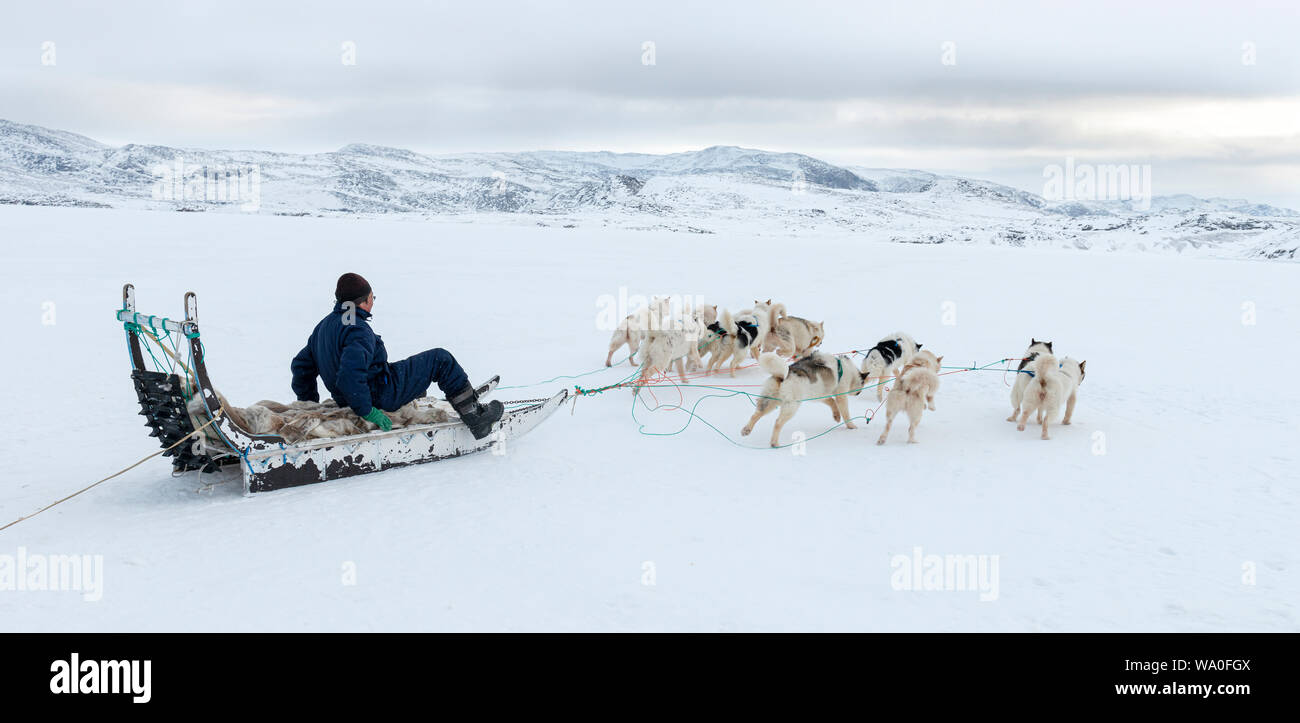
Proper nutrition is the cornerstone of an Eskimo sled dog’s health, especially given their high energy output. A diet formulated for active, large-breed dogs is essential. Look for high-quality commercial dog foods with a robust protein content, ideally from animal sources like chicken, beef, or fish, as the primary ingredients. Protein supports muscle maintenance and repair, crucial for working dogs.
Healthy fats are equally important, providing concentrated energy. Omega-3 and Omega-6 fatty acids, often found in fish oil, contribute to coat health, joint function, and cognitive well-being. The exact fat percentage will vary depending on the dog’s activity level; highly active sled dogs may require a diet with 20-30% fat, while less active companions might thrive on 15-20%.
Hydration is Non-Negotiable: Always ensure access to fresh, clean water. For dogs involved in strenuous activity, consider adding electrolyte supplements to their water, especially in warmer conditions or during long training sessions, to prevent dehydration.
Supplements and Special Considerations: While a balanced diet should provide most nutrients, some owners consult their veterinarians about supplements for joint health (glucosamine, chondroitin) or coat conditioning. Avoid over-supplementation, as it can lead to imbalances. For dogs engaged in competitive sledding, dietary needs may shift dramatically with training intensity and environmental factors.
Exercise Requirements and Mental Stimulation: A Daily Imperative
- Running or Jogging: Many sled dogs make excellent running partners.
- Hiking: Exploring trails offers both physical and mental stimulation.
- Biking: Can be an excellent way to cover long distances with your dog safely leashed alongside.
- Dog Sledding or Canicross: Engaging in their natural pulling instincts is incredibly fulfilling for them.
- Secure Off-Leash Play: In a safely fenced area, allowing them to sprint and explore.
Mental Stimulation is Key: Beyond physical exertion, these intelligent dogs require mental challenges. Puzzle toys, obedience training, scent work, and agility courses can help satisfy their inquisitive minds and prevent boredom. Regular training sessions, even short ones, reinforce good behavior and strengthen your bond.
Grooming and Coat Care: Maintaining Their Arctic Armor
The dense double coat of an Eskimo sled dog is a marvel of natural engineering, providing insulation against extreme cold and protection from the elements. However, it requires consistent grooming.
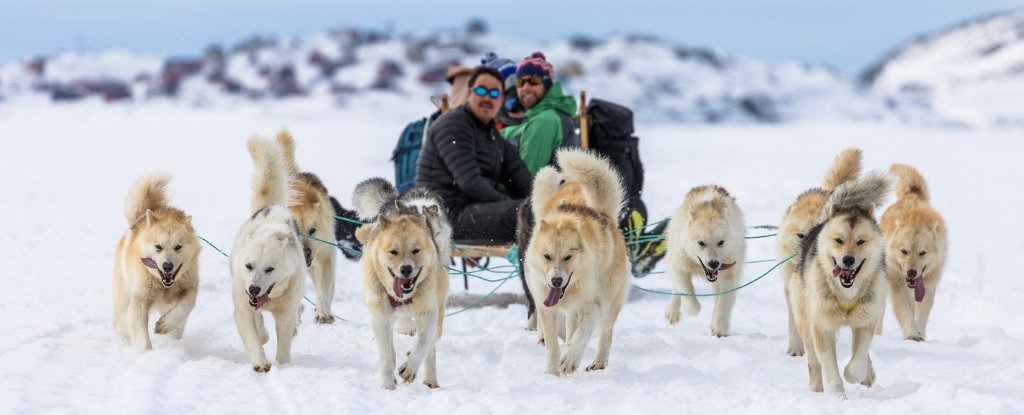
Shedding Cycles: These dogs ‘blow’ their coats at least twice a year, typically in spring and fall, resulting in significant shedding. During these periods, daily brushing with a slicker brush and an undercoat rake is essential to remove loose hair and prevent matting. Outside of shedding season, brushing 2-3 times a week is usually sufficient.
Bathing: Due to their self-cleaning coats, frequent bathing is not necessary and can strip natural oils. Bathe only when genuinely dirty, using a shampoo formulated for dogs. Always ensure the coat is thoroughly dry to prevent skin issues.
Nail Trims, Ear Cleaning, and Dental Hygiene: Regular nail trims are crucial to prevent discomfort and potential lameness. Check and clean ears weekly to prevent infections. Daily or weekly tooth brushing, along with dental chews and professional cleanings as recommended by your vet, are vital for oral health.
Health Considerations Specific to Sled Dogs: Proactive Care
While generally robust, Eskimo sled dogs are prone to certain health conditions common in large and northern breeds. Regular veterinary check-ups are fundamental.
Common Health Issues: Be aware of conditions such as hip and elbow dysplasia, progressive retinal atrophy (PRA), cataracts, hypothyroidism, and bloat (gastric dilatation-volvulus). Responsible breeders screen for many of these genetic conditions. Discuss potential risks and preventative measures with your veterinarian.
Cold Weather Adaptations and Risks: Their thick coats make them well-suited for cold, but they are not immune to frostbite on paws, ears, or tail in extreme conditions. Conversely, they are highly susceptible to overheating in warmer climates. Provide ample shade, fresh water, and avoid strenuous activity during hot weather. Never leave them unattended in a car.
Joint Health: Given their active lifestyles, maintaining joint health is critical. A balanced diet, appropriate exercise, and maintaining a healthy weight can help prevent excessive strain on their joints as they age.
Training and Socialization: Building a Well-Adjusted Companion
Early and consistent training and socialization are vital for Eskimo sled dogs. Their intelligence, combined with an independent streak, means they require a firm but fair approach.
Socialization: Expose puppies to a wide variety of sights, sounds, people, and other well-behaved dogs from a young age. This helps them develop into confident, well-adjusted adults.
Positive Reinforcement: These dogs respond best to positive reinforcement methods. Use treats, praise, and play to reward desired behaviors. Harsh punishment can damage trust and lead to fear or aggression.
Obedience Training: Focus on core commands like ‘sit,’ ‘stay,’ ‘come,’ and ‘leave it.’ A strong recall is paramount due to their strong prey drive and tendency to wander. Leash training is also crucial; they are powerful pullers, so a no-pull harness can be very beneficial.
Pack Dynamics: Many sled dog breeds thrive in multi-dog households. However, proper introductions and management are necessary to ensure harmonious living. Establish yourself as the consistent and benevolent leader.
Living Environment: Space, Security, and Comfort
Eskimo sled dogs are generally not ideal for apartment living, especially without significant daily outdoor activity. They thrive in homes with secure, spacious yards.
Secure Fencing: These dogs are notorious escape artists. A fence must be at least 6 feet high and ideally extend underground to prevent digging out. Never underestimate their ability to climb or jump.
Shelter from Elements: While they tolerate cold, they still need access to appropriate shelter from wind, rain, and snow. In warmer climates, a cool, shaded area or air-conditioned indoor access is essential.
Temperature Management: Understand their limits. In hot weather, avoid exercise during the hottest parts of the day and provide cooling mats or pools. In extreme cold, ensure adequate bedding and consider booties for paw protection.
Understanding Their Instincts: Managing Natural Behaviors
Their ancestral traits manifest in several common behaviors that owners must understand and manage.
Prey Drive: Sled dogs often have a high prey drive, meaning small animals (squirrels, cats) can trigger their hunting instinct. Keep them leashed in unfenced areas and supervise interactions with smaller pets.
Wandering Tendencies: Their urge to explore vast territories is strong. A secure yard and reliable recall are your best defenses against them running off. Microchipping and ID tags are non-negotiable.
Vocalization: Many northern breeds are known for their unique vocalizations – howling, ‘talking,’ and less frequent barking. This is a natural form of communication and part of their charm, but can be managed with training if excessive.
Conclusion: A Rewarding Partnership
Owning an Eskimo sled dog is a significant commitment, but one that offers immense rewards. These intelligent, loyal, and spirited companions bring joy and adventure to the lives of those prepared to meet their specialized needs. By prioritizing their nutrition, exercise, health, training, and providing a suitable environment, you can foster a deep bond and ensure your magnificent sled dog lives a long, healthy, and happy life. Their enduring spirit and unwavering companionship are truly unparalleled.
Remember, responsible ownership means continuous learning and adapting to your dog’s individual needs throughout their life. Embrace the journey with these extraordinary animals, and you will discover a partnership unlike any other.


