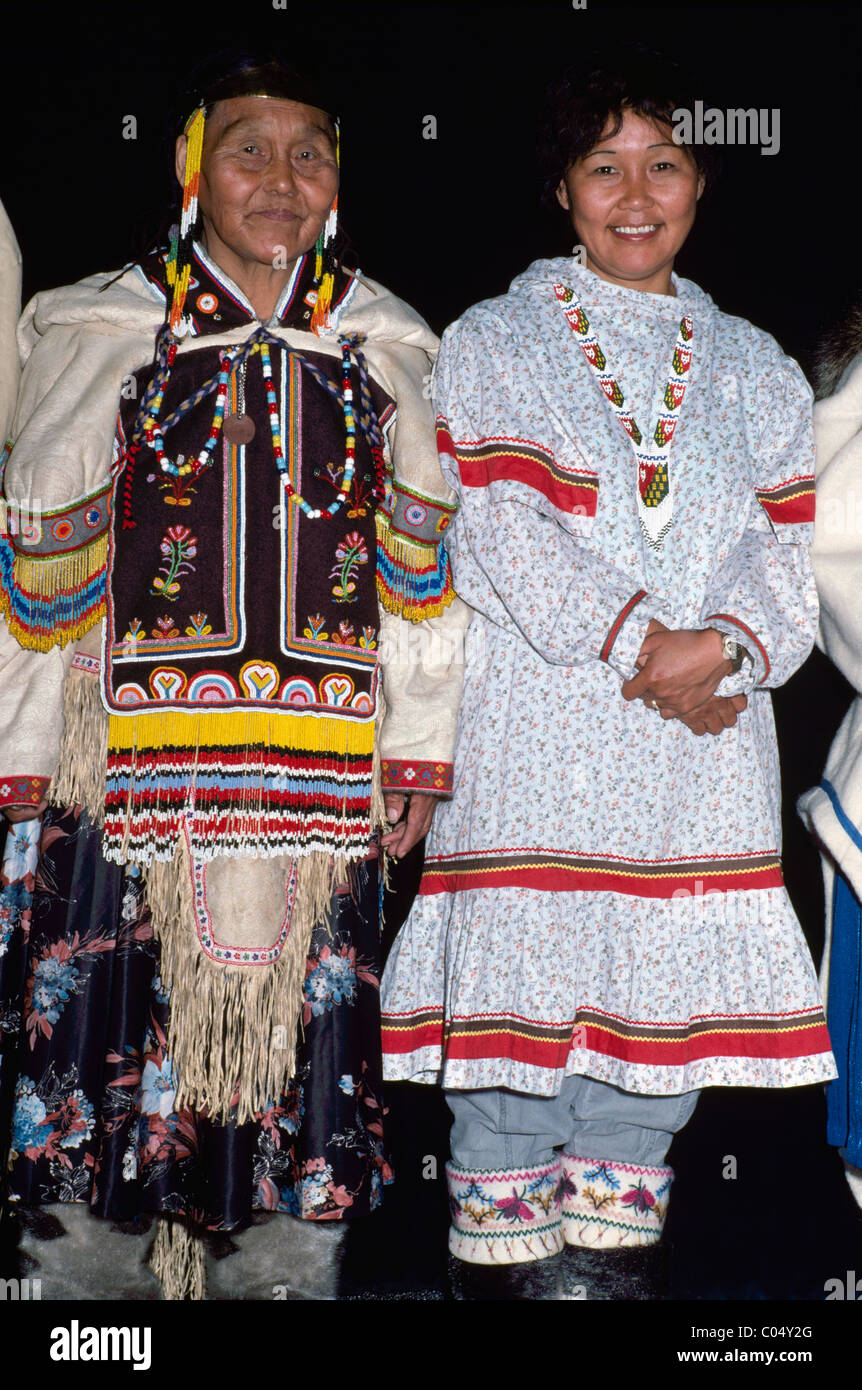
The Arctic, a land of breathtaking beauty and formidable challenges, has shaped the lives and cultures of its Indigenous peoples for millennia. Central to their survival and identity is their traditional clothing, a testament to ingenious design, deep environmental knowledge, and artistic expression. For women in these communities, their dress is not merely protection against the elements; it is a vibrant narrative woven from generations of wisdom.
This comprehensive article will explore the fascinating world of traditional Arctic Indigenous women’s dress, delving into its historical context, key garments, materials, construction techniques, and profound cultural significance. We will also touch upon regional variations and modern adaptations, highlighting the enduring legacy of these remarkable traditions.
A Legacy of Survival: The Historical Imperative of Arctic Clothing
Life in the Arctic demands extraordinary resilience. With temperatures plunging far below freezing and persistent winds, clothing has always been the primary barrier between life and death. Traditional Arctic dress evolved over thousands of years, perfected through trial and error to provide unparalleled insulation, mobility, and protection against the harshest climates on Earth.
For women, their attire was especially critical, not only for their own well-being but also for the survival of their families. They were often the primary creators of these garments, transforming raw animal hides and furs into masterpieces of functional art. This specialized knowledge, passed down through matriarchal lines, was a cornerstone of community survival.
Key Garments of Traditional Indigenous Women’s Dress
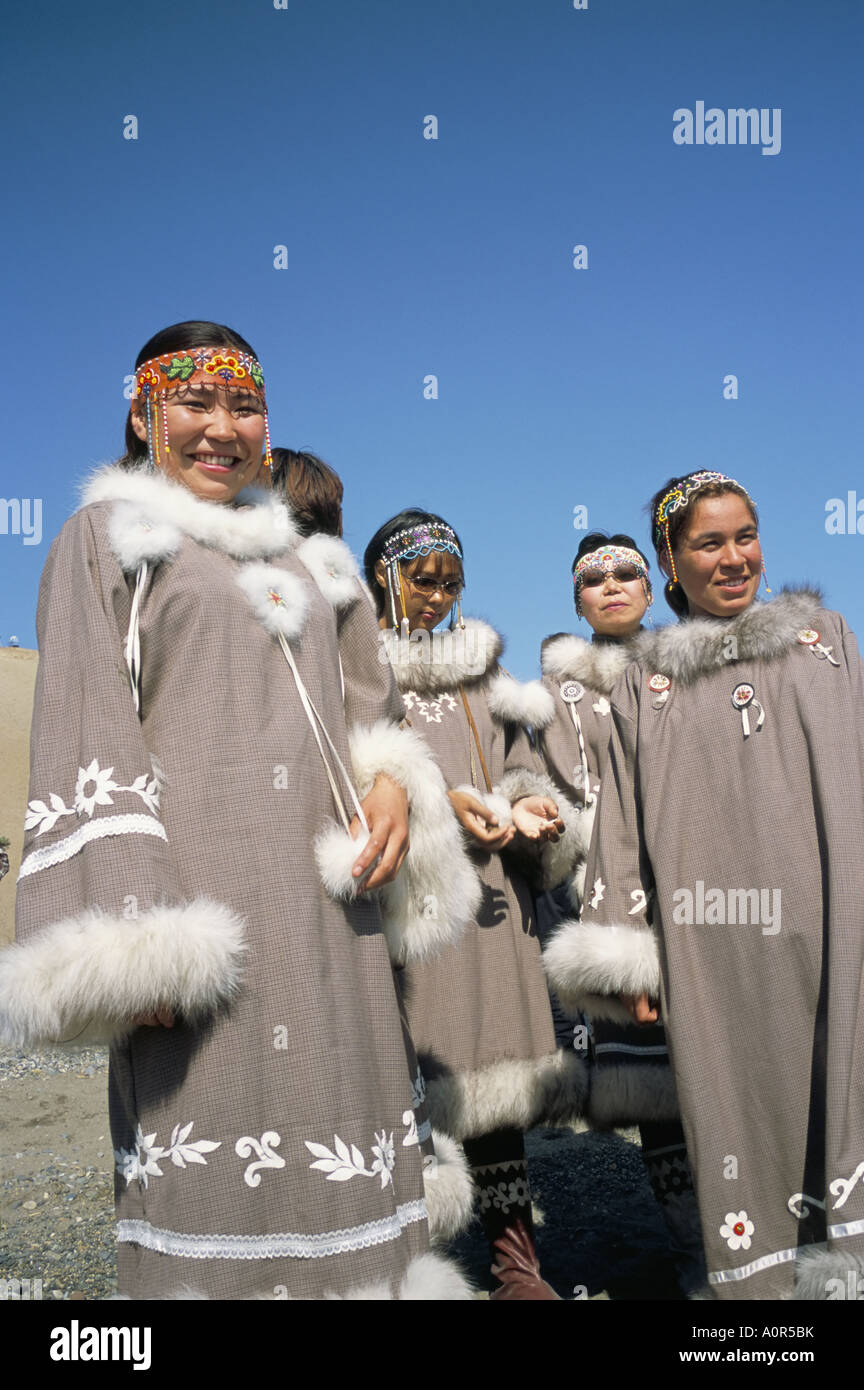
While specific names and styles vary across different groups like the Inuit, Iñupiat, and Yup’ik, several core garments form the foundation of traditional Arctic women’s attire.
The Amauti (Amautik): A Symbol of Motherhood and Warmth
Perhaps the most iconic piece of traditional Inuit women’s clothing is the Amauti. This remarkable parka is designed with a large pouch, or ‘amaut,’ on the back, allowing a mother to carry her infant snugly and warmly against her body, even in extreme cold.
The Amauti serves multiple crucial functions: it keeps the baby warm through shared body heat, protects the infant from wind and cold, and allows the mother to work with her hands while keeping her child close. The design often features a large hood, sometimes with a wide ruff of wolf or wolverine fur, offering superior facial protection.
Beyond its practical utility, the Amauti is a powerful cultural symbol of motherhood, nurturing, and the continuity of life within Arctic communities. Each garment is a unique creation, often adorned with intricate beadwork or decorative trim.
The Atigi (Parka): Essential Outerwear
The general term for a parka-like outer garment is Atigi (among Inuit) or similar terms across other groups. These parkas are meticulously crafted, often using multiple layers of caribou or seal skin. An inner layer, with the fur facing inward, provides insulation, while an outer layer, with the fur facing outward, offers protection against wind and snow.
The design of the Atigi is tailored to the wearer’s gender and age, with women’s parkas often featuring distinct styles, such as a longer hemline or specific hood shapes. The choice of fur for the ruff—often wolverine or wolf—is strategic, as these furs are excellent at shedding frost and preventing ice buildup.
Qarlik (Pants): Durable Leg Protection
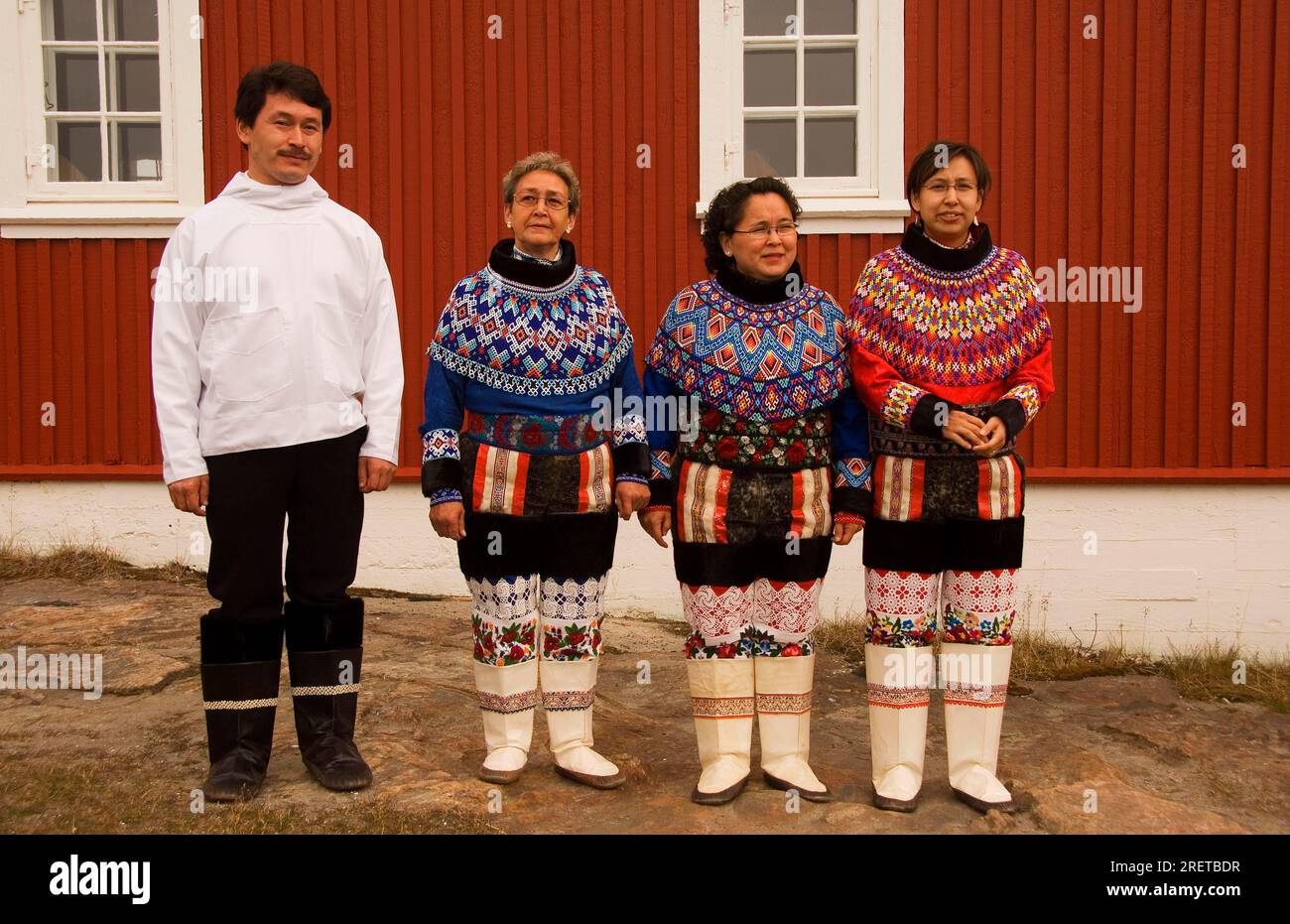
Women’s traditional pants, known as Qarlik or similar names, are essential for full body protection. Made from caribou hide, polar bear fur, or seal skin, these pants are designed for warmth and durability. They are often high-waisted and fitted to prevent cold air from entering, working in conjunction with the parka.
Kamik (Mukluks): Footwear for the Frozen World
Footwear is paramount in the Arctic, and traditional boots, known as Kamik (Inuit) or Mukluk (a term of Evenki origin, widely used in North America), are masterpieces of functional design. Women’s Kamik are typically knee-high or higher, providing extensive leg protection.
They are constructed from durable, waterproof materials like seal skin for the sole and lower portions, and caribou or other animal hides for the uppers. The soles are often crimped or gathered, not sewn through, to prevent water from entering, a crucial aspect of their waterproofing.
Inside, the Kamik are lined with fur (often caribou) for insulation, and worn with multiple layers of socks, sometimes made from grass or fur, to wick away moisture and add warmth. The craftsmanship of Kamik is highly valued, with skilled artisans creating incredibly effective and beautiful boots.
Pualuk (Mittens): Protecting the Hands
Mittens, or Pualuk, are another critical component of Arctic dress. Made from caribou hide, polar bear fur, or other durable and insulating materials, they are designed to keep hands warm in extreme cold. Often, they are large enough to allow for multiple layers of inner gloves or liners.
Materials and Ingenious Construction Techniques
The effectiveness of traditional Arctic clothing lies not only in its design but also in the ingenious selection and preparation of materials.
Harnessing Nature’s Best: Animal Hides and Furs
- Caribou (Reindeer): Excellent insulator due to hollow hairs, widely used for parkas and pants.
- Seal Skin: Highly water-resistant, ideal for boots and outer layers.
- Polar Bear: Extremely warm and durable, often used for specialized garments or trim.
- Wolf and Wolverine: Prized for hood ruffs because their fur sheds frost exceptionally well.
- Fox, Hare, and other small animals: Used for linings, trim, and smaller garments.
The Art of Preparation: Tanning and Softening
Preparing hides is a labor-intensive and highly skilled process. Traditionally, hides were scraped, stretched, and often chewed by women to soften them and make them pliable for sewing. This process, often involving brain-tanning or smoke-tanning, ensures the material’s longevity and performance.
Masterful Stitching: Sinew and Bone Needles
Sewing techniques are equally remarkable. Women traditionally used needles made from bone or ivory and thread made from animal sinew (siniq). The stitching is incredibly fine and precise, especially for waterproof garments like Kamik, where seams are often sewn in a way that prevents water penetration.
Cultural Significance and Artistic Expression
Traditional Arctic women’s dress transcends mere functionality; it is a profound expression of culture, identity, and artistic skill. Each garment tells a story—of the land, the animals, and the hands that created it.
The creation of clothing is a deeply communal and educational process. Young girls learn from their mothers and grandmothers, perpetuating ancient knowledge and skills. This passing down of tradition ensures the continuity of cultural practices and the preservation of identity.
Adornments like intricate beadwork, decorative fur trims, and distinctive patterns often signify tribal affiliation, personal status, or even spiritual beliefs. The beauty of these garments is a testament to the aesthetic sensibilities of Arctic Indigenous peoples.
Regional Variations Across the Arctic
While the core principles of Arctic clothing remain consistent, there are fascinating regional variations. For example, Inuit groups in Canada and Greenland might have slightly different parka styles than the Iñupiat of Alaska or the Yup’ik of Southwestern Alaska and Siberia.
These differences can manifest in hood shapes, trim styles, garment lengths, and specific names for items, reflecting local resources, climate nuances, and distinct cultural aesthetics. Understanding these variations enriches our appreciation for the diversity within Arctic Indigenous cultures.
Modern Adaptations and Preservation Efforts
Today, traditional Arctic dress continues to be worn, particularly in remote communities and for special occasions, ceremonies, and cultural events. However, modern materials like Gore-Tex and synthetic insulation have also found their way into daily wear, often combined with traditional elements.
Answering Common Questions About Traditional Arctic Dress
What is traditional Indigenous Arctic clothing made of?
Traditional Indigenous Arctic clothing is primarily made from the hides and furs of animals native to the Arctic, such as caribou, seal, polar bear, wolf, and wolverine. Sinew from animals is used for thread, and bones or ivory for needles.
What is an Indigenous Arctic jacket called?
The general term for a parka-like outer garment is Atigi among many Inuit groups. For women, a distinctive parka designed to carry an infant is called an Amauti or Amautik.
What is the name of the traditional Indigenous Arctic boots?
Traditional boots are known as Kamik among Inuit people and are also widely referred to as Mukluks. These boots are expertly crafted for warmth and waterproofing.
Why is traditional Indigenous Arctic clothing so effective?
Its effectiveness stems from a combination of factors: superior insulating materials (like hollow caribou hair), strategic layering, ingenious designs (like the Amauti or the crimped Kamik sole), and meticulous, often waterproof, construction techniques developed over millennia.
Is "Eskimo" an offensive term?
The term "Eskimo" is considered by many to be outdated and, in some contexts, offensive. It was historically used by outsiders and is believed by some to mean "eaters of raw meat." Preferred terms are the specific names of the Indigenous groups themselves, such as Inuit (used primarily in Canada and Greenland), Iñupiat (Northern Alaska), and Yup’ik (Southwestern Alaska and Siberia). Using these specific terms respects the identity and self-determination of these peoples.
Conclusion: A Testament to Human Ingenuity and Cultural Richness
Traditional Indigenous women’s dress of the Arctic is far more than mere clothing; it is a profound cultural artifact, a testament to human ingenuity, resilience, and an intimate connection with the natural world. From the life-sustaining Amauti to the meticulously crafted Kamik, each garment embodies centuries of accumulated wisdom and artistic skill.
As we appreciate the intricate designs and functional brilliance of these garments, we also honor the enduring spirit and rich cultural heritage of the Indigenous women who have crafted and worn them for generations. Their traditions continue to inspire awe and respect, reminding us of the power of human adaptation and the beauty of cultural preservation.


