
The Arctic regions, with their unforgiving cold and breathtaking landscapes, have long been home to the Inuit people, whose ingenuity and resilience are profoundly reflected in their traditional clothing. Far more than mere garments, Inuit clothing is a testament to survival, cultural identity, and artistic expression, meticulously designed to withstand extreme temperatures while allowing for essential mobility.
For those passionate about historical textiles, cultural preservation, or simply seeking unique and highly functional cold-weather gear, delving into Inuit clothing patterns and sewing offers a deeply rewarding journey. This guide will explore the intricacies of these remarkable garments, providing insights into their construction, materials, and the cultural context that makes them so significant.
A Legacy of Arctic Ingenuity: The History of Inuit Clothing
For thousands of years, Inuit ancestors developed sophisticated clothing systems perfectly adapted to their environment. Every stitch, every seam, and every material choice was a matter of survival. Their clothing evolved through generations of trial and error, resulting in designs that were not only effective but also aesthetically rich, often adorned with intricate patterns and trims.
Traditional Inuit garments were typically crafted from the skins of animals hunted for food, such as caribou, seal, polar bear, and various birds. These materials provided unparalleled insulation, wind protection, and durability, essential for life in the Arctic. The tanning and preparation of these skins were complex processes, passed down through oral tradition and practical demonstration.
Key Features of Traditional Inuit Garments

- Layering: A fundamental concept, often involving an inner layer with fur facing inwards for warmth and an outer layer with fur facing outwards for wind and snow protection.
- Air Trapping: Loose-fitting designs created air pockets, which are excellent insulators.
- Hoods and Cuffs: Carefully designed hoods to protect the face and snug cuffs to prevent heat loss.
- Specialized Construction: Flat seams, reinforced stress points, and strategic paneling for maximum durability and water resistance, especially crucial for footwear.
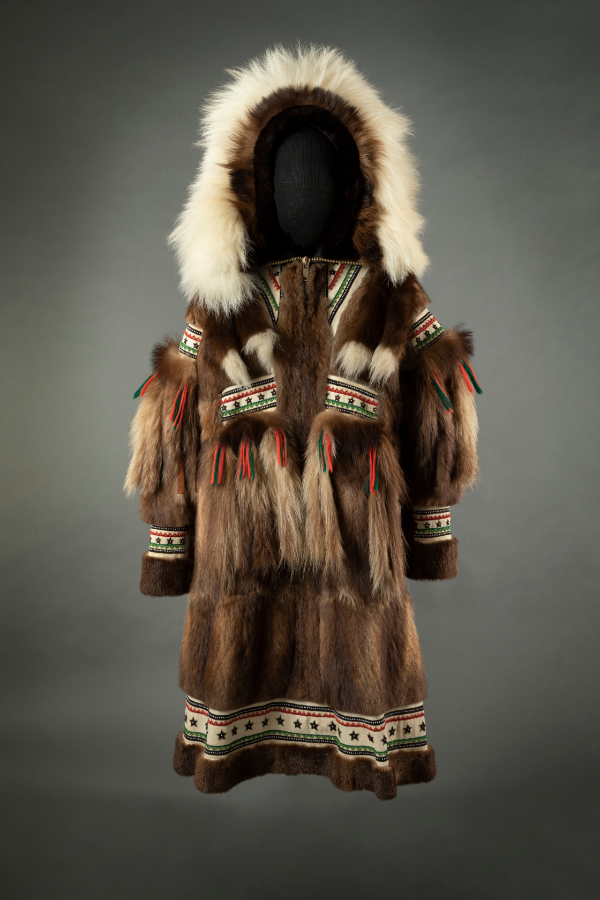
The artistry involved in these garments is equally striking. Decorative elements, often made from different colored furs, leather appliqués, or beadwork, were not merely ornamental but often carried symbolic meaning, reflecting family lineage, spiritual beliefs, or regional identity.
Why Embrace Inuit Clothing Patterns for Sewing Today?
- Cultural Preservation: It’s a tangible way to connect with and honor Indigenous cultures, keeping traditional skills and designs alive.
- Unmatched Warmth and Functionality: The design principles remain highly relevant for extreme cold, offering superior protection compared to many modern synthetic alternatives.
- Unique Style: These garments possess a distinct aesthetic that stands out in contemporary fashion, blending heritage with modern sensibilities.
- Personal Connection: The act of creating such a significant garment fosters a deep connection to the craft and the cultural narrative behind it.
Understanding Iconic Inuit Garments and Their Construction
- The Amauti: Perhaps the most iconic, the amauti is a woman’s parka featuring a large pouch (amaut) on the back for carrying a baby. This design allows the mother to keep her child warm against her body, protected from the elements, while maintaining mobility. The construction of the amauti is incredibly intricate, with specific shaping for the hood, shoulders, and baby pouch.
- The Atigi (Parka): Both men and women wear various styles of parkas, known as atigi. These are typically double-layered for maximum insulation, often featuring a decorative hemline and unique hood designs that vary by region and community.
- Kamiks (Boots): Kamiks are traditional Inuit boots, usually made from seal skin or caribou hide, with soles often made from tougher seal skin. They are designed for warmth, traction, and often waterproofness, achieved through specific seam treatments.
- Pants and Mittens: Complementary garments include warm trousers, often made from caribou hide, and mittens, frequently featuring elaborate cuffs and inner linings for superior warmth.
Sourcing Authentic Inuit Clothing Patterns and Resources
Finding reliable patterns for traditional Inuit garments requires careful research and respect for cultural heritage. While commercial patterns for ‘parkas’ exist, they rarely capture the authentic details and construction of true Inuit designs.
- Museum Archives and Collections: Many museums with ethnographic collections house examples of traditional Inuit clothing. Some may offer patterns or detailed measurements for study.
- Cultural Institutions and Indigenous Organizations: Organizations dedicated to Inuit culture and arts are invaluable resources. They may offer workshops, publications, or connections to experienced seamstresses.
- Academic and Historical Texts: Anthropological studies and historical accounts often contain detailed descriptions and sometimes even diagrams of traditional garments.
- Indigenous Designers and Artisans: Supporting contemporary Inuit designers who draw inspiration from traditional patterns is an excellent way to acquire ethically produced goods or learn about their craft. Some may offer workshops or patterns.
- Online Communities: Forums and social media groups dedicated to historical sewing or Indigenous crafts can be good places to share information, but always verify authenticity and respect intellectual property.
Materials and Tools for Your Inuit Sewing Project
While traditional materials like caribou and seal skin offer unparalleled authenticity, modern alternatives can be used, especially for beginners or those seeking ethically sourced options. The key is to select materials that mimic the warmth, durability, and texture of traditional hides.
- Outer Layer Fabrics: Heavy wool, canvas, durable technical fabrics (like Gore-Tex for water resistance), or high-quality faux fur can substitute animal hides. Consider fabrics known for wind resistance and breathability.
- Inner Layer Fabrics: Soft, warm fabrics like fleece, shearling, or even a second layer of faux fur (with the pile facing inward) are excellent for insulation.
- Lining: A lightweight, breathable lining fabric can be used for comfort and to finish raw seams.
- Thread: Strong, waxed thread (like upholstery thread or specialized leather thread) is essential for durability. Sinew was traditionally used and can be replicated with strong synthetic alternatives.
- Needles: Heavy-duty sewing machine needles (leather point or denim needles) are crucial for thick fabrics. For hand sewing, glover’s needles are ideal for piercing tough materials without tearing.
- Sewing Machine: A heavy-duty domestic machine can handle many tasks, but an industrial walking-foot machine is often preferred for very thick materials and fur. Hand sewing remains a vital skill for intricate details and finishing.
- Other Tools: Sharp fabric shears, rotary cutter, thimble, measuring tape, tailor’s chalk, and strong clips instead of pins (to avoid perforating materials) will be invaluable.
Essential Sewing Techniques for Inuit Garments
Crafting these garments requires attention to detail and specific techniques to ensure durability and warmth.
Pattern Adaptation and Sizing: Traditional patterns are often less standardized than modern commercial patterns. You may need to adapt a basic block pattern or draft your own based on historical descriptions and measurements. Always create a muslin or scrap fabric toile (mock-up) to test fit and construction before cutting your final, often expensive, materials.
Seam Construction: Flat-felled seams are excellent for durability and reducing bulk. For waterproof elements like kamiks, traditional Inuit seamstresses used a double-stitched, rolled seam that was then sealed with rendered fat. For fabric versions, strong, reinforced seams are key.
Working with Fur and Faux Fur: When using fur (real or faux), cut from the leather side to avoid cutting the pile. Use a sharp utility knife or razor blade for real fur. Keep the nap direction consistent. For attaching fur trim, hand-stitching with a strong thread often yields the best results, allowing the fur to lie naturally.
Hood and Collar Design: The hood is critical for warmth. Traditional Inuit hoods are often large and designed to frame the face closely, sometimes with a ruff of wolverine or wolf fur to create a microclimate around the face, protecting from wind and frostbite.
The Amauti Pouch: The construction of the amaut (baby pouch) requires careful shaping and reinforcement to safely and comfortably hold a child. This is a complex element that demands precision in patterning and sewing.
Kamik Construction: Making traditional kamiks is a specialized skill. It involves shaping the various pieces of hide, often soaking them to make them pliable, and then carefully stitching them together with waterproof seams. Modern fabric versions can emulate the shape but will require different waterproofing methods.
Cultural Sensitivity and Ethical Practice
- Acknowledging Origin: Always acknowledge the Inuit people as the originators of these designs and techniques.
- Avoiding Appropriation: Understand the difference between appreciation and appropriation. If you intend to sell items, consider collaborating with or sourcing designs directly from Inuit artisans.
- Supporting Indigenous Communities: Whenever possible, purchase materials, patterns, or finished products from Inuit creators and businesses.
- Learning with Respect: Approach the learning process with humility and a genuine desire to understand the cultural context, not just the technical skills.
Modern Interpretations and Adaptations
- Using traditional patterns with modern, high-performance fabrics.
- Adapting specific elements, like the amauti’s baby pouch, into contemporary carrying solutions.
- Incorporating decorative motifs or fur trim inspired by Inuit artistry into other garments.
- Creating ‘urban’ versions of parkas and boots that retain the warmth and style but are suited for city life.
Regardless of the approach, the core principles of warmth, durability, and cultural respect should remain central to any project involving Inuit clothing patterns.
Common Questions About Inuit Clothing and Sewing
What materials are traditionally used in Inuit clothing? Traditionally, Inuit clothing was made from the hides and furs of Arctic animals such as caribou, seal, polar bear, and various birds. These materials were chosen for their exceptional insulating properties, durability, and availability.
How do Inuit keep warm in their clothing? Inuit clothing relies on a sophisticated system of layering, loose-fitting designs to trap air, and expertly crafted closures (hoods, cuffs) to prevent heat loss. The natural properties of animal furs and skins provide excellent insulation against extreme cold and wind.
Are there patterns available for traditional Inuit parkas? While commercial patterns for generic parkas exist, authentic traditional Inuit parka patterns can be harder to find. Resources often include museum archives, cultural institutions, academic texts, and direct engagement with Inuit artisans or workshops. It often requires some adaptation and understanding of traditional construction methods.
What is an amauti and how is it made? An amauti is a traditional Inuit woman’s parka designed with a large pouch on the back for carrying a baby. It is made from animal hides, often caribou, and features specific shaping to accommodate the child safely and warmly against the mother’s back. Its construction is complex, involving precise cutting and stitching to create the distinctive pouch and hood.
Where can I learn traditional Inuit sewing? The best places to learn traditional Inuit sewing are often through workshops offered by Inuit cultural centers, Indigenous organizations, or directly from experienced Inuit elders and seamstresses in communities. Some museums or universities with strong Indigenous studies programs may also offer relevant courses or resources.
Conclusion: Embracing a Rich Heritage Through Craft
Sewing Inuit clothing patterns is more than just a craft; it’s an immersive experience that connects you to a rich cultural heritage and a testament to human ingenuity in extreme environments. From the practical brilliance of the amauti to the exquisite warmth of kamiks, each garment tells a story of survival, adaptation, and artistry.
By undertaking such a project, you not only gain a unique, functional piece of clothing but also contribute to the appreciation and preservation of invaluable Indigenous knowledge and traditions. Approach your sewing journey with curiosity, respect, and a commitment to understanding the profound legacy behind every stitch.
Whether you’re recreating a historical piece or adapting traditional elements for modern use, the spirit of Inuit craftsmanship offers endless inspiration for warmth, durability, and beauty.


.jpeg?w=200&resize=200,135&ssl=1 "Jobs Available On Indian Reservations")
