
The Arctic is one of the most unforgiving environments on Earth, characterized by bone-chilling temperatures, relentless winds, and prolonged periods of darkness. Yet, for thousands of years, the Inuit people have not only survived but thrived in this extreme landscape, largely thanks to their unparalleled knowledge of insulation and survival, epitomized by their traditional clothing.
Far more than mere garments, Inuit clothing represents a sophisticated system of engineering, material science, and cultural wisdom passed down through generations. It is a perfect example of human ingenuity adapting to the most demanding conditions imaginable, providing warmth, protection, and flexibility in a world where a lapse in judgment can be fatal.
This comprehensive guide delves into the remarkable world of traditional Inuit clothing, exploring the materials, design principles, and cultural significance that make it the gold standard for extreme cold weather gear. We’ll uncover how these ancient designs continue to inspire modern outdoor apparel.
The Ingenious Layering System: A Blueprint for Warmth
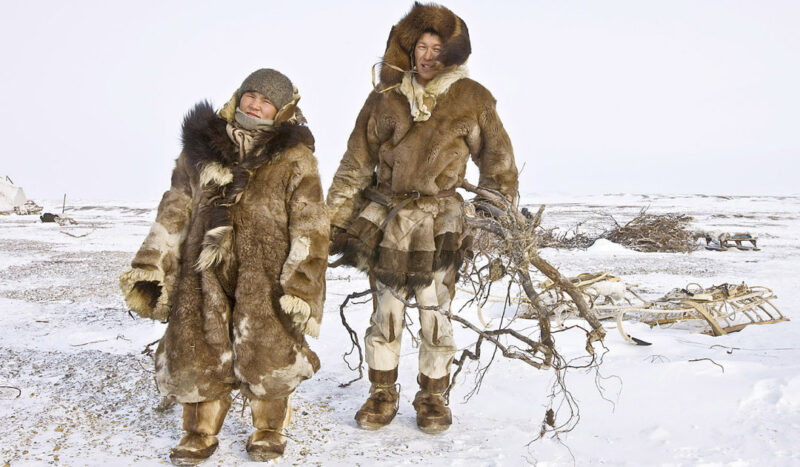
At the heart of Inuit cold-weather protection is a highly effective layering system. Unlike modern synthetic materials, traditional Inuit clothing relies on natural furs and skins, meticulously crafted into multiple layers that trap air, wick moisture, and provide unparalleled insulation.
This system is designed not just to keep the wearer warm, but also to manage body temperature actively. The ability to ventilate quickly and prevent overheating is crucial, as sweat can rapidly turn into ice, leading to hypothermia.

The typical structure involves an inner layer of fur worn with the fur facing inwards, directly against the skin, to trap body heat. An outer layer, often with fur facing outwards, provides additional insulation and protection against wind and snow.
Traditional Materials: Nature’s Best Insulators
The choice of materials is fundamental to the effectiveness of Inuit clothing. Each material is selected for its unique properties, contributing to the overall protective system.
Caribou Hide: The Arctic’s Premier Insulator. Caribou hide is perhaps the most vital material. Its hair is hollow, making it an exceptional insulator by trapping a significant amount of air. A single caribou skin can contain millions of these tiny air pockets.
Caribou is often used for both inner and outer layers of parkas and trousers. The inner layer, with fur against the skin, provides incredible warmth, while the outer layer offers robust protection against wind and snow.
Seal Skin: Durability and Water Resistance. Seal skin, particularly from ringed seals, is prized for its durability, wind resistance, and natural water-repellent qualities. It’s frequently used for boots (kamiks) and sometimes for outer parkas or trim where water exposure is high.
The natural oils in seal skin help repel water, making it ideal for footwear and garments that might come into contact with slush or damp snow. Its dense fur also provides excellent insulation.
Polar Bear Fur: Strategic Warmth and Beauty. While less common for entire garments due to the difficulty of hunting and its cultural significance, polar bear fur is sometimes used for ruffs around hoods. Its long, hollow hairs are excellent at trapping heat and protecting the face from frostbite.
Bird Skins and Gut Skin. In some regions, bird skins (like eider duck) were used for lightweight, warm inner layers. Processed gut skin from seals or whales, translucent and waterproof, was historically used for rain gear or window coverings.
Key Garments: A Symphony of Design and Function
Each piece of Inuit clothing is meticulously crafted, reflecting centuries of accumulated knowledge and practical experience.
The Amauti: The Iconic Inuit Parka. The amauti is much more than just a coat; it’s a sophisticated garment designed for both parent and child. Traditionally made from caribou hide, it features a large hood and a unique pouch (the ‘amaut’) on the back for carrying an infant.
The amauti’s loose fit creates an insulating air pocket around the wearer, allowing for excellent thermal regulation. Its design also facilitates easy ventilation by simply adjusting the hood or opening the front.
Qalleq: Protective Trousers. Inuit trousers, or ‘qalleq’, are typically made from caribou hide, designed to be loose-fitting to allow for movement and air circulation. They often extend high up the torso for maximum overlap with the parka, preventing cold air from entering.
Kamik: The Ultimate Arctic Footwear. Kamiks are perhaps the most vital component of Inuit clothing for protecting against frostbite. Traditionally made from seal skin for the outer layer and caribou hide for the inner, they are incredibly warm, waterproof, and durable.
The construction of kamiks involves meticulous stitching using sinew, often without puncturing the outer seal skin layer to maintain its waterproof integrity. Layers of dried grass or other insulating materials are frequently placed inside for additional warmth and moisture wicking.
Pualuk: Insulated Mittens. Hands are highly susceptible to cold. Inuit mittens (‘pualuk’) are typically double-layered, often with an inner fur lining (caribou or other fur) and an outer layer of seal or caribou skin. Their loose design allows for finger movement and prevents compression of insulation.
Advanced Design Principles for Arctic Survival
Beyond materials, the specific design elements of Inuit clothing contribute significantly to its effectiveness.
Loose Fit and Air Circulation. The overall loose fit of traditional garments is intentional. It creates dead air space, which is critical for insulation, and allows for sweat to evaporate and escape, preventing dangerous moisture buildup.
The Fur Ruff: A Frostbite Barrier. The fur ruff around the hood of an amauti is not merely decorative. It creates a microclimate of warmer air directly in front of the face, protecting the delicate skin of the face from biting winds and extreme cold. The varied length of the fur hairs helps trap exhaled moisture, preventing it from freezing on the face.
Ventilation Strategy. The ability to quickly vent excess heat is paramount. Inuit clothing designs allow for easy opening and closing to regulate temperature, preventing the wearer from sweating during strenuous activities like hunting or traveling.
Durability and Repairability. Garments are designed to be extremely durable and easily repairable. In a remote environment, the ability to mend a tear or replace a worn section is a matter of survival.
Modern Relevance and Indigenous Knowledge
The principles embodied in Inuit clothing continue to influence modern cold-weather gear. Contemporary outdoor apparel companies often study traditional designs to improve insulation, breathability, and fit.
The emphasis on layering, strategic use of materials, and ventilation management found in Inuit clothing is directly mirrored in high-performance synthetic outdoor wear today. It’s a testament to the enduring wisdom of indigenous knowledge.
Furthermore, the sustainable nature of traditional Inuit clothing—utilizing local resources, minimizing waste, and ensuring long product lifecycles—offers valuable lessons for sustainable fashion and responsible resource management in the modern era.
Conclusion: A Legacy of Adaptation and Ingenuity
Inuit clothing for extreme cold stands as a monumental achievement in human adaptation. From the meticulously chosen natural materials to the sophisticated layering system and ingenious design features, every aspect is optimized for survival and comfort in the world’s most challenging climate.
It is a powerful reminder of the deep connection between people and their environment, and the incredible capacity of human beings to innovate and thrive against all odds. The legacy of Inuit clothing continues to inspire, teaching us invaluable lessons about warmth, resilience, and living harmoniously with nature.
Understanding these traditional garments is not just a historical exercise; it’s an appreciation of a living culture and a masterclass in arctic survival that remains profoundly relevant today.

.jpeg?w=200&resize=200,135&ssl=1 "Jobs Available On Indian Reservations")

