The Arctic regions of the world present some of the most extreme environmental challenges on Earth. With temperatures plummeting far below freezing, relentless winds, and long periods of darkness, survival requires extraordinary ingenuity and adaptation. For thousands of years, indigenous peoples, often historically referred to as Eskimos (a term now largely replaced by specific group names like Inuit, Yup’ik, and others), have not just survived but thrived in this harsh landscape. Their methods for staying warm are a testament to human innovation and deep understanding of their environment.
Before delving into their remarkable techniques, it’s important to address the term ‘Eskimo.’ While widely used historically, it is often considered an exonym (a name given by outsiders) and can be seen as derogatory by some. The preferred terms are the specific names of the groups themselves, such as Inuit in Canada and Greenland, and Yup’ik in Alaska and Siberia. For the purpose of this article, and to address common search queries, we will use ‘Eskimo’ in some contexts while emphasizing the diversity and specific identities of these incredible peoples.
One of the most critical elements in Arctic survival was, and still is, clothing. Indigenous peoples developed sophisticated layering systems that were unparalleled in their effectiveness. Their attire wasn’t merely about covering the body; it was a meticulously engineered system designed to trap air, wick moisture, and repel external elements.
The primary materials for traditional Arctic clothing came directly from their environment: caribou, seal, polar bear, and various bird skins and furs. These animals provided not only sustenance but also the essential resources for warmth and protection against the brutal cold.
Caribou fur was particularly prized for its exceptional insulating properties. Each caribou hair is hollow, acting like a tiny air trap, making the fur incredibly effective at retaining body heat. A typical winter outfit would often consist of two layers of caribou hide, worn with the fur facing inwards on the inner layer and outwards on the outer layer.
The inner layer, known as an atigi (for parkas), would have the fur facing the skin, trapping a layer of warm air. The outer layer, or qulittaq, would have the fur facing out to shed snow and ice, and to provide additional insulation. This double-layer system created a thick barrier of trapped air, preventing heat loss from the body.

For waterproofing and wind resistance, seal skin was invaluable. Garments made from seal hide, particularly for outer layers and boots, were expertly crafted to be water-resistant, crucial for activities near water or in wet snow conditions. The natural oils in the seal skin helped repel moisture.
Footwear, known as mukluks or kamiks, was also ingeniously designed. Made from various skins like caribou or seal, often lined with fur, they were soft, flexible, and extremely warm. Soles were typically made from tough, durable skin, sometimes with an additional layer for insulation. These boots were crucial for preventing frostbite, a constant threat in the Arctic.
Gloves and mittens were equally important. Often made from caribou or polar bear fur, mittens were preferred over gloves as they allowed fingers to share warmth, reducing the surface area exposed to the cold and maintaining better circulation.
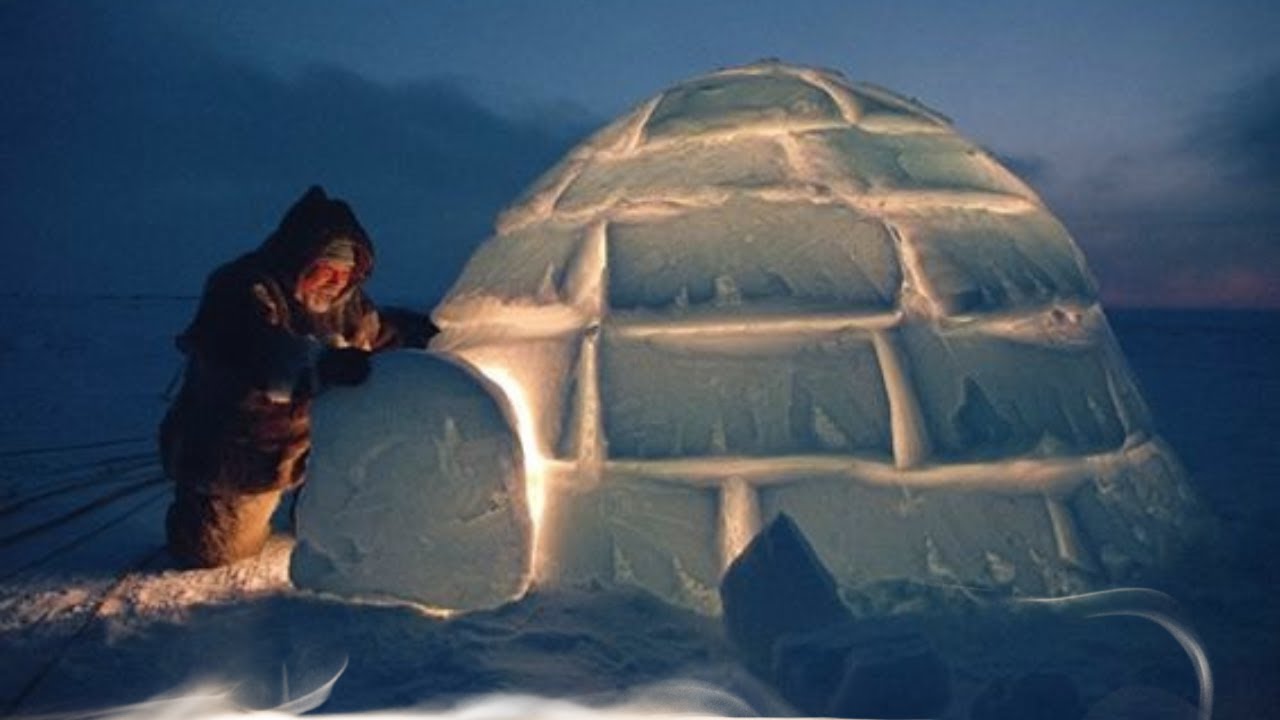
Beyond clothing, shelter played an equally vital role in staying warm. While the iconic igloo (or iglu in Inuktitut) is widely recognized, it was just one of several types of shelters used, often depending on the season and purpose.
Igloos, constructed from compacted snow blocks, are marvels of engineering. The snow itself is an excellent insulator, trapping air within its crystalline structure. The dome shape is structurally sound and allows for efficient heating. Inside an igloo, body heat, along with the warmth from a traditional qulliq (seal oil lamp), could raise the internal temperature significantly, often to above freezing, even when external temperatures were dangerously low.
The design of an igloo typically includes a lower entrance tunnel, which traps cold air, preventing it from rising into the main living space. A raised sleeping platform further separates occupants from the colder air near the floor, taking advantage of the principle that warm air rises.
For more permanent settlements, especially during the long winter months, indigenous peoples constructed sod houses or qarmaq. These were semi-subterranean dwellings built from whale bones or driftwood frames, insulated with layers of sod, earth, and snow. These structures provided exceptional insulation and protection from the elements, often housing multiple families.
During warmer months or for nomadic hunting trips, lighter, portable shelters like tupiqs (skin tents) were used. While not as insulating as igloos or sod houses, they offered protection from wind and rain and could be heated with internal fires or lamps.
Diet was another critical component of Arctic survival. The traditional diet of indigenous Arctic peoples was rich in fat and protein, derived primarily from hunted animals like seal, whale, caribou, and fish. This high-energy diet was essential for generating metabolic heat and maintaining body temperature in extreme cold.

Seal blubber and whale blubber (muktuk) were particularly important. These fats provided a dense source of calories and essential nutrients, allowing the body to produce sustained internal heat. The consumption of raw or lightly cooked meat and organs also provided vital vitamins and minerals, preventing deficiencies common in other cold-weather diets.
The constant need for hunting and processing food meant that indigenous peoples were highly active, which itself generated body heat. Their lifestyle was intrinsically linked to physical exertion, further contributing to their ability to withstand the cold.
Beyond physical adaptations, community and cultural practices played a profound role in survival. Knowledge of hunting routes, animal behavior, weather patterns, and survival techniques was passed down through generations. Sharing resources, cooperative hunting, and mutual support were not just cultural norms but necessities for collective survival.
Ingenious tools also contributed significantly. The qulliq, a traditional seal oil lamp, was a multi-purpose tool. It provided light during the long Arctic nights and, crucially, a source of heat for warming shelters and cooking. The gentle flame of a qulliq, fueled by animal blubber, could significantly raise the temperature inside an igloo or sod house, making it habitable.
Furthermore, the use of dog sleds for travel enabled efficient movement across vast, icy landscapes. The physical activity of managing the sled and dogs kept individuals warm, and the dogs themselves provided companionship and warmth during rest stops.
Did Eskimos get cold? Despite their incredible adaptations, yes, they certainly felt the cold. The goal wasn’t to eliminate the sensation of cold entirely, but to manage it, prevent hypothermia and frostbite, and maintain core body temperature. Their methods were about survival and comfort in an environment that would be fatal to the unprepared.
Many physiological adaptations have also been observed in indigenous Arctic populations, including a higher basal metabolic rate and specific blood flow patterns that help maintain warmth in extremities. However, these biological adaptations work in concert with, rather than replacing, their cultural and technological innovations.
In summary, the ability of indigenous Arctic peoples to stay warm in one of the world’s most challenging climates was not due to a single factor, but a holistic combination of brilliant strategies. These included sophisticated, multi-layered clothing systems made from local furs, expertly designed shelters like igloos and sod houses, a high-fat, high-protein diet for metabolic heat generation, and a strong community structure for knowledge sharing and mutual support.
Their timeless wisdom and practical innovations offer profound lessons in sustainable living, resourcefulness, and human resilience against extreme environmental conditions. The legacy of their survival techniques continues to inspire and inform modern approaches to cold-weather living and design.

.jpeg?w=200&resize=200,135&ssl=1 "Jobs Available On Indian Reservations")

