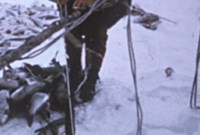
The Arctic, a realm of breathtaking beauty and unforgiving conditions, is home to the Inuit, an Indigenous people who have mastered the art of survival in extreme cold. For centuries, they have inhabited the northernmost regions of the world, including parts of Canada, Greenland, Alaska (United States), and Russia (Siberia). Their story is one of resilience, adaptation, and a deep connection to the land and sea.
This article delves into the fascinating lives of the Inuit, exploring their history, culture, survival strategies, and the challenges they face in the modern era. We will examine how they have adapted to the harsh Arctic environment, their traditional way of life, and the impact of climate change and globalization on their communities.
Who are the Inuit?
The term "Inuit" translates to "the people" in the Inuit languages. They are descendants of the Thule culture, which migrated eastward from Alaska around 1,000 years ago, replacing the earlier Dorset culture. The Inuit are distinct from other Indigenous groups in North America, both culturally and linguistically.
Their traditional territory spans a vast area of the Arctic, encompassing diverse landscapes from icy tundra to coastal regions. This geographical range has led to variations in their dialects, customs, and subsistence strategies.
Inuit Languages

The Inuit languages belong to the Eskimo-Aleut language family. There are several distinct Inuit languages and dialects, including Inuktitut (Eastern Canadian Arctic), Inuinnaqtun (Western Canadian Arctic), Kalaallisut (Greenlandic), and Iñupiaq (Northern Alaska). These languages are characterized by their complex morphology and rich vocabulary related to the Arctic environment.
Inuit Culture and Traditions
Inuit culture is deeply intertwined with the Arctic environment. Traditional Inuit life revolved around hunting, fishing, and gathering. They developed sophisticated tools and techniques for harvesting resources from the land and sea.
Hunting and Fishing: Hunting seals, whales, caribou, and fish were essential for survival. The Inuit used kayaks and umiaks (large open boats) for hunting marine mammals. They also constructed ingenious hunting tools such as harpoons, bows and arrows, and snares.
Shelter: Traditional Inuit dwellings varied depending on the season and location. In winter, they often built igloos (snow houses) for temporary shelter. In summer, they used tents made of animal skins or sod houses.
Clothing: Inuit clothing was meticulously crafted from animal skins and furs, providing excellent insulation against the extreme cold. Parkas, trousers, mittens, and boots were essential for survival in the Arctic climate.
Social Structure: Traditional Inuit societies were egalitarian, with a strong emphasis on cooperation and sharing. Leadership was based on skill and experience, rather than hereditary status. Families were the basic social unit, and kinship ties were strong.
Spiritual Beliefs: Inuit spirituality was animistic, with a belief that all living things and natural phenomena possessed spirits. Shamans played an important role in mediating between the human and spirit worlds.
Adapting to the Extreme Cold

The Inuit have developed remarkable physiological and cultural adaptations to survive in the extreme cold of the Arctic. These adaptations allow them to thrive in an environment where few others could.
Physiological Adaptations: Studies have suggested that Inuit populations may have genetic adaptations that help them regulate body temperature and metabolize fats more efficiently. Their bodies are also adapted to conserve heat and minimize heat loss.
Clothing and Insulation: As mentioned, Inuit clothing is crucial for survival. Layers of animal skins and furs trap air, providing excellent insulation. The design of their clothing also minimizes exposure to the elements.
Diet and Nutrition: The traditional Inuit diet is high in fat and protein, providing the energy needed to stay warm and active in the Arctic climate. They consume a variety of animals, including seals, whales, caribou, and fish. This diet provides essential nutrients that are difficult to obtain from other sources in the Arctic.
Shelter and Heating: Igloos, while seemingly simple structures, are remarkably effective at providing shelter from the cold. The dome shape minimizes surface area, and the snow provides excellent insulation. Inuit also used oil lamps for heating and lighting their dwellings.
Knowledge of the Environment: The Inuit possess an intimate knowledge of the Arctic environment, including weather patterns, animal behavior, and the properties of ice and snow. This knowledge is essential for survival in a constantly changing landscape.
Challenges Facing the Inuit Today
While the Inuit have proven their resilience over centuries, they face numerous challenges in the modern era. These challenges include climate change, globalization, and cultural preservation.
Climate Change: The Arctic is warming at a rate twice as fast as the global average, leading to significant changes in the environment. Melting sea ice, thawing permafrost, and changing animal migration patterns are disrupting traditional Inuit ways of life. These changes threaten their food security, infrastructure, and cultural identity.
Globalization and Cultural Loss: Increased contact with the outside world has brought both opportunities and challenges to Inuit communities. Exposure to Western culture, education, and technology has led to changes in traditional values, language, and customs. Efforts are being made to preserve and promote Inuit language and culture through education programs, cultural centers, and community initiatives.
Health and Well-being: Inuit communities face significant health challenges, including high rates of suicide, substance abuse, and chronic diseases. These issues are often linked to historical trauma, social inequality, and the disruption of traditional ways of life. Addressing these challenges requires culturally sensitive healthcare services and community-based programs.
Economic Development: Many Inuit communities struggle with poverty and unemployment. Limited access to education, training, and economic opportunities contributes to these challenges. Sustainable economic development initiatives that respect Inuit culture and values are needed to improve the well-being of these communities.
The Future of the Inuit
The future of the Inuit depends on their ability to adapt to the changing Arctic environment while preserving their cultural heritage. This requires a collaborative effort between Inuit communities, governments, and other stakeholders.
Self-determination and Governance: Empowering Inuit communities to make decisions about their own future is essential. This includes recognizing their rights to land, resources, and self-governance.
Climate Change Mitigation and Adaptation: Reducing greenhouse gas emissions is crucial to slowing the pace of climate change. Inuit communities also need support to adapt to the impacts of climate change, such as developing new hunting and fishing strategies and building more resilient infrastructure.
Cultural Preservation and Language Revitalization: Efforts to preserve and promote Inuit language and culture are vital. This includes supporting Inuit language education programs, cultural centers, and traditional arts and crafts.
Sustainable Economic Development: Promoting sustainable economic development opportunities that respect Inuit culture and values is essential. This includes supporting Inuit-owned businesses, ecotourism, and renewable energy projects.
Education and Training: Investing in education and training programs that prepare Inuit youth for the challenges and opportunities of the 21st century is crucial. This includes providing access to quality education, vocational training, and higher education opportunities.
Conclusion
The Inuit are a remarkable people who have thrived in the extreme cold of the Arctic for centuries. Their story is one of resilience, adaptation, and a deep connection to the land and sea. While they face numerous challenges in the modern era, including climate change and globalization, they are working to preserve their culture, protect their environment, and build a sustainable future for their communities.
By understanding the lives and challenges of the Inuit, we can learn valuable lessons about adaptation, resilience, and the importance of cultural preservation. Their story is a testament to the human spirit’s ability to thrive in even the most challenging environments.
The Inuit’s deep knowledge of the Arctic ecosystem provides invaluable insights into climate change and environmental stewardship. Supporting their self-determination and cultural preservation is crucial for ensuring a sustainable future for the Arctic and the world.