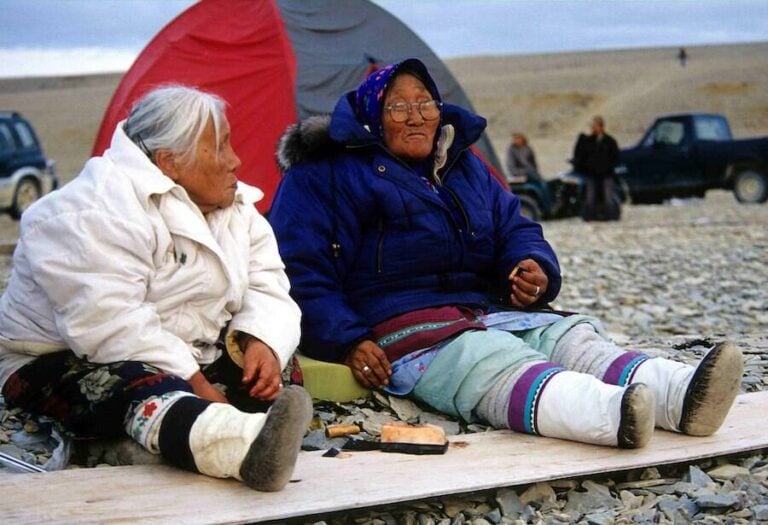
Inuit communities, deeply rooted in the Arctic landscape, have thrived for centuries thanks to the wisdom, resilience, and guidance of their elders. These respected figures are more than just senior members of society; they are the custodians of Inuit culture, the keepers of traditional knowledge, and the vital link between the past, present, and future. Understanding the role of Inuit elders is crucial to appreciating the strength and sustainability of Inuit communities.
This article delves into the multifaceted roles of Inuit elders, exploring their contributions to cultural preservation, community leadership, and the transmission of essential life skills. We will examine how their wisdom shapes Inuit society and ensures the continuation of their unique way of life.
The Keepers of Tradition: Cultural Preservation
Inuit elders are the living libraries of their culture. They hold within them the stories, songs, dances, and beliefs that define Inuit identity. Their role in preserving these traditions is paramount, particularly in the face of modernization and globalization.
Oral Tradition and Storytelling
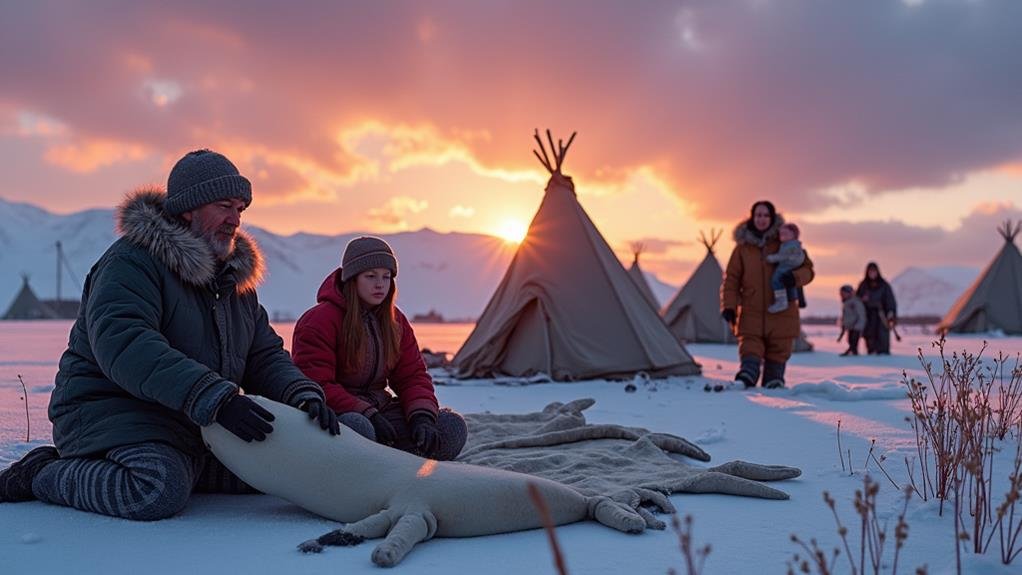
For generations, Inuit knowledge has been passed down through oral tradition. Elders are the primary storytellers, sharing legends, myths, and historical accounts that teach valuable lessons about survival, respect, and the interconnectedness of all things. These stories are not merely entertainment; they are the foundation of Inuit worldview and moral code.
Language Preservation
The Inuit language, Inuktut, is inextricably linked to Inuit culture. Elders are often the most fluent speakers, playing a crucial role in teaching the language to younger generations. They ensure that the nuances and subtleties of Inuktut, which reflect the unique relationship between the Inuit and their environment, are not lost.
Traditional Skills and Crafts
Elders possess a wealth of practical skills, from hunting and fishing to sewing and crafting. They teach these skills to younger generations, ensuring the continuation of traditional practices that are essential for survival in the Arctic environment. This includes knowledge of animal behavior, weather patterns, and the use of natural resources.
Community Leadership and Guidance
Inuit elders play a vital role in community leadership, offering guidance and wisdom to decision-making processes. Their experience and understanding of traditional values are invaluable in navigating the challenges faced by modern Inuit communities.
Advisory Roles
Elders often serve as advisors to community leaders and organizations, providing insights into the potential impacts of policies and initiatives on Inuit culture and way of life. Their perspectives are crucial in ensuring that decisions are made in the best interests of the community as a whole.
Conflict Resolution
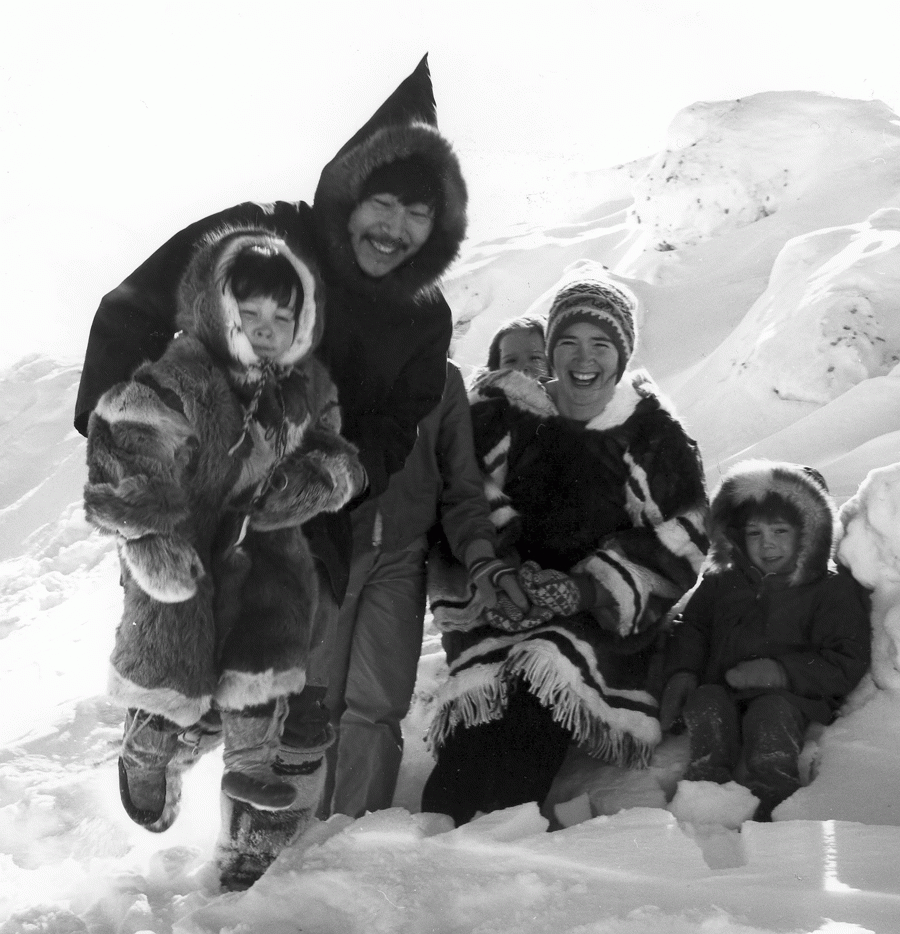
With their deep understanding of human nature and traditional values, elders are often called upon to mediate disputes and resolve conflicts within the community. They promote reconciliation and harmony by facilitating communication and encouraging understanding.
Moral Compass
Elders serve as a moral compass for the community, upholding traditional values of respect, cooperation, and sharing. They provide guidance on ethical behavior and promote a sense of collective responsibility.
Transmitting Essential Life Skills
Beyond cultural preservation and community leadership, Inuit elders play a crucial role in transmitting essential life skills to younger generations. This includes practical skills for survival in the Arctic environment, as well as important social and emotional skills.
Hunting and Fishing Techniques
Elders teach young people the traditional methods of hunting and fishing, ensuring that they have the skills necessary to provide for themselves and their families. This includes knowledge of animal behavior, weather patterns, and the use of traditional tools.
Sewing and Clothing Production
In the harsh Arctic climate, proper clothing is essential for survival. Elders teach young people how to sew and produce traditional clothing from animal skins and furs, ensuring that they are able to protect themselves from the elements.
Child-Rearing Practices
Elders play a significant role in raising children, passing on traditional values and teaching them how to behave in a respectful and responsible manner. They provide guidance and support to parents, ensuring that children are raised in accordance with Inuit cultural norms.
Addressing Common Questions (People Also Ask)
What are the specific responsibilities of Inuit elders?
Inuit elders have a wide range of responsibilities, including preserving cultural traditions, providing guidance to community leaders, resolving conflicts, teaching essential life skills, and serving as role models for younger generations. They are also responsible for ensuring that traditional values are upheld and that the community remains strong and resilient.
How are Inuit elders chosen?
Inuit elders are not formally elected or appointed. Instead, they earn their status through their wisdom, experience, and contributions to the community. They are respected for their knowledge of traditional ways, their ability to provide guidance, and their commitment to upholding Inuit values.
Why is it important to respect Inuit elders?
Respect for elders is a fundamental value in Inuit culture. Elders are seen as the keepers of knowledge and wisdom, and their guidance is essential for the well-being of the community. Showing respect for elders is a way of honoring their contributions and ensuring that their knowledge is passed on to future generations.
What challenges do Inuit elders face today?
Inuit elders face a number of challenges today, including the loss of traditional language and culture, the impacts of climate change on their environment, and the increasing influence of modern society. They also face challenges related to health care, housing, and economic opportunity.
The Future of Inuit Traditions: Ensuring Continuity
The role of Inuit elders is more critical than ever in the face of rapid social and environmental change. Their wisdom and guidance are essential for ensuring the continuity of Inuit traditions and the well-being of future generations.
Supporting Elder Programs
Many Inuit communities have established programs to support elders, providing them with opportunities to share their knowledge and skills, participate in community activities, and receive the care and support they need. These programs are crucial for ensuring that elders remain active and engaged in community life.
Promoting Intergenerational Learning
Encouraging interaction between elders and younger generations is essential for transmitting traditional knowledge and fostering a sense of cultural identity. Intergenerational learning programs can provide opportunities for elders to share their stories, teach traditional skills, and mentor young people.
Documenting Traditional Knowledge
With the rapid pace of change in the Arctic, it is important to document the traditional knowledge held by Inuit elders. This can be done through oral history projects, video recordings, and written documentation. By preserving this knowledge, we can ensure that it is available for future generations.
Conclusion: Honoring the Guardians of Inuit Culture
Inuit elders are the cornerstones of their communities, embodying the wisdom, resilience, and cultural richness of the Inuit people. Their contributions to cultural preservation, community leadership, and the transmission of essential life skills are invaluable. By understanding and respecting the role of Inuit elders, we can help to ensure the continuity of their unique way of life and honor their vital contributions to the world.
Their role as storytellers, language keepers, skill teachers, and moral guides makes them indispensable for the survival and prosperity of Inuit communities. As the Arctic landscape and Inuit society continue to evolve, the wisdom of the elders will remain a guiding light, ensuring that the traditions and values of the Inuit people endure for generations to come.


