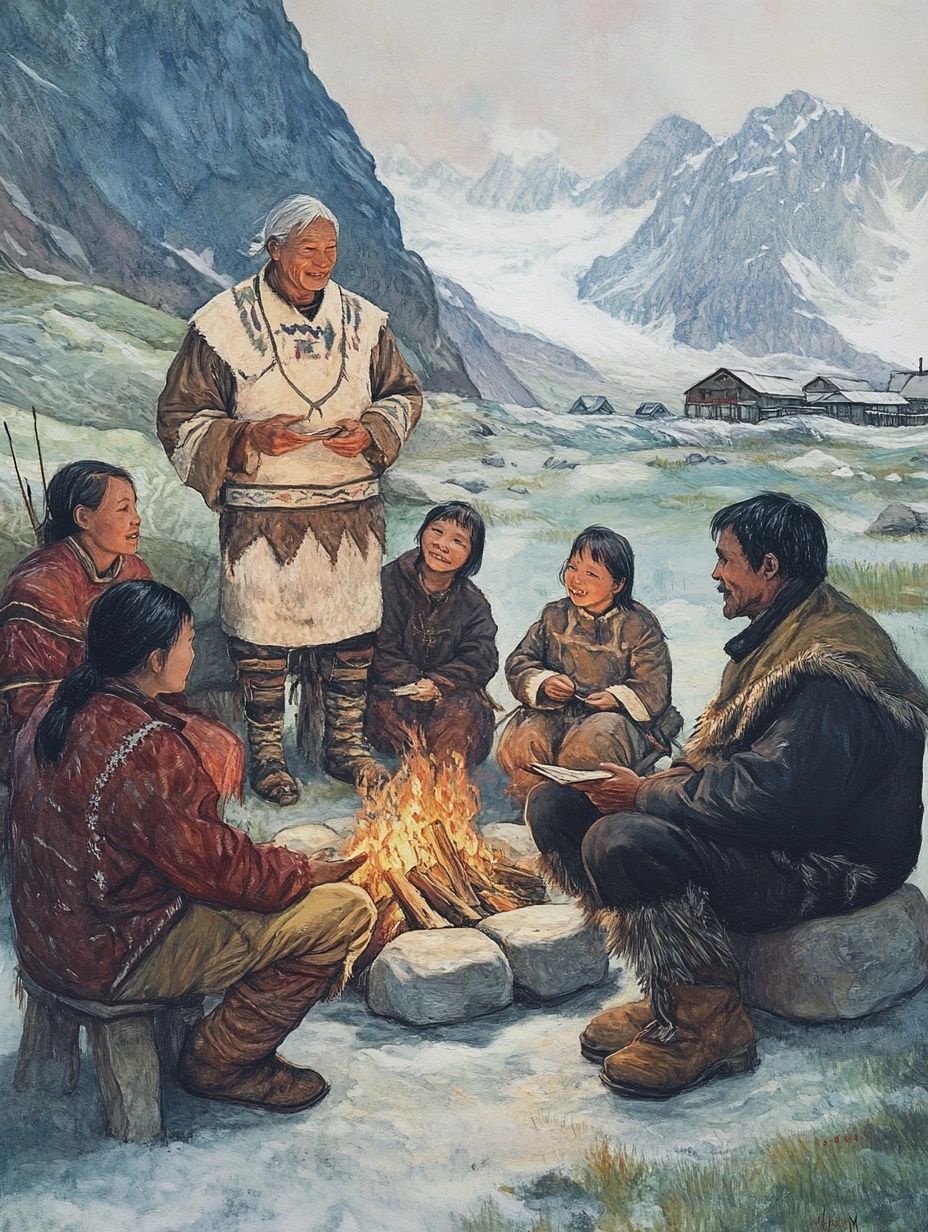
Inuit storytelling traditions are far more than mere entertainment; they are the vibrant heartbeat of a culture deeply connected to the Arctic landscape. For millennia, these oral narratives have served as the primary means of transmitting knowledge, values, history, and spiritual understanding across generations in the vast and challenging polar regions.
Living in some of the most extreme environments on Earth, the Inuit people developed a rich tapestry of stories that reflect their unique relationship with nature, animals, and the spiritual world. These tales are crucial for understanding their worldview, their resilience, and their profound wisdom.
The oral tradition is the bedrock of Inuit culture. Before the advent of written language, stories were the living archives, meticulously passed down from elder to child, ensuring that the collective memory and ancestral wisdom of the community remained intact and vibrant.
What are Inuit stories about? The themes within Inuit narratives are as diverse as the Arctic itself, yet consistently revolve around survival, respect for the environment, the interconnectedness of all life, and the complexities of human nature. They explain the inexplicable, teach moral lessons, and provide practical knowledge for thriving in a harsh climate.
These stories often feature a cast of compelling characters, including powerful spirits, shape-shifting animals, mythical beings, and heroic figures. Each narrative, whether a cautionary tale or a humorous anecdote, carries layers of meaning, inviting listeners to reflect and interpret.
One of the most significant categories of Inuit stories comprises myths and creation stories. These tales delve into the origins of the world, the stars, the land, and the very first people. They articulate the Inuit cosmology and their understanding of the universe, often featuring powerful deities and primordial events.
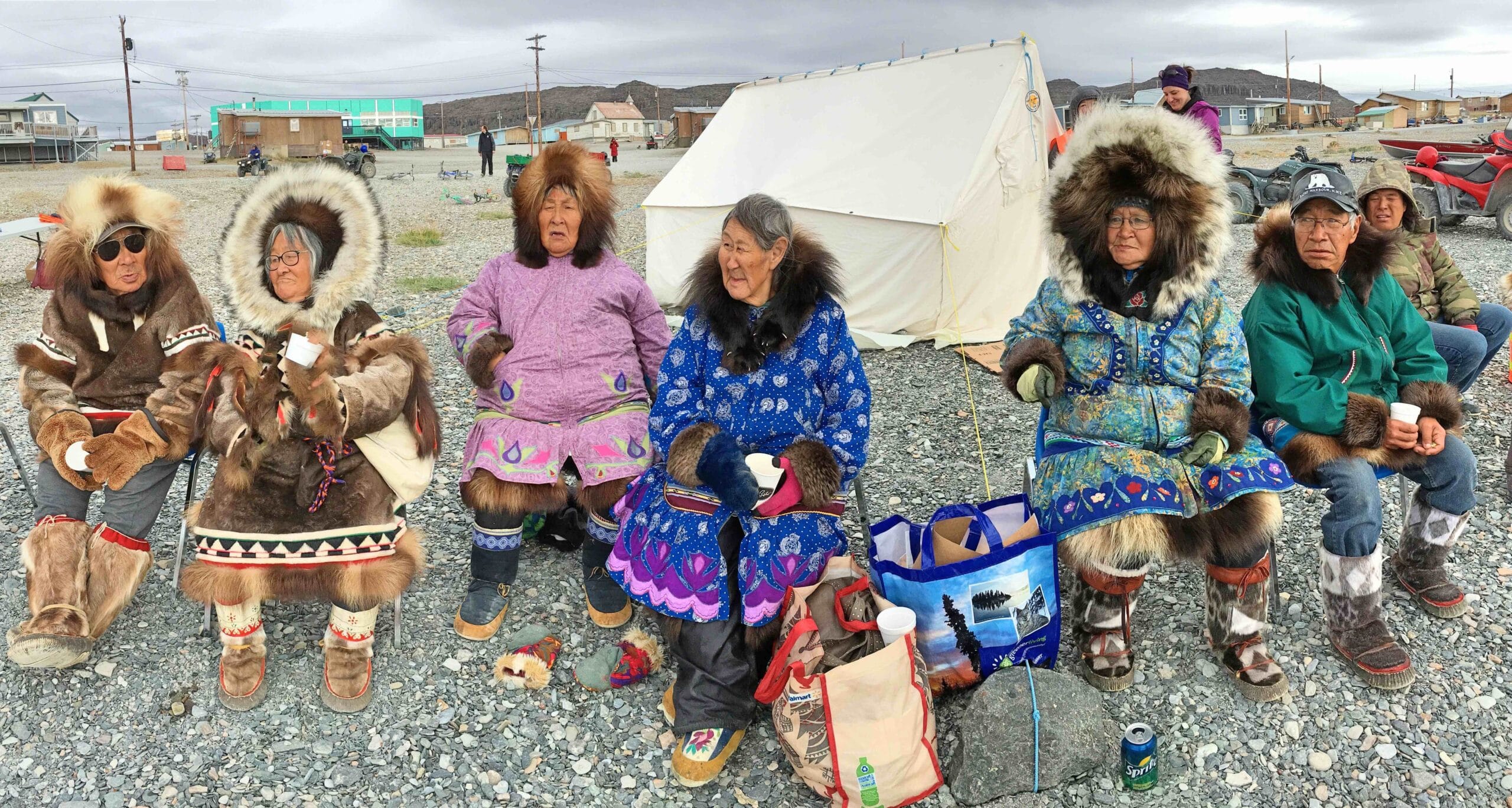
A central figure in many Inuit myths is Sedna, the Goddess of the Sea, who controls the marine animals vital for survival. Her story, often depicted with tragic origins, underscores the deep reverence and sometimes fear the Inuit hold for the ocean and its bounty, emphasizing the importance of respecting its rules.
Alongside myths are the enthralling legends and heroic tales. These narratives often recount the extraordinary feats of hunters, shamans (angakkuq), or ordinary individuals facing immense challenges. They celebrate courage, ingenuity, and the spirit of community in overcoming adversity.
Trickster tales are another prominent genre, often featuring figures like Raven or Arctic Fox. These characters, through their cleverness, mischief, and sometimes foolishness, highlight human flaws and teach moral lessons in an entertaining and memorable way, often with a touch of humor.
Many stories also involve animal symbolism and transformation, where humans can become animals and vice versa. This reflects the deep spiritual bond between the Inuit and the creatures sharing their environment, emphasizing mutual respect and the fluid boundaries between different forms of life.
Beyond the mythical and legendary, Inuit storytelling also encompasses personal narratives and historical accounts. These are often eyewitness testimonies of significant events, hunting expeditions, migrations, or encounters with the unknown, providing invaluable oral history and cultural context.
How are Inuit stories passed down? The transmission of these stories is an intricate art. Traditionally, elders and skilled narrators would gather community members, especially children, in a communal space, often a qamutiq (sled) or a warm igloo, during the long winter nights.
The storytelling performance itself is a captivating experience. Narrators employ specific vocalizations, gestures, facial expressions, and even body movements to bring the characters and events to life. The rhythm of the speech, the pauses, and the rising and falling tones are all integral to the narrative’s impact.
Audience participation is also a key element. Listeners might interject with sounds of agreement, questions, or exclamations, creating a dynamic and interactive experience that solidifies the communal bond and ensures engagement, particularly among younger audiences.
The role of the angakkuq (shaman) was particularly significant in certain types of storytelling. Shamans were not only spiritual leaders but also powerful storytellers, recounting journeys to the spirit world, encounters with helping spirits, and revelations that guided the community.
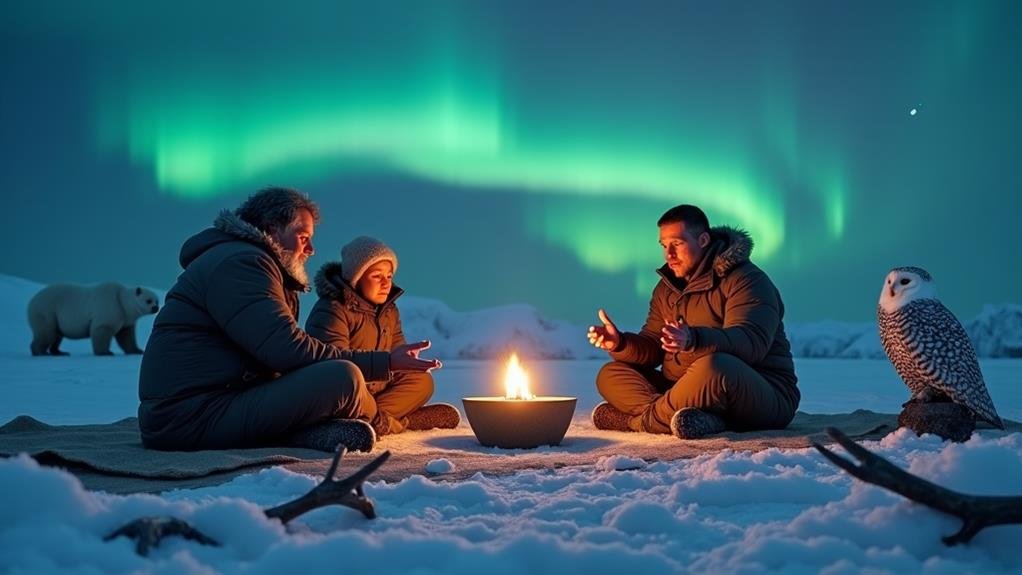
The importance of storytelling in Inuit culture cannot be overstated. It serves multiple vital functions:
- Education: Teaching children about survival skills, animal behavior, navigation, and the natural world.
- Moral Guidance: Instilling values like respect, humility, cooperation, and resilience.
- Cultural Identity: Reinforcing a sense of belonging and shared heritage.
- Spiritual Connection: Explaining the unseen world and the relationship between humans and spirits.
- Entertainment: Providing joy and community bonding during harsh conditions.
In a society without formal schools in the Western sense, storytelling was the primary classroom, the history book, and the moral compass, all rolled into one powerful oral tradition. It fostered intergenerational learning and solidified community bonds.
Today, Inuit storytelling traditions face both challenges and opportunities. The pervasive influence of modern media and the decline of the Inuktitut language among some youth pose threats to the traditional methods of transmission.
Digital archives, animated films, children’s books, and educational programs are now helping to bring ancient narratives to new audiences, both within and outside the Inuit community. This adaptation is a testament to the enduring power and relevance of these stories.
Organizations and dedicated individuals are working tirelessly to document and record elder’s stories, translating them, and making them available to ensure that this invaluable cultural heritage is preserved for future generations.
The legacy of Inuit storytelling is a testament to human ingenuity and resilience. These narratives are not just relics of the past; they are living, breathing entities that continue to inspire, educate, and connect people to a unique way of life.
They offer profound insights into living in harmony with nature, confronting adversity with courage, and cherishing the deep bonds of community. Their echoes resonate far beyond the Arctic, offering universal lessons for all humanity.
As these stories adapt and find new voices in the modern world, they ensure that the unique worldview and ancestral wisdom of the Inuit people remain vibrant, celebrated, and deeply respected, offering invaluable lessons on resilience, community, and our place within the natural world.


