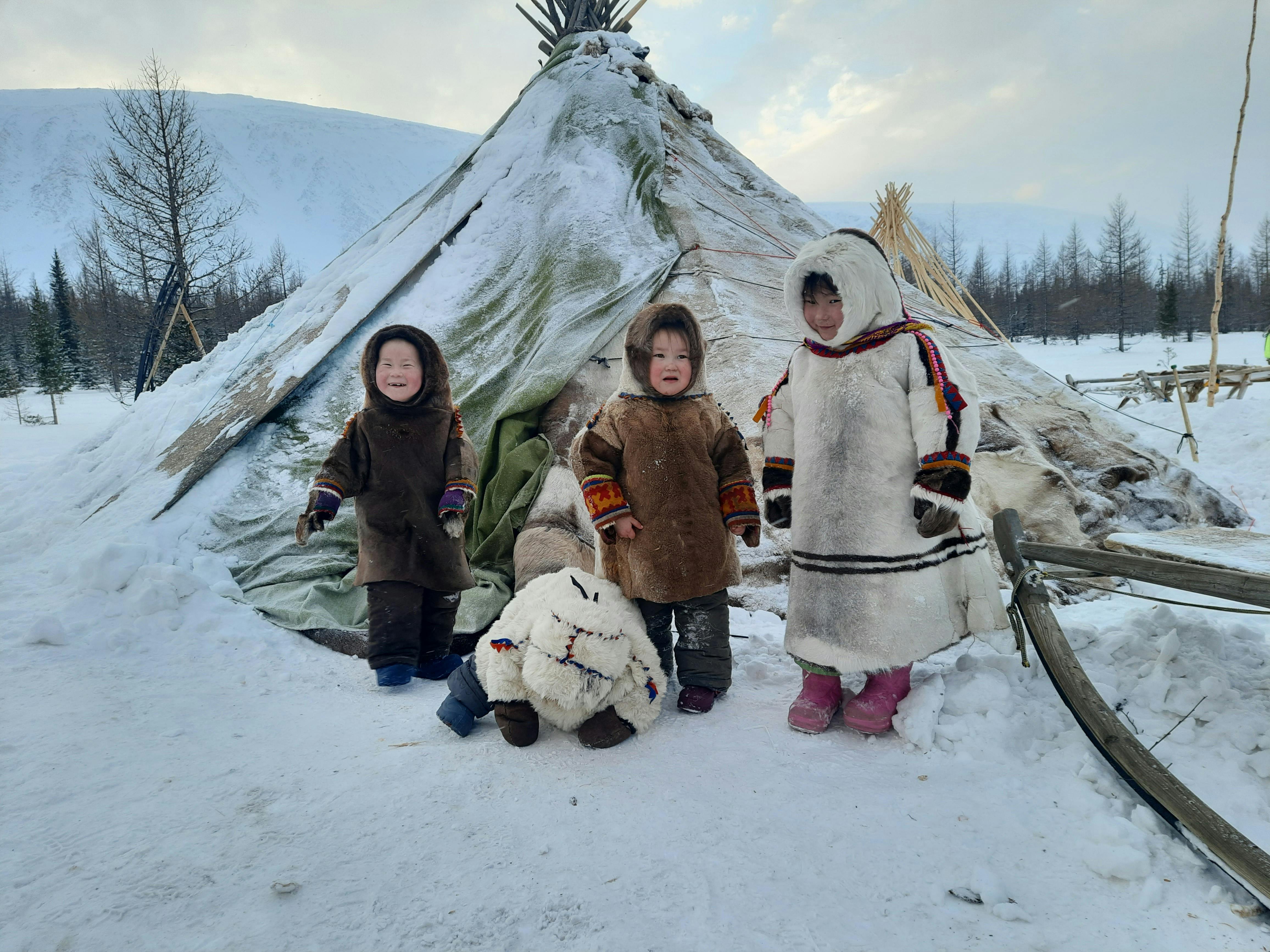
When discussing the health of the Indigenous peoples inhabiting the Arctic regions, it is crucial to use respectful and accurate terminology. While the term "Eskimo" has historically been used, it is often considered outdated and offensive by many Indigenous communities. The preferred term is generally Inuit, referring to the Indigenous peoples of Alaska, Canada, and Greenland, or more broadly, Indigenous Arctic Peoples, to include groups like the Yup’ik and Iñupiat.
Understanding the Unique Health Landscape of Indigenous Arctic Peoples. The health experiences of Indigenous Arctic Peoples are profoundly shaped by their unique environments, cultural heritage, and historical contexts. These communities face a distinct set of health challenges, often exacerbated by geographic isolation, rapid societal changes, and the lingering effects of colonization.
Their traditional lifestyles, deeply intertwined with the land and sea, once provided a diet rich in essential nutrients and fostered strong community bonds. However, modern influences have introduced new complexities, altering dietary patterns, social structures, and access to healthcare.
The Impact of Dietary Shifts and Food Insecurity. Historically, the traditional Inuit diet, rich in marine mammals, fish, and caribou, provided optimal nutrition, adapted to the harsh Arctic climate. This diet was high in protein, healthy fats (like omega-3s), and vital micronutrients.
Today, access to traditional foods is often threatened by climate change, environmental contaminants, and high costs associated with hunting and fishing. Simultaneously, there’s an increased reliance on imported, processed, and often less nutritious foods, contributing to a rise in chronic diseases.
This shift leads to significant food insecurity, where communities lack consistent access to affordable, nutritious food. The high cost of groceries in remote Arctic communities often forces families to choose cheaper, less healthy options, impacting overall health.

Prevalence of Chronic Diseases. The transition from traditional to Westernized diets and lifestyles has led to a marked increase in chronic diseases among Indigenous Arctic Peoples. Diabetes, particularly Type 2 diabetes, has become a significant public health concern, often linked to changes in diet and reduced physical activity.
Cardiovascular diseases and hypertension are also increasingly prevalent. These conditions, once rare in these populations, now pose a substantial burden on individuals and healthcare systems, often requiring specialized care not readily available in remote areas.
Addressing Mental Health and Trauma. Mental health is a critical area of concern. Indigenous Arctic communities face disproportionately high rates of suicide, particularly among youth. This crisis is often linked to a complex interplay of factors, including intergenerational trauma from residential schools and colonial policies, cultural loss, discrimination, and socio-economic disparities.
The ongoing impact of climate change also contributes to mental distress, as traditional ways of life and access to land are threatened. Feelings of loss, uncertainty, and disconnection can profoundly affect well-being, necessitating culturally sensitive mental health support.
Substance abuse, particularly alcohol and drug misuse, is another significant challenge, often intertwined with mental health issues and socio-economic factors. These issues require comprehensive, community-led prevention, treatment, and harm reduction strategies.
Infectious Diseases and Environmental Factors. While chronic diseases are on the rise, infectious diseases remain a concern. Tuberculosis (TB), for example, continues to affect Indigenous Arctic communities at rates significantly higher than the general population, often due to overcrowded housing conditions and limited access to early diagnosis and treatment.
Respiratory infections, particularly among children, are also common, exacerbated by indoor air quality issues and climate-related changes affecting pathogen distribution. The remote nature of many communities makes rapid response and adequate treatment challenging.
Climate change itself presents direct health threats. Melting permafrost affects infrastructure, potentially contaminating water sources. Changes in ice conditions impact hunting and travel, increasing accident risks. Furthermore, the exposure to environmental contaminants like mercury and PCBs, which bioaccumulate in traditional foods, raises concerns about long-term health effects.
Challenges in Healthcare Access and Delivery. Providing adequate healthcare to remote Indigenous Arctic communities is fraught with logistical and systemic challenges. Geographic isolation means limited access to hospitals, specialized medical professionals, and advanced diagnostic equipment.

Healthcare services are often delivered by fly-in nurses or general practitioners, with patients requiring evacuation for specialized care. This creates significant financial burdens, travel stress, and disconnects patients from their support systems.
Cultural barriers can also hinder effective healthcare. Western medical models may not align with Indigenous worldviews and healing practices. A lack of Indigenous healthcare providers and culturally competent staff can lead to miscommunication, mistrust, and inadequate care.
Culturally Competent and Community-Led Care. Improving health outcomes requires a paradigm shift towards culturally competent and community-led care models. This involves respecting and integrating traditional healing practices, knowledge, and spiritual beliefs into modern healthcare systems.
Key aspects of culturally sensitive care include:
- Providing care in a manner that respects Indigenous languages and communication styles.
- Acknowledging and addressing the historical and ongoing impacts of colonization and racism.
- Involving community elders and leaders in health program development and delivery.
- Training and supporting Indigenous healthcare professionals.
- Developing health education materials that are culturally relevant and accessible.
Promoting Traditional Diets and Food Security Initiatives. Efforts to restore food security and promote traditional diets are crucial. This includes supporting traditional hunting and fishing practices, establishing community freezers, and developing local food production initiatives like greenhouses.
These initiatives not only provide nutritious food but also strengthen cultural identity and promote intergenerational knowledge transfer, contributing to overall well-being beyond just physical health.
Addressing Social Determinants of Health. Health is not solely determined by individual choices but by broader social and economic conditions. Improving housing quality, ensuring access to clean water and sanitation, enhancing educational opportunities, and fostering economic development are fundamental to improving health outcomes.
Advocacy for policies that address these social determinants of health is vital. This includes government investments in infrastructure, education, and culturally appropriate social programs that empower communities.
Leveraging Technology for Remote Healthcare. Telemedicine and other digital health solutions offer promising avenues for improving access to specialized care in remote areas. Virtual consultations, remote diagnostics, and digital health education can bridge geographical gaps and provide timely support.
However, these solutions require robust internet infrastructure, digital literacy training, and careful implementation to ensure they are accessible and beneficial to all community members, respecting privacy and data sovereignty.
Focusing on Youth and Future Generations. Investing in the health and well-being of Indigenous Arctic youth is paramount. This includes culturally relevant education, mentorship programs, mental health support tailored to their experiences, and opportunities for cultural reconnection.
Empowering youth to be leaders in their communities and advocates for their own health will be critical for creating sustainable positive change for future generations.
Research and Data Sovereignty. Ethical research practices are essential. Research initiatives must be community-driven, respectful of Indigenous knowledge systems, and ensure data sovereignty, meaning communities control their own health information.
Collaborative research partnerships that benefit communities directly are vital for understanding specific health needs and developing effective, localized interventions.
The Role of Policy and Governance. Strong policy frameworks and self-governance are key enablers of improved Indigenous health. Policies that recognize Indigenous rights, support self-determination, and allocate adequate resources for health and social services are fundamental.
Indigenous-led governance structures allow communities to design and implement health strategies that are truly responsive to their unique needs and priorities, fostering greater ownership and effectiveness.
Conclusion: A Holistic Path to Wellness. The health challenges faced by Indigenous Arctic Peoples are complex, multifaceted, and deeply rooted in historical and contemporary socio-economic and environmental factors. A holistic approach to care is essential, one that recognizes the interconnectedness of physical, mental, emotional, and spiritual well-being.
Moving forward, sustained efforts must focus on culturally sensitive care, community empowerment, addressing social determinants of health, promoting food security, and leveraging technology responsibly. By respecting Indigenous knowledge, fostering self-determination, and investing in comprehensive, integrated solutions, we can support Indigenous Arctic Peoples on their path to achieving optimal health and wellness for generations to come.


