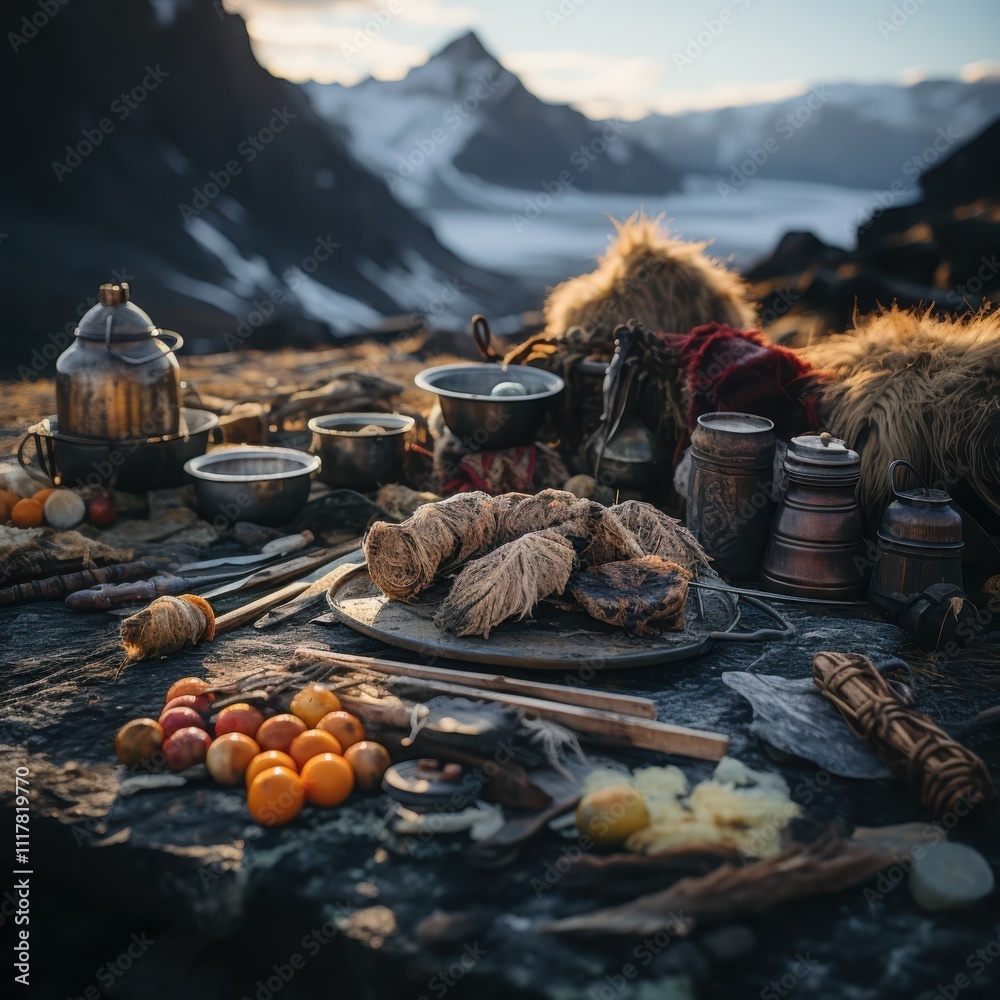
The Arctic, a land of breathtaking beauty and unforgiving extremes, presents one of the most formidable survival challenges on Earth. For thousands of years, indigenous peoples, collectively known as the Inuit (though historically referred to as Eskimo), have not merely endured but flourished in this harsh landscape. Their ingenious survival skills, honed over generations, offer profound lessons in adaptation, resourcefulness, and deep respect for the natural world.
While the term ‘Eskimo’ has been widely used, it is often considered an exonym (a name given by outsiders) and can be seen as pejorative by some. The preferred term for the indigenous people of the Arctic regions of Canada and Greenland is ‘Inuit,’ meaning ‘the people.’ In Alaska, indigenous groups include the Inupiat and Yup’ik, while in Siberia, they are known as Yupik. This article will primarily use ‘Inuit’ to honor their self-identification and rich cultural heritage.
The survival techniques of the Inuit are not merely a collection of individual skills; they represent a holistic understanding of their environment, deeply intertwined with their culture, spirituality, and social structure. Every aspect of their lives, from clothing to shelter to hunting, is a testament to their profound connection to the Arctic ecosystem.
Mastering Arctic Shelter: The Igloo’s Ingenuity
Perhaps the most iconic symbol of Inuit survival is the igloo, a dome-shaped shelter constructed from snow. Far from being a primitive dwelling, the igloo is a marvel of snow architecture and thermal engineering. Its unique design leverages the insulating properties of compacted snow, trapping body heat and maintaining surprisingly comfortable interior temperatures, often well above freezing, even when outside temperatures plummet to -50°C (-58°F).
Building an igloo is a skill requiring precision and strength. Large blocks of snow, carefully cut from a hard-packed snowdrift, are spirally laid to form a self-supporting dome. A small entrance tunnel, often below the main living area, acts as a cold trap, preventing warm air from escaping and cold air from entering. A small ventilation hole ensures air circulation, preventing suffocation and smoke buildup from traditional lamps.
Beyond igloos, Inuit also utilized other snow structures, such as snow trenches or windbreaks, for temporary shelter during hunts or travel. These simpler constructions, while not as robust as an igloo, provided crucial protection from the relentless Arctic winds, which can drive wind chill temperatures to lethal levels in mere minutes.
Sustenance in Scarcity: Hunting and Food Procurement
The Arctic environment offers limited vegetation, making hunting and fishing the primary means of sustenance. The Inuit developed sophisticated hunting techniques for marine mammals like seals, whales, and walruses, as well as land animals such as caribou, muskoxen, and polar bears. Every part of an animal was utilized, minimizing waste and maximizing resources.
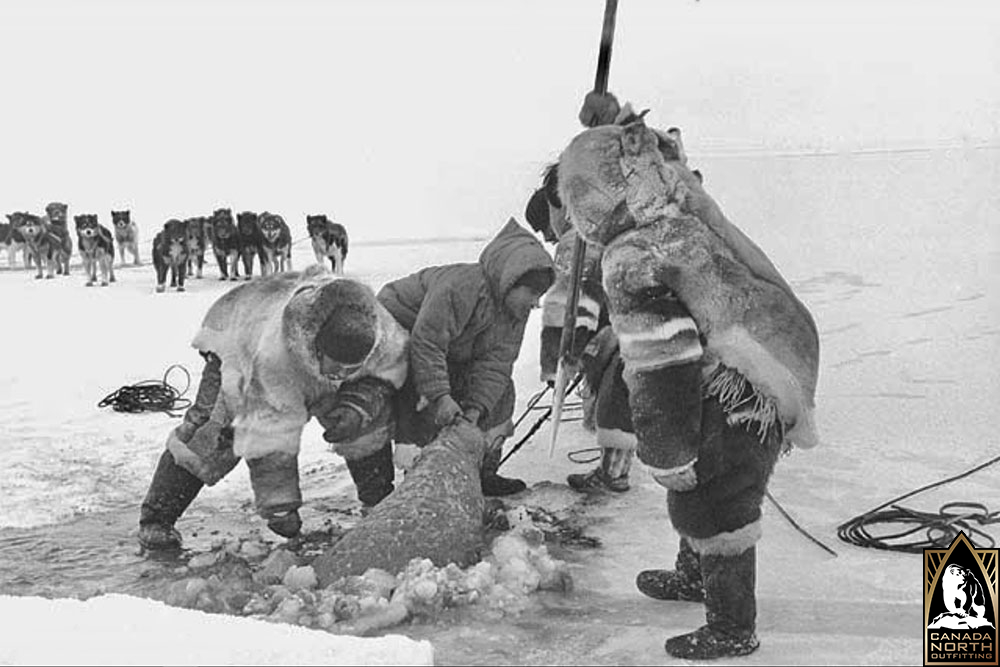
Seal hunting was particularly vital, providing not only meat but also blubber for fuel and light, skins for clothing and shelter, and bones for tools. Hunters would patiently wait at breathing holes in the sea ice, sometimes for hours, to harpoon a surfacing seal. This required immense patience, acute observation skills, and an intimate understanding of seal behavior.
Caribou hunting, often conducted in groups, provided large quantities of meat, essential for survival during long winters. Caribou hide was prized for its exceptional insulating properties, making it ideal for winter clothing. The antlers and bones were fashioned into tools, weapons, and even sled runners.
Fishing, both through ice and in open waters, supplemented the diet. Arctic char, cod, and other cold-water species were caught using specialized lures, nets, and spears. The ability to identify productive fishing grounds and understand fish migration patterns was critical.
While limited, certain plant resources like berries (crowberries, cloudberries), mosses, and roots were gathered during the brief summer months. These provided essential vitamins and minerals, helping to prevent scurvy and other nutritional deficiencies. Knowledge of edible plants was passed down through generations.
Preserving the Harvest: Arctic Food Storage
Given the feast-or-famine nature of Arctic hunting, effective food preservation was paramount. The natural freezer of the Arctic environment was a primary tool. Meat and fish were often frozen solid in underground caches (permafrost acting as a natural refrigerator) or simply left exposed to the frigid air. Drying and fermenting were also common methods, ensuring a food supply through lean times.

Water in a Frozen World: Hydration Strategies
Access to potable water is a constant challenge in the Arctic. While snow and ice are abundant, not all forms are suitable for consumption. Melting fresh snow or freshwater ice (often identified by its blue tint, as opposed to the opaque, white, or greenish saltwater ice) was the primary method. Consuming saltwater ice can lead to dehydration due to its salt content. Hunters carried blubber lamps or small fires to melt snow, or simply relied on body heat to melt small amounts in containers.
The Arctic Armor: Inuit Clothing Ingenuity
Inuit clothing is a masterpiece of thermal design. It involves a sophisticated layering system, primarily made from animal hides and furs, meticulously sewn to provide maximum insulation and wind protection while allowing for movement and moisture management. The design principles are still relevant in modern cold-weather gear.
Typically, two layers of caribou hide were worn: an inner layer with the fur facing inward towards the body, and an outer layer with the fur facing outward. This creates an insulating air pocket between the layers. Sealskin was used for outer garments due to its water-resistant properties, crucial for damp conditions or near water.
Boots (kamiks) were made from sealskin or caribou hide, often with an inner lining of grass or fur for added insulation. Mittens, hoods, and parkas were designed to minimize exposed skin, protecting against frostbite and hypothermia. The ability to sew and repair these garments was a fundamental survival skill, often taught from a young age.
Moisture management was a critical consideration. Wet clothing quickly loses its insulating properties and can lead to hypothermia. Inuit clothing designs allowed for ventilation and were often removed or adjusted during strenuous activity to prevent sweating, then quickly donned again when resting.
Tools and Technology: Extending Human Capability
The Inuit developed an impressive array of tools and technologies from limited natural resources. Harpoons, often with detachable heads, were crucial for hunting large marine mammals. Bows and arrows were used for caribou and other land animals. Knives, made from slate, bone, or later, metal, were indispensable for butchering, skinning, and crafting.
Transportation was equally sophisticated. The kayak (qajaq), a highly maneuverable, skin-covered boat, was used for hunting seals and other marine animals in open water. The larger umiak, a communal boat, transported families and goods. On land, dog sleds, pulled by trained teams of dogs, enabled efficient travel across vast, snow-covered distances, carrying supplies and game.
Navigating the Featureless Expanse: Arctic Orienteering
In a landscape often devoid of prominent landmarks, Inuit developed remarkable navigational skills. They used the sun, stars (especially Polaris), and moon as guides. They also interpreted subtle cues from the environment: the direction of snowdrifts (which are shaped by prevailing winds), ice formations, and even animal tracks provided vital directional information. Their mental maps of vast territories were incredibly detailed and accurate.
The Power of Community and Knowledge Transfer
Survival in the Arctic was rarely a solitary endeavor. Community cooperation, sharing resources, and mutual support were fundamental. The transmission of knowledge from elders to younger generations was critical. Children learned by observation and participation, absorbing the intricate details of hunting, crafting, and living in harmony with the environment.
Mental Fortitude and Adaptability
Beyond the physical skills, the mental fortitude of the Inuit is a powerful aspect of their survival. Resilience, patience, optimism, and a deep understanding of the risks and rewards of their environment were essential. Their ability to adapt to changing conditions, whether weather patterns or animal migrations, ensured their continued existence.
Modern Challenges and the Preservation of Traditional Skills
Today, Inuit communities face new challenges, including climate change, which profoundly impacts their traditional hunting grounds and way of life. Despite these pressures, many traditional survival skills and knowledge systems are actively preserved and taught, recognizing their cultural importance and practical value. Modern technology is often integrated, but the core principles of Arctic survival remain rooted in ancestral wisdom.
The legacy of Inuit survival skills is a testament to human ingenuity and the profound capacity for adaptation. It highlights the importance of deep ecological knowledge, sustainable resource management, and the enduring strength of cultural identity in the face of extreme adversity.
In conclusion, the ‘Eskimo survival skills’ of the Inuit are not just a collection of techniques, but a profound way of life that embodies a symbiotic relationship with one of the world’s most challenging environments. From the architectural genius of the igloo to the intricate art of hunting and the sophisticated design of their clothing, every aspect reflects an unparalleled mastery of Arctic living. Their enduring wisdom offers invaluable lessons for anyone seeking to understand human resilience and the power of traditional knowledge.


