
Against the Ice and Tide: The Enduring Resilience of the Inuit
The Arctic, a land of unforgiving beauty, where temperatures plunge to lethal lows and winter days are swallowed by months of darkness, has long been a crucible for human survival. For millennia, the Indigenous peoples of this vast expanse – collectively known as the Inuit, along with their relatives like the Yup’ik and Inupiat – have not merely survived but thrived, developing one of the most sophisticated and sustainable cultures on Earth. Their story is a profound testament to human resilience and adaptation, a narrative woven through ice, wind, and an unwavering connection to their environment, tested by colonialism, climate change, and the relentless march of modernity.
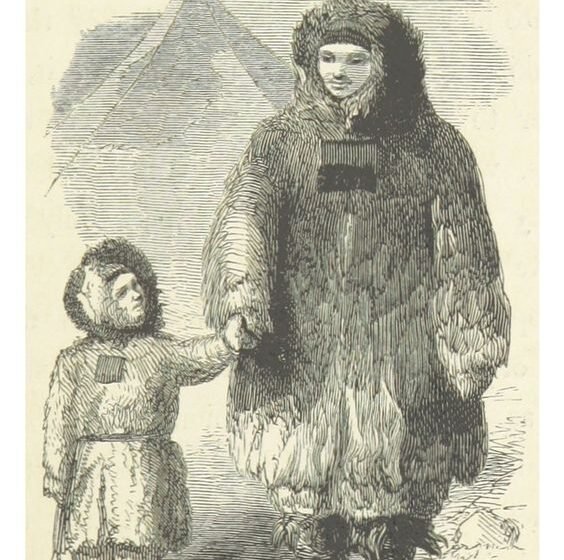
From the frigid shores of Alaska to the vast Canadian Arctic and Greenland, Inuit ancestors honed an intricate knowledge of their surroundings, a mastery unparalleled in its depth. Their traditional way of life, centered on hunting seals, whales, caribou, and fish, demanded ingenuity at every turn. They engineered the kayak, a marvel of hydrodynamic design, and the qamutiik, a sled perfectly suited for traversing snow and ice. Their clothing, meticulously crafted from caribou skins and sealskin, provided unparalleled insulation, allowing them to endure conditions that would quickly claim others. Shelters, from the temporary iglu to more permanent stone and sod dwellings, were designed with a keen understanding of thermodynamics and local materials.
This traditional knowledge, known as Inuit Qaujimajatuqangit (IQ), encompasses not just survival skills but also a holistic philosophy of life: deep respect for the land and animals, community cooperation, resourcefulness, and a profound understanding of the interconnectedness of all things. It taught them to read the nuances of sea ice, predict weather patterns with astonishing accuracy, and navigate vast, featureless landscapes using celestial bodies and snow formations. This inherent adaptive capacity was their first, and perhaps most powerful, shield against the harsh realities of the Arctic.
Then came the profound disruption. Beginning in the 17th century but intensifying dramatically in the 20th, European and later Canadian and American colonial powers exerted their influence. Whalers, traders, missionaries, and government officials introduced foreign diseases, economic systems, and a worldview fundamentally at odds with Inuit traditions. Forced relocations, often to establish sovereignty or facilitate resource extraction, severed communities from ancestral hunting grounds and disrupted social structures. Perhaps the most devastating blow was the residential school system, which forcibly removed Inuit children from their families, banned their language, and subjected them to abuse, leaving a legacy of intergenerational trauma that continues to reverberate today.
"Our language, our culture, our very identity was under attack," recounts one elder in a historical account. "They wanted to ‘civilize’ us, but all they did was try to break our spirit." The introduction of permanent settlements, reliance on store-bought goods, and the imposition of foreign governance structures irrevocably altered the Inuit way of life. Many lost their traditional skills, their language, and their sense of self-worth. It was a concerted effort to erase a way of life, and for a time, it seemed to succeed.
Yet, the spirit of resilience, deeply ingrained through millennia of survival, refused to be extinguished. In the face of immense adversity, the Inuit began a slow, arduous process of cultural revitalization and political self-determination.
A pivotal moment arrived on April 1, 1999, with the creation of Nunavut, a vast territory in Canada’s Eastern Arctic that became the largest Indigenous-governed landmass in the world. Nunavut, meaning "our land" in Inuktitut, gave the Inuit a powerful voice in their own governance, education, and resource management. It was a monumental achievement, a testament to decades of tireless advocacy and a powerful symbol of a people reclaiming their destiny. Similar strides toward self-governance have been made in Alaska and Greenland, where the Inuit also hold significant political power.
Today, the challenges persist, exacerbated by a new, existential threat: climate change. The Arctic is warming at a rate two to three times faster than the global average, dramatically altering the landscape and threatening the very foundations of Inuit life. Melting sea ice makes traditional hunting and travel routes treacherous, impacting food security and cultural practices. Thawing permafrost damages infrastructure, from homes to runways. Changes in animal migration patterns and unpredictable weather events add layers of complexity to daily life.
"The ice is our highway, our grocery store, our playground," explains an Inuit hunter from Cambridge Bay. "When it’s gone, or too thin to trust, it changes everything. Our elders teach us how to live with the land, but how do we live with a land that is changing so fast?"
Despite these profound environmental shifts, contemporary Inuit resilience is characterized by an extraordinary ability to blend traditional knowledge with modern innovation. Hunters now use GPS and satellite phones to navigate increasingly unpredictable terrain, combining ancient tracking skills with cutting-edge technology. Community radio stations broadcast in Inuktitut, preserving language and sharing news. Young filmmakers tell stories of their culture, ensuring its vibrancy for future generations.
The Inuit are also at the forefront of global climate advocacy. As eyewitnesses to the most dramatic environmental changes on the planet, their voices carry immense moral authority. They participate in international forums, sharing their experiences and demanding urgent action, reminding the world that the Arctic is not just a distant frontier but a vital component of Earth’s climate system.
Furthermore, efforts to revitalize language and culture are flourishing. Language immersion programs are empowering youth to speak Inuktitut, ensuring its survival. Traditional arts, like carving, printmaking, and throat singing, are experiencing a renaissance, providing avenues for cultural expression and economic opportunity. Mental health initiatives, often drawing on traditional healing practices alongside Western psychology, are addressing the lingering impacts of intergenerational trauma.
Food security remains a critical issue. While "country food" (hunted meat and fish) is highly nutritious and culturally significant, its availability is increasingly uncertain due to climate change and high costs associated with hunting equipment. Simultaneously, imported store-bought food is exorbitantly expensive in remote communities, leading to high rates of food insecurity. Yet, communities are adapting, establishing greenhouses for fresh produce and developing innovative food distribution networks, all while striving to maintain access to traditional foods.
The story of Inuit resilience is not one of merely surviving hardship, but of actively adapting, innovating, and asserting their cultural identity against overwhelming odds. It is a story of a people who have endured the harshest environment on Earth, only to face even greater challenges born from human impact and global forces. Their ability to draw strength from their ancestral wisdom while embracing the tools of the modern world offers a powerful lesson to humanity.

As the world grapples with its own environmental and societal crises, the Inuit stand as a beacon of hope and a living blueprint for adaptation. They remind us that true resilience comes not from resisting change entirely, but from maintaining core values, fostering community, and continuously finding new ways to thrive, even when the very ground beneath your feet is shifting. Their journey is far from over, but their enduring spirit against the ice and tide continues to inspire.


