Bridging Worlds: The Enduring Power of Navajo Nation Cultural Exchange Programs
The Navajo Nation, Dinetah, a sovereign landmass larger than 10 U.S. states, is not merely a geographic entity; it is a vibrant, living repository of Diné culture, history, and an unyielding spirit. In an increasingly interconnected yet often misunderstood world, the Navajo Nation has proactively championed cultural exchange programs as vital conduits for education, preservation, and global understanding. These initiatives are not passive invitations but deliberate, meticulously crafted efforts to share the profound wisdom, intricate artistry, and resilient worldview of the Diné people with the wider world, while simultaneously reinforcing cultural identity within their own communities.
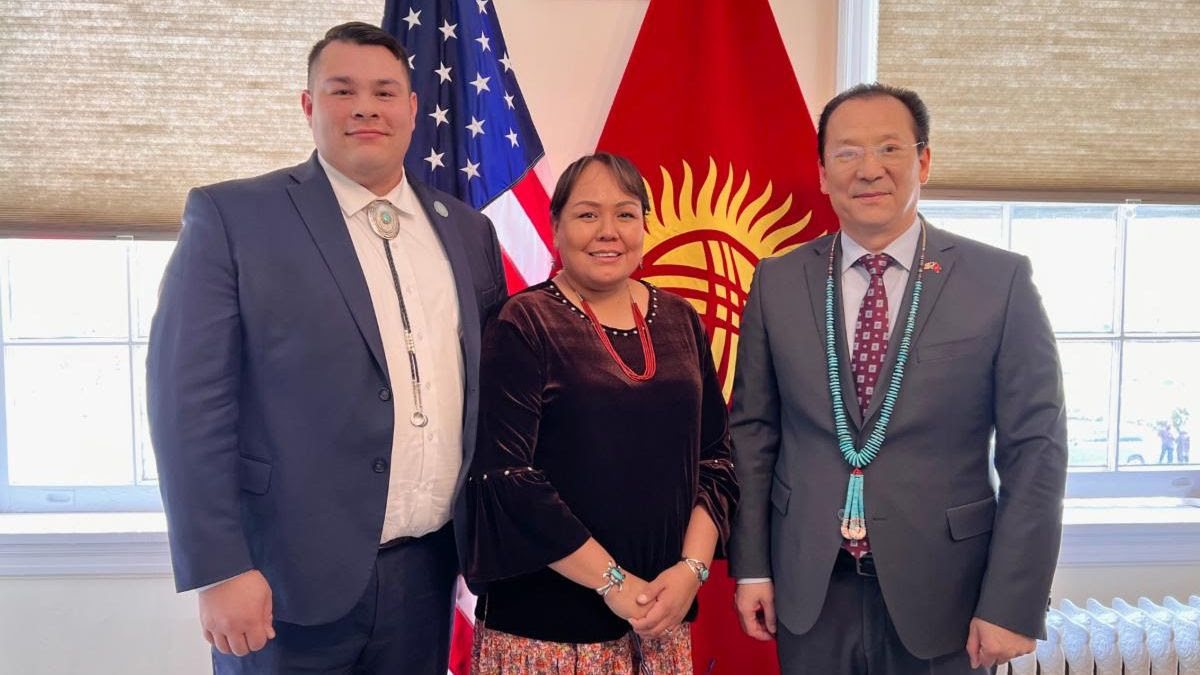
At the heart of these programs lies a multifaceted objective: to combat stereotypes, foster genuine appreciation, and ensure the intergenerational transfer of knowledge. For centuries, Indigenous cultures have been subjected to misrepresentation or outright erasure. Navajo cultural exchange programs serve as a powerful counter-narrative, allowing the Diné to define and present themselves on their own terms. They are instruments of cultural diplomacy, weaving threads of understanding across diverse landscapes, from university campuses to international stages, and back into the hogans of the reservation.
Inbound Immersion: Experiencing Dinetah Firsthand
One primary modality of cultural exchange involves inviting external participants into the Navajo Nation itself. These inbound immersion programs are meticulously designed to offer authentic, respectful encounters with Diné life. Participants, ranging from university students and researchers to artists and cultural enthusiasts, engage directly with Navajo elders, artists, educators, and community members.
"There’s a difference between reading about us in a book and sitting with an elder, hearing their stories as the sun sets over the mesas," explains Dr. Lena Tsosie, Director of Cultural Preservation for the Navajo Nation. "Our land, our language, our ceremonies – they are all intertwined. To understand one, you must experience the others. These programs provide that immersive, holistic understanding."

Many university programs, often through Native American studies departments, send cohorts of students to the Navajo Nation for several weeks or months. These students might live with Navajo families, participate in daily life, assist with community projects, and attend lectures on Diné history, governance, and philosophy. They learn about traditional farming techniques, the significance of the Four Sacred Mountains, and the intricacies of the Navajo clan system, which defines kinship and social organization. For many, it’s a transformative experience that challenges preconceived notions and cultivates a deeper respect for Indigenous sovereignty and cultural resilience.
Beyond academia, community-led initiatives offer workshops in traditional arts. Visitors can learn the meticulous craft of Navajo weaving, often under the tutelage of master weavers whose skills have been passed down through generations. They experience the process from sheep to loom, understanding not just the technique but the spiritual significance embedded in each pattern and color. Similarly, workshops in silversmithing, pottery, and sand painting provide hands-on learning, connecting participants to the aesthetic and philosophical foundations of these revered art forms. These programs also serve an economic purpose, providing direct income for Navajo artists and supporting sustainable cultural tourism that benefits local communities.
Outbound Ambassadors: Sharing Diné Wisdom with the World
Equally vital are the outbound exchange programs, where Navajo artists, educators, spiritual leaders, and youth travel beyond the Nation’s borders to share their culture with a global audience. These ambassadors carry the richness of Diné traditions to museums, cultural festivals, academic conferences, and international forums, shattering misconceptions and fostering dialogue.
Navajo artists frequently exhibit their work in prestigious galleries and museums worldwide, from the Smithsonian National Museum of the American Indian to European cultural institutions. These exhibitions are often accompanied by artist talks, demonstrations, and cultural performances, transforming static displays into dynamic educational experiences. A renowned Navajo silversmith might explain the spiritual symbolism behind a particular turquoise setting, while a weaver might demonstrate the complex techniques of a Two Grey Hills rug, offering insights far beyond the artifact itself.
Educational institutions regularly invite Navajo scholars and elders to speak on topics ranging from Indigenous governance and environmental stewardship to Diné language revitalization efforts. "When I speak to students at universities, I emphasize that our traditional knowledge is not just ‘history’ but living science," states Elder Thomas Begay, a frequent lecturer on ethnobotany and traditional healing. "Our understanding of the land, the plants, the animals – it’s crucial for solving today’s global challenges." These engagements not only educate non-Native audiences but also inspire Navajo youth, demonstrating the global relevance and value of their heritage.
Furthermore, youth exchange programs play a crucial role in empowering the next generation of Diné leaders. Navajo high school and college students participate in programs that send them to other Indigenous communities, national leadership conferences, or even international settings. These experiences broaden their horizons, allow them to connect with diverse cultures, and strengthen their sense of identity and purpose as representatives of the Navajo Nation. They learn valuable skills in communication, advocacy, and cultural presentation, preparing them to be effective stewards of their heritage.
Pillars of Exchange: Language, Art, and Land
Three fundamental pillars underpin the core of Navajo cultural exchange: the Diné language (Diné Bizaad), traditional arts, and the profound connection to the land.
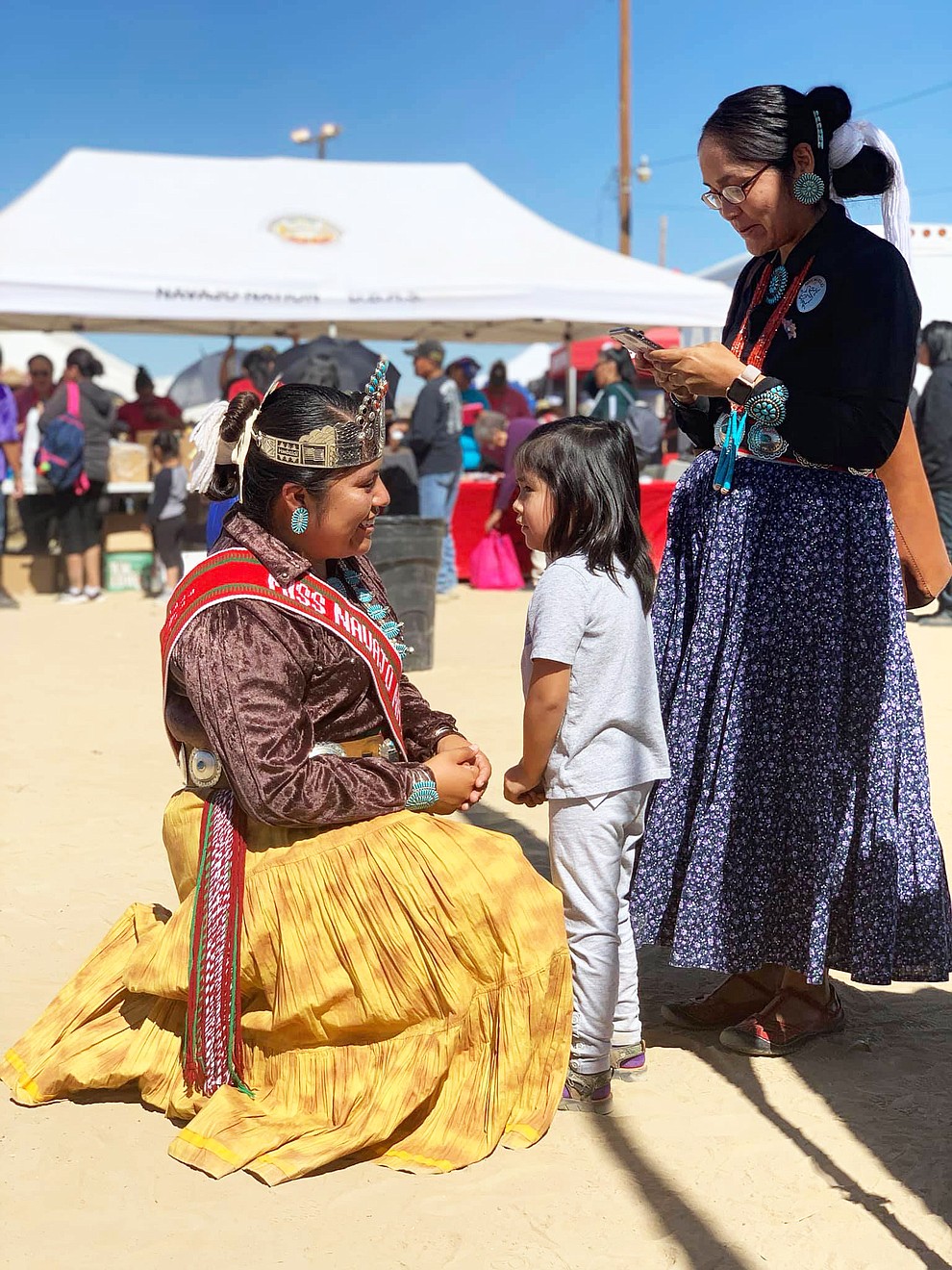
Diné Bizaad, a complex Athabaskan language, is more than just a means of communication; it is a repository of Diné philosophy, history, and worldview. Its unique grammatical structure and vocabulary reflect a deep relationship with the natural world and a holistic understanding of existence. Exchange programs often feature language immersion components, where participants learn basic phrases and understand the significance of language in cultural identity. For the Navajo Nation, promoting Diné Bizaad through these exchanges is a critical step in language revitalization, especially given the historical traumas of boarding schools that actively suppressed Indigenous languages.
Navajo traditional arts – weaving, silversmithing, pottery, sand painting, and basketry – are not merely decorative. Each art form is imbued with cultural narratives, spiritual meaning, and meticulous craftsmanship passed down through generations. They serve as tangible expressions of Diné cosmology, history, and aesthetic values. Cultural exchange programs provide a platform for master artists to teach and demonstrate their crafts, ensuring the continuity of these traditions and educating the world about their profound significance beyond their market value.
The Diné’s relationship with the land is perhaps the most fundamental aspect of their culture. The Navajo Nation is a vast and diverse landscape, from arid deserts to towering mesas, and every feature holds spiritual and historical significance. Exchange programs emphasize environmental stewardship, traditional ecological knowledge, and the concept of Hózhó, a state of balance and harmony with the natural world. Participants learn about sustainable practices, the importance of respecting sacred sites, and the deep spiritual connection that defines the Diné’s identity.
Challenges and the Path Forward
While immensely beneficial, Navajo cultural exchange programs face inherent challenges. Funding is a constant concern, as these initiatives require significant resources for travel, accommodation, materials, and fair compensation for cultural practitioners. Ensuring authenticity and avoiding the commodification of culture is another delicate balance. The goal is genuine education and appreciation, not mere entertainment or exploitation. Furthermore, managing the expectations of both internal and external participants, and navigating cultural sensitivities, requires careful planning and experienced leadership.
Despite these complexities, the Navajo Nation remains steadfast in its commitment to cultural exchange. The future envisions expanded digital platforms for remote learning, increased partnerships with international Indigenous communities, and a continued emphasis on youth leadership development. The goal is to not only preserve but to project the vibrant, dynamic culture of the Diné people onto the global stage, fostering a world where cultural diversity is celebrated, respected, and understood.
In essence, Navajo Nation cultural exchange programs are far more than mere educational initiatives; they are acts of self-determination, resilience, and profound generosity. They are living bridges, built by the Diné people, connecting their ancient wisdom with contemporary challenges, and offering a powerful model for how cultural understanding can enrich and heal a fractured world. By opening their homes, their stories, and their hearts, the Navajo Nation extends an invitation to learn, to respect, and to ultimately, to understand the enduring power of a culture deeply rooted in land, language, and an unwavering spirit of harmony.


