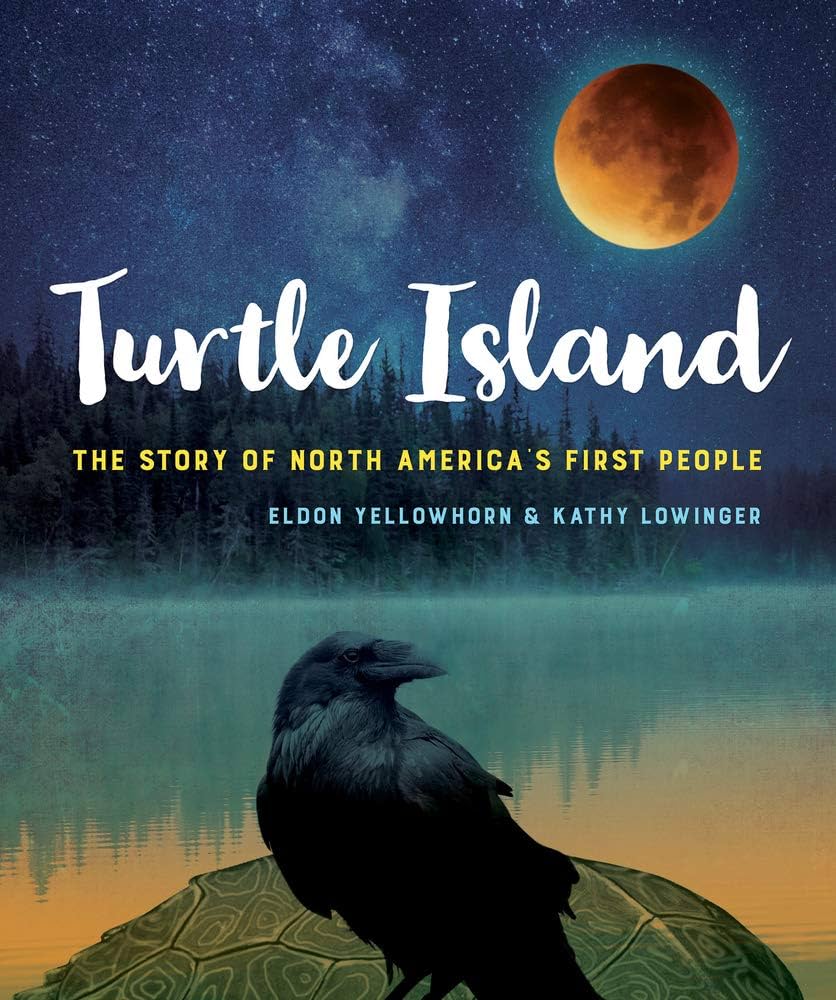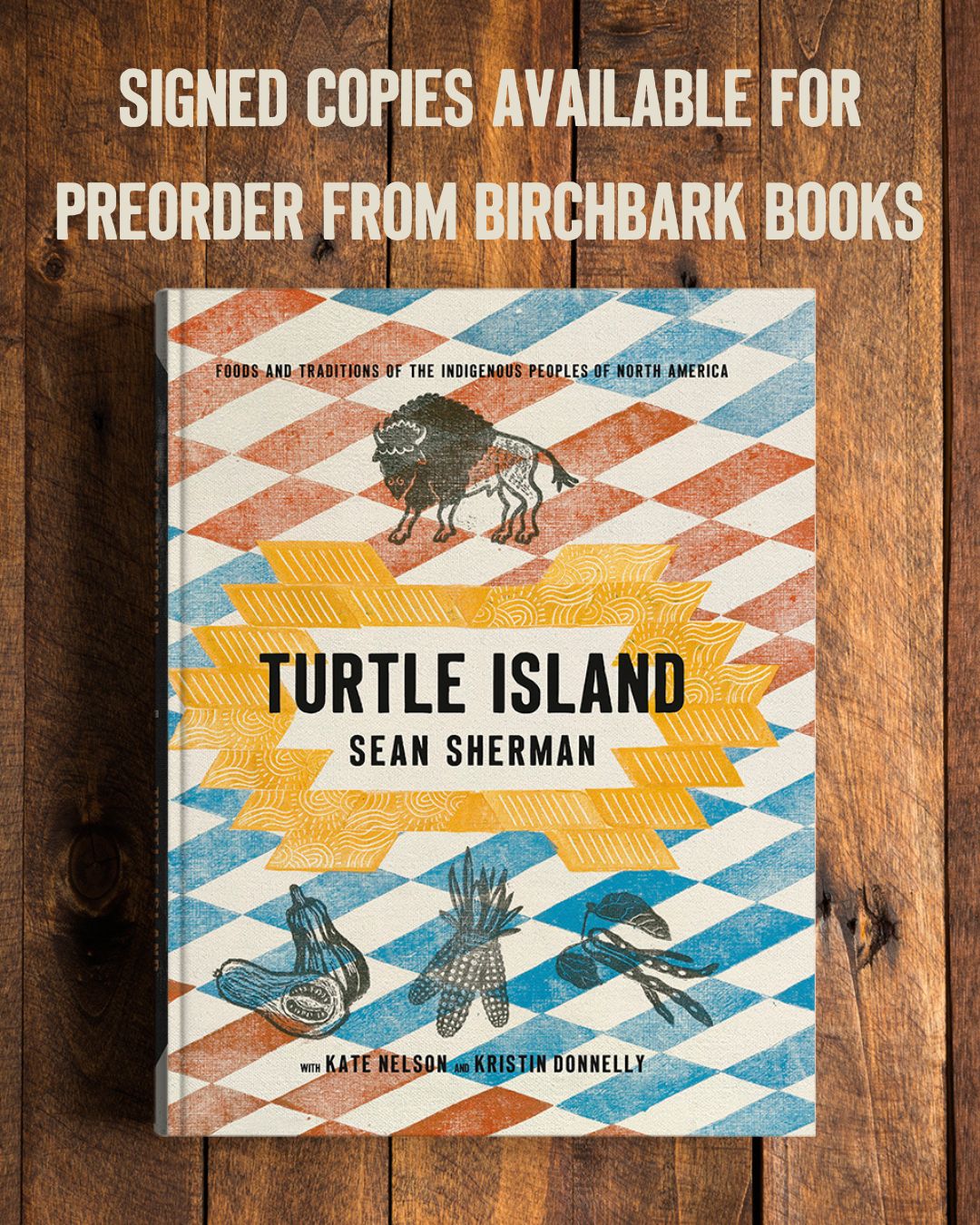
The Enduring Echoes of Turtle Island: Essential Indigenous Voices in Literature
Turtle Island, a name for North America deeply rooted in Indigenous creation stories, represents far more than a geographical landmass. It embodies a profound spiritual, cultural, and historical landscape, vibrant with millennia of storytelling, wisdom, and resilience. For too long, the dominant narratives of this continent have been told through a colonial lens, often silencing or distorting the rich literary traditions of its original peoples. However, a renaissance of Indigenous literature is powerfully asserting itself, offering indispensable insights into identity, land, trauma, healing, and the boundless human spirit.
These are not merely "books by Indigenous authors"; they are foundational texts for understanding Turtle Island, challenging preconceived notions, and enriching the global literary canon. To delve into the best books on Turtle Island is to embark on a journey through diverse nations, languages, and experiences, all united by a powerful connection to the land and an unwavering commitment to truth-telling.
One cannot begin a discussion of essential Indigenous literature without acknowledging the monumental work of Robin Wall Kimmerer. Her non-fiction masterpiece, Braiding Sweetgrass: Indigenous Wisdom, Scientific Knowledge and the Teachings of Plants (2013), is not just a book; it’s a paradigm shift. Kimmerer, a botanist and enrolled member of the Citizen Potawatomi Nation, seamlessly weaves together scientific inquiry with Indigenous ways of knowing. She argues for a "grammar of animacy," urging readers to recognize the personhood of all living beings and to move from a consumer relationship with the land to one of reciprocity and gratitude. Her prose is lyrical, profound, and deeply moving, offering a blueprint for how humanity might heal its broken relationship with the natural world. "Restoration is a powerful antidote to despair," Kimmerer writes. "We don’t have to just stand by and watch the destruction. We can participate in the restoration. We can make a difference." Braiding Sweetgrass is essential reading for anyone seeking a deeper connection to the earth and a more ethical way of living on it.
From the lyrical non-fiction of Kimmerer, we turn to the intricate fictional worlds crafted by Louise Erdrich. An enrolled member of the Turtle Mountain Band of Chippewa Indians, Erdrich is a Pulitzer Prize-winning author whose interconnected novels offer a panoramic view of Ojibwe life in North Dakota across generations. Her debut novel, Love Medicine (1984), introduced readers to the Kashpaw and Lamartine families, whose lives are marked by love, loss, humor, and the enduring power of community. Erdrich’s narratives are rich with magical realism, deep psychological insight, and a profound understanding of the complexities of human relationships, all set against the backdrop of a landscape imbued with spiritual significance. Her later works, such as The Round House (2012), which won the National Book Award, powerfully address contemporary issues like tribal sovereignty and sexual assault on reservations, doing so with a gripping narrative and unflinching honesty. Erdrich’s oeuvre is a testament to the resilience and enduring spirit of Indigenous peoples.
Thomas King, a Canadian-American writer of Cherokee descent, stands as a towering figure in Indigenous literature, known for his incisive wit, satirical prowess, and deep philosophical engagement. His novel Green Grass, Running Water (1993) is a masterclass in challenging Western narrative structures, intertwining creation myths, historical events, and contemporary Indigenous lives with a playful, yet profound, irreverence. King often uses humor to disarm readers before delivering sharp critiques of colonialism, stereotypes, and the commodification of Indigenous culture. Beyond fiction, his non-fiction work The Inconvenient Indian: A Curious Account of Native People in North America (2012) is an essential, accessible, and often hilarious historical overview that dismantles myths and reclaims Indigenous perspectives. King famously states, "The truth about stories is that that’s all we are." His work consistently reminds us of the power of narrative to shape reality and the urgent need to tell our own stories.
The legacy of historical trauma, particularly the devastating impact of residential schools, is a theme central to many Indigenous narratives. Richard Wagamese, an Ojibwe author from the Wabaseemoong First Nation in Canada, tackled this head-on in his powerful novel Indian Horse (2012). The book follows Saul Indian Horse, a young Ojibwe boy whose childhood is stolen by the residential school system, where he endures horrific abuse. Yet, he finds a temporary escape and solace in the game of hockey, his extraordinary talent carrying him through the darkest times. Wagamese’s prose is stark, beautiful, and deeply empathetic, exploring themes of survival, intergenerational trauma, racism, and the long, arduous journey toward healing. Indian Horse is a poignant and necessary story, shedding light on a painful chapter in Canadian and American history while celebrating the resilience of the human spirit.
From the desert landscapes of the American Southwest, Leslie Marmon Silko, a writer of Laguna Pueblo, Cherokee, Mexican, and European ancestry, offers another foundational text: Ceremony (1977). This novel is a powerful exploration of a young Laguna Pueblo man named Tayo, who returns home from World War II suffering from shell shock and cultural displacement. Through the guidance of traditional healers and his reconnection with the land and ancient stories, Tayo embarks on a spiritual journey to heal himself and his community. Silko masterfully blends traditional Pueblo storytelling with modern narrative techniques, illustrating how ancient ceremonies and indigenous knowledge systems hold the keys to restoring balance in a world disrupted by colonialism and trauma. Ceremony is a profound meditation on identity, belonging, and the enduring power of cultural traditions.
Poetry, as an ancient and vital form of Indigenous expression, finds a magnificent voice in Joy Harjo. A member of the Muscogee (Creek) Nation, Harjo served an unprecedented three terms as the Poet Laureate of the United States. Her collections, such as An American Sunrise (2019) and Conflict Resolution for Holy Beings (2015), are vibrant tapestries of memory, history, music, and the sacred. Harjo’s poems are often deeply personal yet resonate with universal themes of displacement, survival, and the search for spiritual connection. She writes with a fierce love for her people and the land, her words singing with the rhythms of jazz and the wisdom of her ancestors. "The world begins at a kitchen table. No matter what, we must eat to live," she writes in "Perhaps the World Ends Here." Harjo’s work is a testament to the enduring power of language and song to heal and to bear witness.
Looking to contemporary and future-facing narratives, Cherie Dimaline (Métis, Oji-Cree) and Waubgeshig Rice (Anishinaabeg) offer compelling speculative fiction that grapples with the future of Indigenous peoples on Turtle Island. Dimaline’s The Marrow Thieves (2017) is a powerful young adult dystopian novel set in a future where Earth has been ravaged by environmental disaster, and non-Indigenous people have lost the ability to dream. Indigenous people, whose bone marrow holds the cure, are hunted and harvested. The novel follows a group of Indigenous survivors as they flee north, seeking refuge and holding onto their culture, language, and stories as tools for survival. It’s a poignant exploration of resilience, family, and the profound importance of cultural memory.
Similarly, Rice’s Moon of the Crusted Snow (2018) presents an apocalyptic scenario where an isolated Anishinaabe community loses power and communication with the outside world. As winter descends and resources dwindle, the community must draw upon traditional knowledge and communal strength to survive. Rice skillfully avoids dystopian clichés, instead focusing on the ethical dilemmas, social dynamics, and the deep wisdom embedded in Indigenous ways of life that become crucial for survival when modern systems fail. Both Dimaline and Rice demonstrate the continued vitality and diversity of Indigenous storytelling, pushing boundaries while remaining deeply rooted in cultural values.
This selection barely scratches the surface of the vast and growing body of Indigenous literature on Turtle Island. Other vital voices include Billy-Ray Belcourt (Driftpile Cree Nation) for his groundbreaking poetry and essays (A History of My Brief Body), Tanya Talaga (Ojibwe) for her searing investigative journalism (Seven Fallen Feathers), and countless others who are contributing to this literary awakening.
To read these books is to engage in an act of profound respect and reconciliation. It is to acknowledge histories often erased, to celebrate cultures that have persisted against immense odds, and to gain invaluable perspectives on what it means to be human in relation to land, community, and spirit. These authors are not merely telling stories; they are reclaiming narratives, asserting sovereignty, and offering pathways toward a more just and interconnected future for all inhabitants of Turtle Island. Their works are not just "best books"; they are essential guides for navigating the complex and beautiful reality of this continent.