
Sacred Earth, Enduring Spirit: The History of Native American Spiritual Sites
In the vast tapestry of human history, few relationships are as profound and enduring as that between Indigenous peoples and their ancestral lands. For Native Americans, this connection transcends mere ownership or habitation; it is a spiritual bond, a reciprocal relationship with a living, breathing entity. Across North America, the landscape is dotted with places imbued with profound sacredness—sites of ceremony, healing, vision quests, burial, and historical memory. These spiritual sites are not merely historical markers; they are vital, living centers of culture, identity, and resilience, bearing witness to millennia of reverence and centuries of struggle.
The history of Native American spiritual sites is a testament to an unwavering faith in the face of immense adversity. From the towering peaks and vast canyons to the winding rivers and ancient forests, these sacred places are the heartbeats of diverse nations, each telling a unique story of creation, sustenance, and the enduring human spirit.
The Landscape as a Living Temple: Pre-Contact Sacredness
Before the arrival of European colonizers, the North American continent was a mosaic of vibrant Indigenous cultures, each with its own intricate spiritual traditions deeply interwoven with the land. For these peoples, the earth was not a resource to be exploited but a mother, a provider, and a teacher. Sacred sites were not confined to man-made structures; often, they were natural features—mountains, caves, rivers, springs, rock formations—imbued with spiritual power, ancestral presence, or historical significance.
Consider Chaco Canyon in present-day New Mexico, a monumental Ancestral Puebloan complex that flourished between 850 and 1250 AD. Its immense stone structures, known as "Great Houses," were meticulously aligned with celestial events, serving as centers for ceremony, trade, and astronomical observation. The canyon itself, with its towering mesas and arroyos, was understood as a sacred landscape, a place where the physical and spiritual worlds converged. The elaborate network of roads extending from Chaco suggests its far-reaching influence as a spiritual and cultural hub.

Further east, the Mound Builders of the Ohio and Mississippi River valleys constructed colossal earthen effigies and ceremonial mounds. The Serpent Mound in Ohio, an enormous effigy over 1,300 feet long, is believed to be a representation of a powerful spirit, possibly linked to the cycles of the sun and moon, and a site for sacred rituals by the Adena and Fort Ancient cultures. These mounds often served as burial sites, platforms for temples, or places for astronomical observation, connecting the people to their ancestors and the cosmos.
Another profound example is Cahokia Mounds in Illinois, which was the largest pre-Columbian city in North America, peaking around 1050-1200 AD with a population potentially exceeding 20,000. Its massive Monk’s Mound, a four-tiered earthen platform, once supported a grand temple and commanded views of an intricate urban landscape centered around plazas and woodhenges used for calendrical ceremonies. Cahokia was not just a city; it was a vast spiritual metropolis, reflecting a highly organized society with a deep understanding of cosmology and ceremonial life.
Many Indigenous nations revered specific mountains as places of vision quest, prayer, and healing. Bear Butte (Mato Paha) in South Dakota, for example, remains a sacred site for the Lakota, Cheyenne, and other Plains tribes. It is a place where ceremonies are performed, and individuals go to seek visions and spiritual guidance, leaving prayer flags and tobacco offerings. "Bear Butte is a place where the Creator still speaks," says Lakota Elder Duane Hollow Horn Bear, emphasizing its enduring spiritual vitality.
The Cataclysm of Colonization: Desecration and Displacement
The arrival of European colonizers ushered in an era of profound disruption and desecration for Native American spiritual sites. Driven by doctrines of discovery, religious fervor, and an insatiable hunger for land and resources, colonizers systematically dismantled Indigenous spiritual practices and appropriated sacred lands.
Missionaries often sought to replace Indigenous spiritual systems with Christianity, sometimes building churches directly on top of or adjacent to existing sacred sites, symbolically asserting dominance. Burial grounds were often plowed over for farming or development, and sacred objects were looted or destroyed. The very concept of land ownership—a foreign idea to many Indigenous peoples who viewed themselves as stewards of the earth—led to the forced displacement of nations from their ancestral domains, severing their physical and spiritual ties to places integral to their identity.
One of the most poignant examples of this desecration is the Black Hills (Paha Sapa) of South Dakota. For the Lakota, Cheyenne, and other tribes, the Black Hills are the sacred heart of their world, a place of creation, renewal, and profound spiritual power. Yet, following the discovery of gold in 1874, the U.S. government violated the 1868 Fort Laramie Treaty, which had guaranteed the Lakota these lands, opening them to prospectors and settlers. The subsequent establishment of Mount Rushmore—a monument to colonizers carved into a sacred mountain—stands as a stark symbol of this profound disrespect and theft. Despite a 1980 Supreme Court ruling that affirmed the government’s illegal seizure and awarded monetary compensation, the Lakota have consistently refused the money, demanding the return of their sacred lands, asserting, "The Black Hills are not for sale."
Resilience and Resistance: The Enduring Spirit
Despite centuries of systematic oppression, the spiritual connection to these sites endured. Native peoples continued to practice their ceremonies, often in secret, and pass down the knowledge of their sacred places to younger generations. The resilience of Indigenous spiritual traditions is a testament to their deep roots and inherent strength.
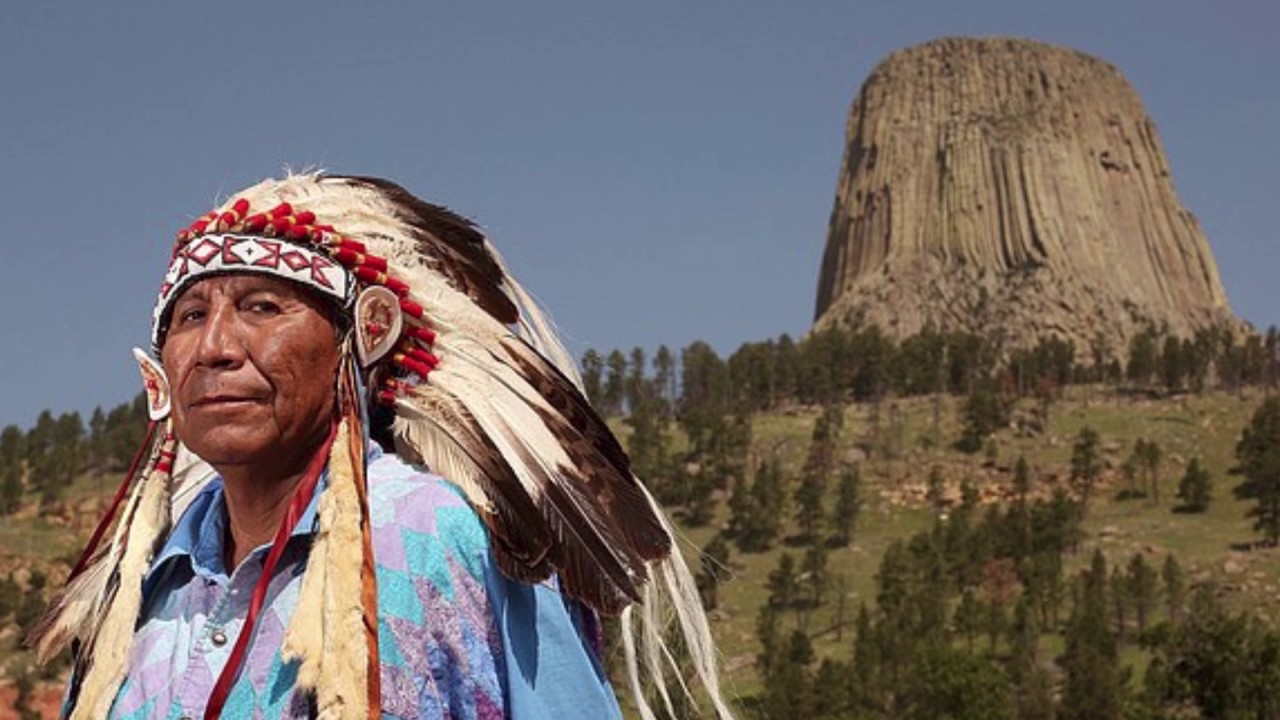
The Ghost Dance movement of the late 19th century, for example, emerged as a spiritual revitalization movement among various Plains tribes, promising renewal and the return of ancestral lands and ways of life. Though brutally suppressed, culminating in the Wounded Knee Massacre in 1890, it underscored the enduring power of spiritual beliefs to inspire hope and resistance.
In the 20th century, as Indigenous rights movements gained momentum, the fight for the protection and reclamation of sacred sites intensified. The American Indian Religious Freedom Act (AIRFA) of 1978 was a crucial step, acknowledging the right of Native Americans to practice their traditional religions and access sacred sites. However, AIRFA often proved to be more symbolic than effective, as it did not grant tribes superior rights to federal lands and frequently lost out to competing interests like resource extraction or public access.
Contemporary Battles: Development vs. Sacredness
Today, the struggle to protect Native American spiritual sites continues on multiple fronts. Industrial development, resource extraction, tourism, and even climate change pose ongoing threats to these irreplaceable cultural landscapes.
One of the most prominent recent battles centers on Bears Ears National Monument in Utah. This vast landscape, rich with Ancestral Puebloan and other Indigenous artifacts, burial sites, and ceremonial grounds, is profoundly sacred to the Hopi, Navajo, Ute, Zuni, and other tribes. They successfully advocated for its designation as a national monument in 2016, emphasizing the need for co-management of the land. However, the monument’s size was significantly reduced by the Trump administration in 2017, sparking a renewed outcry and legal challenges, only to be fully restored by the Biden administration in 2021. The fight for Bears Ears exemplifies the ongoing struggle for Indigenous sovereignty and the protection of culturally significant lands. As Octavius Seowtewa, a Zuni spiritual leader, stated, "Bears Ears is a place where the Creator still speaks to us, a place where our ancestors are present."
Another critical conflict involves Oak Flat (Chi’chil Biłdagoteel) in Arizona, a sacred site for the San Carlos Apache and other Western Apache tribes. For generations, Apache people have gathered acorns, conducted ceremonies, and sought spiritual refuge in this area. However, it is slated to be handed over to Resolution Copper, a subsidiary of Rio Tinto and BHP Billiton, for a massive copper mine that would create a colossal crater and destroy the site. Despite intense tribal opposition and a lawsuit, the land transfer was approved, highlighting the ongoing tension between corporate interests and Indigenous religious freedom. Wendsler Nosie Sr., a former San Carlos Apache chairman, declared, "This isn’t just about the Apache, it’s about religious freedom for all Americans. This is our holy land."
The Standing Rock Sioux Tribe’s protest against the Dakota Access Pipeline in 2016-2017 brought global attention to the sanctity of water and land. The pipeline’s proposed route threatened sacred burial grounds and cultural sites, as well as the tribe’s primary water source, the Missouri River. The rallying cry "Mni Wiconi" (Water Is Life) resonated far beyond the camps, underscoring the interconnectedness of environmental protection, cultural survival, and spiritual well-being.
Towards Healing and Reconciliation: The Path Forward
Despite the historical trauma and ongoing challenges, there is a growing movement towards healing, reconciliation, and respectful co-existence. The Native American Graves Protection and Repatriation Act (NAGPRA) of 1990 was a landmark piece of legislation, requiring federal agencies and museums to return Native American human remains, funerary objects, sacred objects, and objects of cultural patrimony to lineal descendants and culturally affiliated tribes. While its implementation has been complex and imperfect, NAGPRA has been instrumental in restoring dignity to ancestors and returning vital spiritual items to their rightful communities.
The Landback movement is gaining momentum, advocating for the return of ancestral lands to Indigenous nations, recognizing that true sovereignty and cultural revitalization are intrinsically linked to land stewardship. Partnerships between federal agencies, conservation groups, and tribal nations are also becoming more common, aiming for collaborative management of lands that respects Indigenous knowledge and spiritual practices.
The history of Native American spiritual sites is not just a tale of ancient reverence; it is a living narrative of profound cultural significance, enduring resilience, and ongoing struggle. These sites are not relics of the past but vibrant centers of contemporary Indigenous life, crucial for the spiritual health, cultural continuity, and self-determination of Native nations. Protecting them is not just an act of historical preservation; it is an act of justice, respect, and a recognition of the invaluable wisdom Indigenous peoples offer to the world about living in harmony with the sacred earth. As we look to the future, understanding and respecting these sacred places is essential for fostering a more just, equitable, and sustainable world for all.


