Sacred Fields, Enduring Spirits: A Deep History of Native American Games and Sports
Beyond the realm of mere recreation, the games and sports of Native American peoples represent a profound tapestry woven into the very fabric of their societies. Far from being simple pastimes, these activities were deeply imbued with spiritual significance, serving as crucial tools for physical training, conflict resolution, social bonding, cultural transmission, and even economic exchange. For thousands of years before European contact, and enduring through centuries of immense challenge, these games shaped individuals and communities, echoing the wisdom of ancestors and ensuring the vitality of future generations.
The historical roots of Native American games stretch back into the mists of antiquity, with archaeological evidence suggesting sophisticated sporting traditions existed millennia ago. Ball courts, game pieces, and pictographs found across the continent attest to the pervasive and vital role of these activities. Unlike the often specialized and professionalized sports of today, traditional Native American games were holistic, integrating physical prowess with mental acuity, spiritual connection, and communal participation. They were, in essence, a microcosm of life itself.
The "Little Brother of War": Lacrosse and Stickball
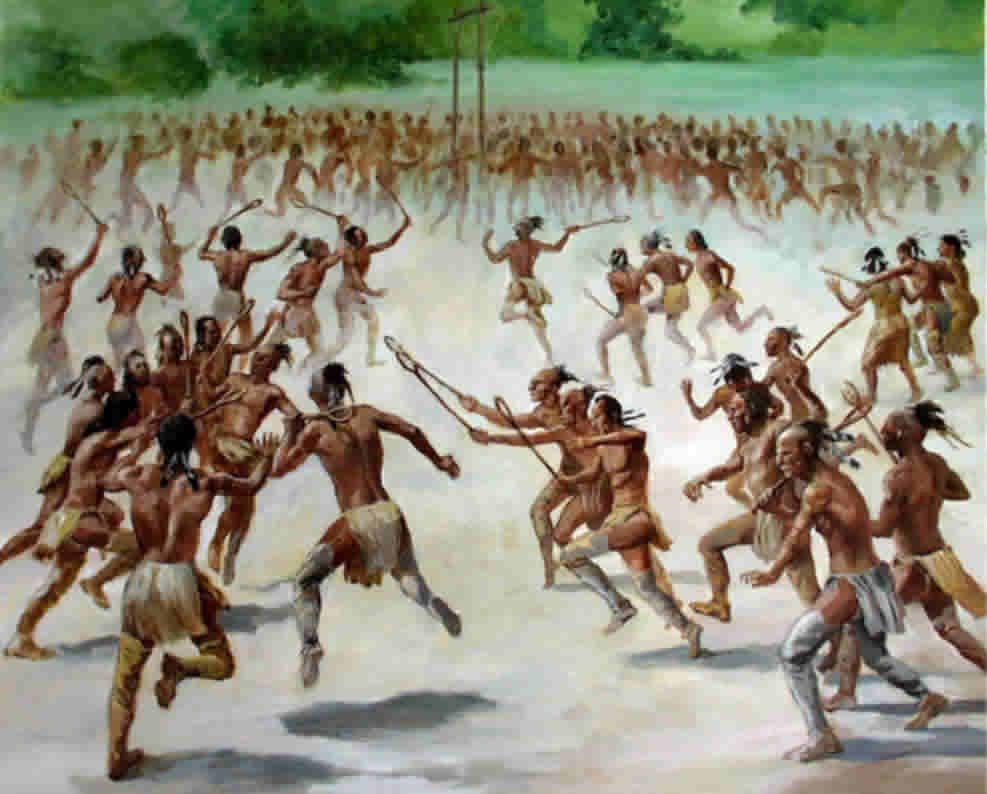
Perhaps the most iconic and widely recognized Native American game is what we now know as lacrosse. Originally called by various names such as Tewaaraton (Mohawk for "the Creator’s game") or Dehoñtjihgwa’es (Onondaga for "they bump hips"), it was known to many as the "Little Brother of War." This moniker speaks volumes about its intensity and purpose. These games were not just competitions; they were often diplomatic tools, used to settle disputes between tribes without resorting to full-scale warfare, or as preparatory training for actual combat.
Early accounts describe games played by hundreds, sometimes even thousands, of players from different villages or tribes, on fields stretching for miles. The goals could be rocks, trees, or specially constructed posts. The wooden sticks, often handcrafted and passed down through generations, were sacred objects, believed to carry the spirits of ancestors. The ball, typically made of deerskin, wood, or even carved from stone, was equally revered.
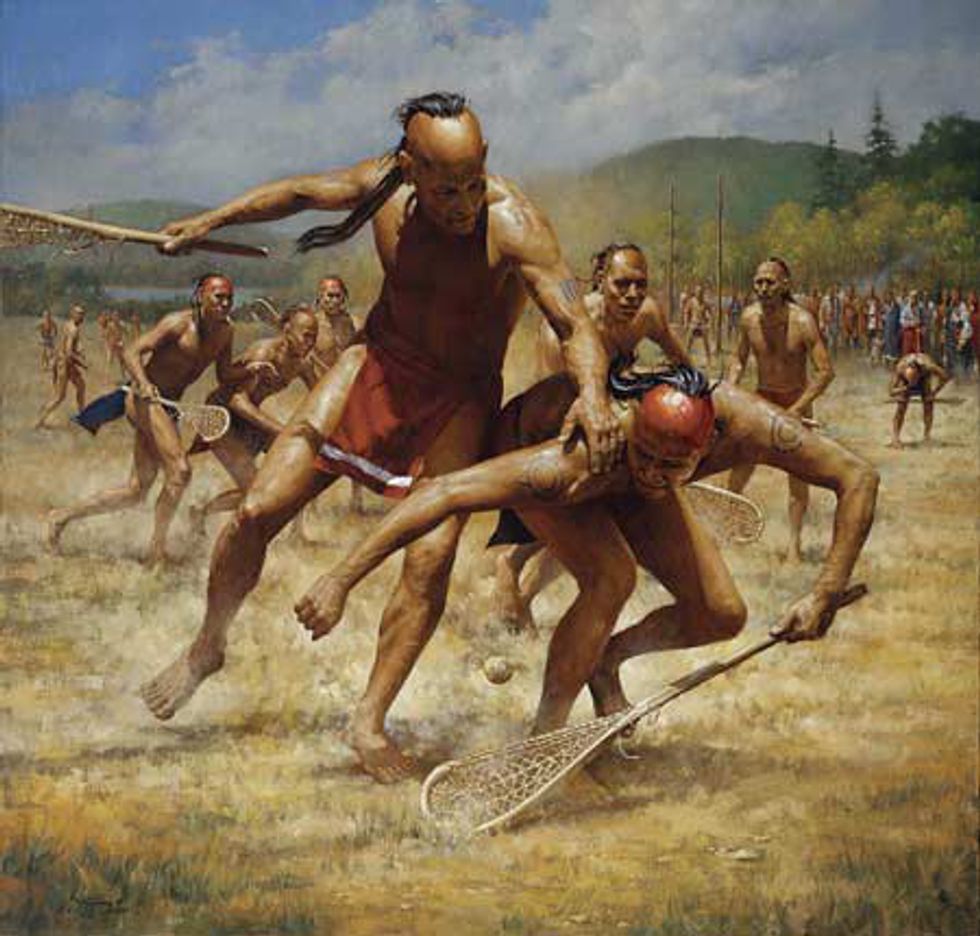
The spiritual dimension of lacrosse was paramount. Before a game, players would engage in elaborate rituals, fasting, chanting, and purification ceremonies. Shamans and spiritual leaders played a critical role, offering prayers to the Creator for success, good health, and fair play. The game was seen as a gift from the Creator, a way to honor the spirits and maintain balance in the world. As Haudenosaunee (Iroquois) tradition holds, playing Tewaaraton is a form of prayer, a spiritual offering.
Closely related to lacrosse are the various forms of stickball played by Southeastern tribes like the Cherokee, Choctaw, and Muscogee (Creek). These games, often more physically brutal, involved two sticks (one for each hand) to catch and throw a small ball. Players wore minimal clothing and often no protective gear, leading to a high degree of physical contact and injury. Like lacrosse, stickball was a powerful spiritual and social event, often accompanied by elaborate pre-game ceremonies and significant gambling.
Chunkey: A Game of Skill, Chance, and High Stakes
Another fascinating and historically significant game was Chunkey, primarily associated with the Mississippian cultures that flourished across the American Midwest and Southeast between 800 and 1600 AD. The game involved rolling a disc-shaped stone (the "chunkey stone") across a smooth field, while players threw spears or darts at the point where they believed the stone would stop. The object was to land the spear closest to the stone.
Chunkey was more than just a game of skill; it was a potent social and economic force. Stakes were incredibly high, with players betting not just possessions but often their homes, land, and even their wives or children on the outcome. Accounts from early European observers describe the intense gambling and emotional investment surrounding these contests. The chunkey stones themselves were highly polished, finely crafted artifacts, suggesting their immense cultural value. Archaeological finds at sites like Cahokia, a major Mississippian city in present-day Illinois, include numerous chunkey stones and specially prepared playing fields, underscoring the game’s central role in these complex societies.
Endurance, Archery, and Games of Chance
Beyond these prominent examples, a vast array of other games and sports enriched Native American life. Running and endurance contests were vital, reflecting the practical needs of hunting, communication, and warfare. Tribes like the Apache, Navajo, and various Pueblo peoples were renowned for their long-distance runners, who could cover vast distances carrying messages or hunting game. The Tarahumara (Rarámuri) people of Mexico, known for their incredible ultra-marathon running abilities, continue this ancient tradition today, often playing a form of kickball over hundreds of miles.
Archery was a fundamental skill for survival, and archery contests were common, honing precision and focus. Wrestling, hand-to-hand combat, and various forms of martial arts were also practiced, serving both as entertainment and as training for conflict.
Games of chance were pervasive, ranging from intricate dice games using bone, plum pits, or carved wood, to guessing games that tested mental agility and observation. These games often involved significant betting, serving as a means of redistributing wealth and reinforcing social bonds. The "snowsnake" game, popular among tribes of the Great Lakes region like the Ojibwe and Iroquois, involved throwing a long, polished wooden "snake" across a snowy surface, aiming for distance and accuracy. This required immense skill in carving and throwing, and was a cherished winter tradition.
The Spiritual and Social Fabric
The underlying purposes of these games were multifaceted:
- Spiritual Connection: Many games were seen as direct communication with the spirit world, offerings to the Creator, or ways to heal the sick.
- Physical Training: They developed strength, agility, endurance, and coordination, essential for hunting, gathering, and warfare.
- Social Cohesion: Games brought communities together, fostered cooperation and competition, and reinforced tribal identity. They often served as festivals, accompanied by feasts, dances, and ceremonies.
- Conflict Resolution: As seen with lacrosse, games provided a structured, ritualized alternative to open warfare, allowing grievances to be aired and settled.
- Education and Rites of Passage: Children learned crucial life skills through play, mimicking adult activities. Games also served as tests of maturity and courage for young men and women.
- Economic Exchange: Gambling, a prevalent aspect of many games, facilitated the redistribution of goods and wealth within and between communities.
European Contact and Cultural Resilience
The arrival of European colonists brought immense disruption to Native American societies, and their traditional games were not immune. Disease, warfare, forced relocation, and the imposition of foreign cultural and religious practices led to the decline or suppression of many traditional sports. Missionaries often viewed these games, especially those with spiritual or gambling components, as "pagan" and actively discouraged them. The economic and social structures that supported elaborate sporting events were dismantled.
Despite these challenges, many games persisted, often in adapted forms or in secret. The resilience of Native American cultures meant that the spirit of competition, community, and spiritual connection through play could not be entirely extinguished.
A Modern Revival: Reclaiming Identity and Heritage
In recent decades, there has been a powerful resurgence of interest and participation in traditional Native American games and sports. This revival is not merely about preserving historical artifacts; it is a vital act of cultural reclamation, a way for contemporary Native peoples to reconnect with their heritage, strengthen community bonds, and assert their identity.
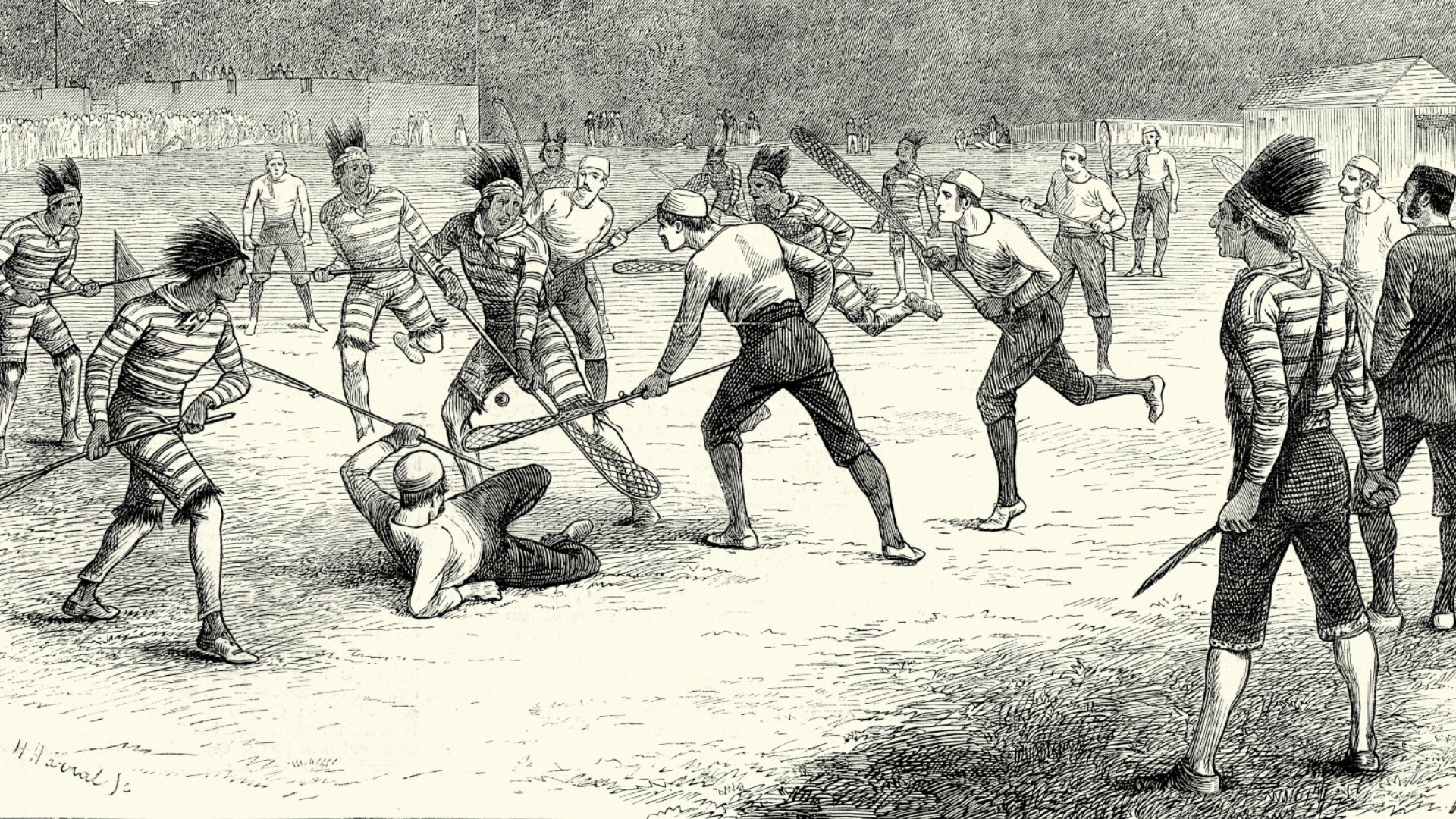
Lacrosse, in particular, has seen a remarkable resurgence. The Haudenosaunee Nationals men’s and women’s lacrosse teams are a powerful example. Representing the Iroquois Confederacy, they compete on the international stage, often traveling on Haudenosaunee passports, asserting their sovereignty and cultural distinctiveness. Their participation is not just about winning medals; it’s about honoring their ancestors and carrying forward a sacred tradition. As Randy Staats, a Mohawk lacrosse player, once said, "Playing our game is a prayer."
Other traditional games are also being revitalized. Stickball leagues thrive in Southeastern communities. Snowsnake competitions bring people together in winter. Tribal schools and cultural centers are teaching children the games of their ancestors, ensuring that the knowledge and spirit of these activities are passed to future generations.
The history of Native American games and sports is a testament to the ingenuity, resilience, and profound spiritual depth of Indigenous peoples. These activities were never just about winning or losing; they were about living, learning, healing, and connecting with the seen and unseen worlds. As these ancient traditions find new life in the modern era, they continue to offer valuable lessons about community, balance, and the enduring power of human spirit. The sacred fields, once dormant, are alive again, echoing with the cheers, prayers, and powerful legacy of the ancestors.


