
Woven Identities: The Enduring Artistry and Deep Meaning of Traditional Native American Clothing and Adornment
More than mere covering, traditional Native American clothing and adornment stand as intricate tapestries woven from the land, spirit, and community. Far from a monolithic style, the vast array of Indigenous cultures across North America developed distinct forms of dress, each reflecting unique environments, spiritual beliefs, social structures, and aesthetic sensibilities. These garments and embellishments were not just fashion; they were living histories, visual narratives of identity, status, achievement, and profound connection to the natural world.
To speak of "Native American clothing" is to embark on a journey across an entire continent, spanning millennia of innovation and cultural expression. With over 574 federally recognized tribes in the U.S. alone, and countless more historical groups, the diversity is immense. From the harsh, arid deserts of the Southwest to the lush, temperate rainforests of the Pacific Northwest, and from the expansive grasslands of the Plains to the dense forests of the Northeast, each environment provided specific materials and inspired unique designs.
Materials of the Earth: Ingenuity and Craftsmanship
At the heart of traditional Indigenous dress lay an unparalleled understanding and utilization of natural resources. Animal hides, primarily from deer, elk, and buffalo, formed the foundational material for many groups. The process of transforming raw hide into soft, pliable leather was an art in itself, often involving brain-tanning – a meticulous method using animal brains, smoke, and extensive working to achieve a durable yet supple texture. This technique, passed down through generations, rendered leather that was surprisingly soft, water-resistant, and breathable, perfectly suited for survival and comfort.
Beyond hides, a rich palette of plant fibers was employed. In the Pacific Northwest, intricate cloaks and hats were woven from cedar bark, providing waterproof protection against the persistent rain. The Ancestral Puebloans and other Southwestern peoples utilized yucca and cotton to weave textiles, often dyed with natural pigments extracted from plants and minerals. For the Plains tribes, buffalo wool and other furs provided warmth for winter robes. Sinew, meticulously separated from animal tendons, served as thread, strong and enduring, connecting pieces of hide and attaching decorative elements.
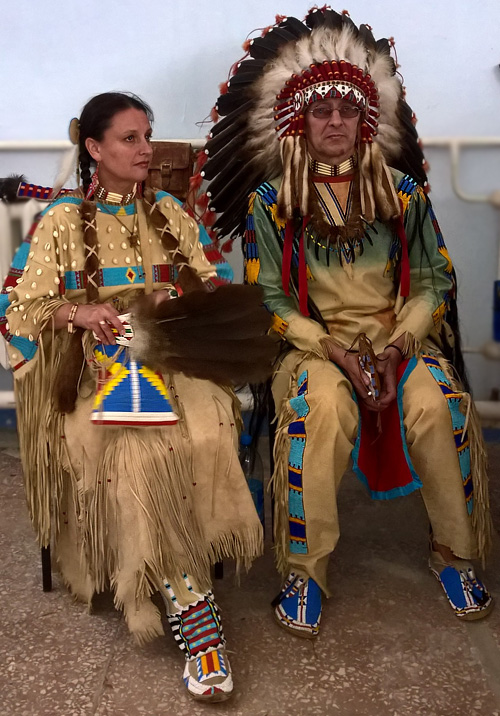
Garments of Purpose and Place
While generalizations are challenging, certain garment types were widespread, albeit with distinct regional variations:
- Moccasins: Perhaps the most universally recognized item, moccasins were soft-soled shoes crafted from a single piece of hide, or sometimes a hard sole with soft uppers. Their design varied greatly – Plains moccasins often featured rawhide soles for durability on rough terrain, while Woodland styles were typically soft-soled for silent movement through forests. They were frequently adorned with quillwork or beadwork, signifying tribal affiliation or personal achievements.
- Leggings and Breechcloths: Men across many cultures wore leggings, often made of deerskin, providing protection from brush and cold. A breechcloth, a long strip of hide or cloth passed between the legs and tucked over a belt front and back, completed the lower garment. These too were often decorated, serving as canvases for personal expression.
- Dresses and Skirts: Women’s attire varied from simple wraparound skirts made of woven fibers in warmer climates to elaborate hide dresses. Plains women’s dresses, often made from two or three deerskins, were adorned with fringes, porcupine quills, elks teeth, or later, glass beads, indicating status and beauty. The weight and richness of a dress could speak volumes about a woman’s family and skill.
- Robes and Capes: Buffalo robes, particularly among Plains tribes, were essential for warmth and highly valued. Often painted with historical narratives, spiritual symbols, or personal exploits, these robes were not just clothing but visual records of a wearer’s life and the community’s history. Capes woven from cedar bark, or made from animal skins like bear or otter, provided additional warmth and protection.
The Language of Adornment: Beyond Beauty

Adornment was never merely decorative; it was a profound language, communicating identity, status, spirituality, and personal history.
- Beadwork and Quillwork: Before the advent of European glass beads, porcupine quills were the primary medium for intricate surface decoration. Quills were painstakingly sorted, flattened, dyed with natural pigments, and then sewn or wrapped onto hide or cloth to create stunning geometric or pictorial designs. This ancient art form, requiring immense patience and skill, predated glass beads by millennia. When glass beads arrived through trade, they were not simply adopted but "indigenized," incorporated into existing design vocabularies and spiritual frameworks, leading to a new explosion of artistic expression. A Sioux elder once remarked, "Every bead tells a story, every pattern a prayer."
- Feathers: Few elements of adornment carry as much weight and symbolism as feathers, particularly those of eagles. Eagle feathers, sacred and powerful, were almost exclusively worn by men and were earned through acts of bravery, leadership, or spiritual insight. Each feather often represented a specific achievement or honor, creating a visual resume of a warrior or leader’s life. Other bird feathers, like hawk, owl, or crow, also held specific meanings and were used in various contexts.
- Jewelry: Materials like turquoise, shell, copper, and bone were fashioned into necklaces, earrings, bracelets, and hair ornaments. In the Southwest, the Diné (Navajo) and Pueblo peoples developed a distinctive silversmithing tradition, learning techniques from Spanish colonists but evolving them into uniquely Indigenous styles, often featuring turquoise, a stone revered for its spiritual significance and connection to the sky and water. Dentalium shells, harvested from the Pacific Ocean, were highly valued and used as currency and adornment by Pacific Northwest and California tribes. Wampum, made from quahog and whelk shells by Northeastern tribes, was not merely decorative but served as a mnemonic device, a form of currency, and a record for treaties and historical events.
- Body and Face Paint: Often made from natural pigments like ochre, charcoal, and clays, body and face paint served multiple purposes. It could be for ceremony, war, mourning, or daily beautification. Specific colors and patterns carried deep meaning, indicating tribal affiliation, spiritual protection, or readiness for a specific event. A red handprint on the face, for instance, could signify a warrior who had counted coup (touched an enemy in battle).
- Hairstyles: Hair itself was often considered sacred and styled in ways that conveyed information about a person’s age, marital status, or tribal identity. Braids were common, sometimes wrapped with fur or adorned with beads. Hair pipes, long slender beads made from bone or shell, were often woven into braids or used in elaborate breastplates.
The Impact of Contact and the Spirit of Resilience
The arrival of European colonists brought profound changes. New materials like wool, cotton cloth, glass beads, and metal goods were introduced through trade. While some of these materials were eagerly adopted and integrated into existing artistic traditions, the overall impact of colonization was devastating. Forced displacement, disease, and policies aimed at assimilation, such as the infamous boarding school system, actively suppressed traditional cultural practices, including dress. Children were stripped of their traditional clothing, had their hair cut, and were forbidden to speak their native languages or practice their customs.
Yet, despite these immense pressures, the spirit of Indigenous artistry and cultural identity persevered. Communities adapted, often incorporating new materials while retaining the underlying meanings and designs. The "Indian Blanket" – often a trade blanket made of wool – became a new canvas for traditional patterns and served ceremonial purposes, demonstrating the incredible adaptability and resilience of Indigenous cultures.
A Living Legacy: Reclaiming and Renewing
Today, traditional Native American clothing and adornment are experiencing a vibrant revival. Powwows, cultural festivals, and community gatherings are powerful spaces where traditional regalia is proudly worn, showcasing the continuity of these ancient art forms. Indigenous artists and designers are re-learning ancestral techniques, from brain-tanning to quillwork, ensuring that these skills are passed to new generations. They are also innovating, blending traditional aesthetics with contemporary fashion, creating powerful statements of cultural pride and continuity.
The movement to reclaim and revitalize traditional dress is deeply intertwined with broader efforts for cultural sovereignty and self-determination. It is a visible affirmation of identity, a rejection of historical attempts at erasure, and a celebration of the enduring beauty and wisdom embedded in Indigenous ways of life. As one contemporary Indigenous artist noted, "When I put on my regalia, I’m not just wearing clothes; I’m wearing my ancestors’ prayers, their strength, and their stories. It connects me to everything that came before, and everything that will come after."
In every stitch, every bead, every feather, and every painted line, traditional Native American clothing and adornment speak volumes. They are not relics of the past but living expressions of rich, diverse, and resilient cultures, continually weaving new threads into the vibrant tapestry of Indigenous identity. Understanding these traditions offers a profound glimpse into the interconnectedness of art, environment, spirituality, and human experience, urging us to look beyond the surface and appreciate the deep meanings woven into every fiber.


