Echoes of Ancient Wisdom: The Enduring Strength of Traditional Indigenous Governance Structures
In an increasingly complex and interconnected world, the search for sustainable solutions to pressing global challenges—from climate change to social fragmentation—often leads us back to the foundational wisdom of humanity. Among the most profound, yet frequently overlooked, sources of such wisdom are the traditional governance structures of Indigenous peoples worldwide. Far from being primitive or unsophisticated, these systems are intricate tapestries woven from millennia of observation, spiritual connection, and profound understanding of human nature and the natural world. They offer powerful models of participatory democracy, ecological stewardship, and restorative justice that stand in stark contrast to many contemporary governance models, and their resilience in the face of colonial disruption speaks volumes about their inherent strength.
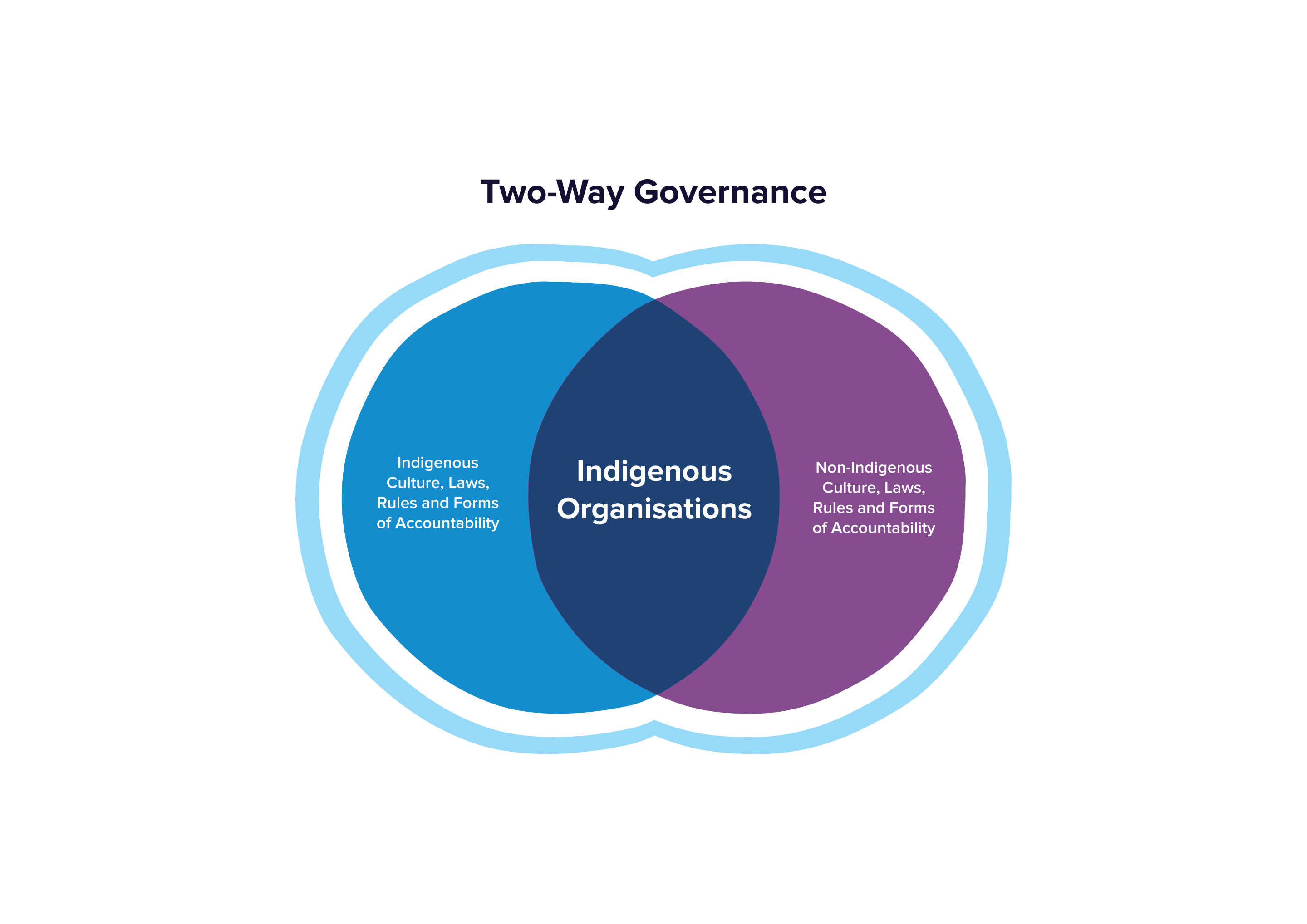
For centuries, Western colonial powers, driven by a self-serving narrative of superiority, often dismissed Indigenous governance as anarchic or rudimentary. They imposed their own hierarchical, centralized, and often exploitative systems, actively suppressing and dismantling the sophisticated mechanisms that had sustained Indigenous communities for generations. Yet, beneath the veneer of colonial administration, these traditional structures endured, adapting and persisting as silent guardians of cultural identity and communal well-being. Today, as Indigenous peoples reclaim their sovereignty and self-determination, the profound wisdom embedded in these ancient forms of governance is re-emerging, offering invaluable lessons for a world grappling with its own existential crises.
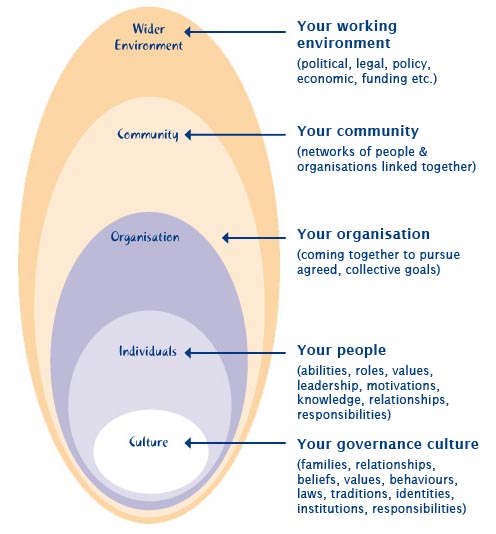
At the heart of most traditional Indigenous governance lies a profound commitment to reciprocity, balance, and intergenerational responsibility. Decisions are rarely made for immediate gain but are carefully weighed against their long-term impact on the seventh generation yet to come. This future-oriented perspective fosters a deep sense of stewardship, where leaders are not seen as rulers but as caretakers of the land, the people, and the collective memory. As Oren Lyons (Joagquisho), Faithkeeper of the Onondaga Nation, famously stated, "We are a part of the Earth, and the Earth is a part of us. We walk in two worlds, but our spirit is in one." This holistic worldview permeates every aspect of governance, ensuring that economic, social, and environmental concerns are inextricably linked.
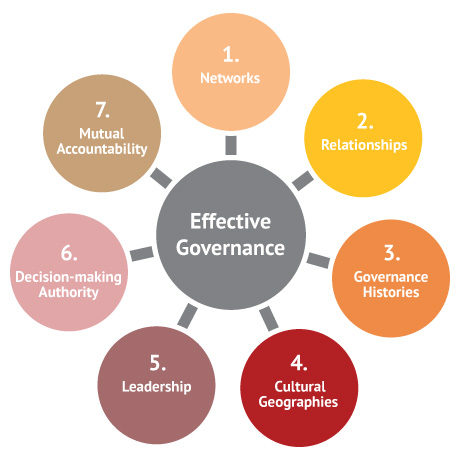
Unlike many Western models that emphasize individual rights and competitive power dynamics, Indigenous governance often prioritizes collective well-being and consensus-building. Authority is typically diffused rather than concentrated, residing not in a single individual but in councils of elders, clan systems, or community assemblies. These forums are designed to facilitate extensive deliberation, ensuring that all voices are heard, and decisions are arrived at through collective understanding and agreement, rather than simple majority rule. This process, though sometimes lengthy, cultivates deep social cohesion and minimizes internal dissent, as every member feels ownership over the eventual outcome.
Elders play a particularly crucial role within these systems. Revered as living libraries of knowledge, history, and customary law, they are the custodians of oral traditions, spiritual teachings, and practical wisdom accumulated over lifetimes. Their counsel is sought on matters ranging from dispute resolution to resource management, and their presence ensures continuity and adherence to ancestral ways. In many Indigenous societies, elders are not merely respected; they are seen as embodying the collective memory and moral compass of the community, guiding younger generations with patience and foresight.
The role of women in traditional Indigenous governance is another striking feature that often distinguishes it from historical Western patriarchal systems. In many societies, women hold significant political, economic, and spiritual authority. The Haudenosaunee (Iroquois) Confederacy, for example, is renowned for its matriarchal structure where Clan Mothers hold immense power. They are responsible for selecting, advising, and, if necessary, deposing the male chiefs (Hoyaneh). It was the Haudenosaunee Clan Mothers who famously inspired early suffragettes like Matilda Joslyn Gage, who observed their political autonomy and equitable societal structure, leading her to champion women’s rights in the nascent American feminist movement. This historical influence underscores the sophistication and progressive nature of Indigenous political thought.
Connection to Land and Territory is perhaps the most defining characteristic of Indigenous governance. For Indigenous peoples, land is not merely a resource or property to be owned; it is a living entity, a sacred relative, and the very foundation of identity, spirituality, and sustenance. Governance structures are intrinsically tied to specific territories, reflecting the unique ecological knowledge and reciprocal relationship with the local environment. Decisions regarding land use, resource extraction, and environmental protection are therefore imbued with profound spiritual significance and an understanding of interconnectedness that often eludes modern industrial societies. The concept of "kinship with the land" mandates responsible stewardship, where human actions are viewed through the lens of ecological balance and the well-being of all living things.
Customary law and justice systems within traditional Indigenous governance also offer compelling alternatives to Western punitive models. Rooted in the principles of restorative justice, these systems focus on healing, reconciliation, and the restoration of harmony within the community, rather than solely on punishment. When harm occurs, the emphasis is on understanding the root causes, repairing relationships, and reintegrating offenders back into the community in a meaningful way. Ceremonies, mediation, and community dialogue are common tools, fostering a sense of collective responsibility for maintaining social order and repairing ruptures. This approach often leads to lower recidivism rates and stronger community bonds than incarceration-focused systems.
The imposition of colonial rule profoundly disrupted these intricate systems. Indigenous leaders were replaced by appointed officials, traditional laws supplanted by foreign legal codes, and communal lands privatized or seized. This systematic undermining led to significant social dislocation, cultural loss, and the erosion of self-governance. Yet, the deep roots of traditional governance proved remarkably resilient. Many communities maintained their customary laws and leadership structures underground, passing knowledge through generations, often at great personal risk.
Today, there is a powerful global movement towards the revitalization and recognition of traditional Indigenous governance. Indigenous nations are asserting their inherent right to self-determination, as enshrined in the United Nations Declaration on the Rights of Indigenous Peoples (UNDRIP), particularly Article 3, which states: "Indigenous peoples have the right to self-determination. By virtue of that right they freely determine their political status and freely pursue their economic, social and cultural development." This resurgence involves strengthening traditional leadership roles, codifying customary laws, revitalizing Indigenous languages, and integrating traditional knowledge into modern decision-making processes.
The lessons offered by traditional Indigenous governance are more pertinent than ever. In a world grappling with climate change, their models of ecological stewardship provide vital pathways to sustainable living. In societies struggling with social fragmentation, their emphasis on consensus, community well-being, and restorative justice offers blueprints for stronger, more equitable relationships. As humanity seeks new paradigms for navigating complex challenges, turning to the enduring wisdom embedded in these ancient structures is not merely an act of historical recognition but a vital step towards a more balanced, resilient, and just future for all. The echoes of ancient wisdom are not just whispers from the past; they are clarion calls for the future.